English
 Español
 عربى
عربى

Product Introduction
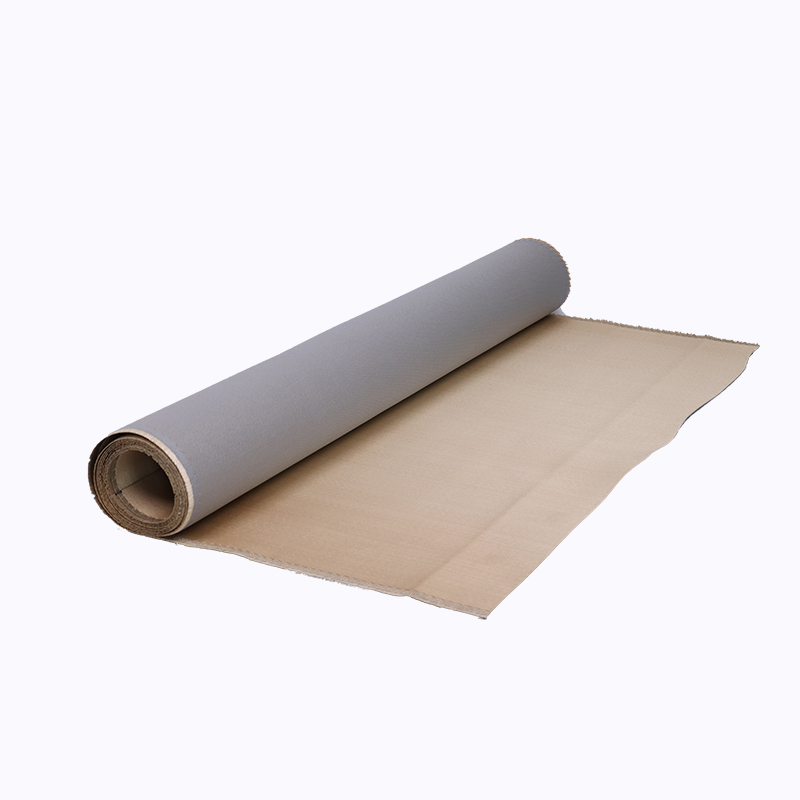
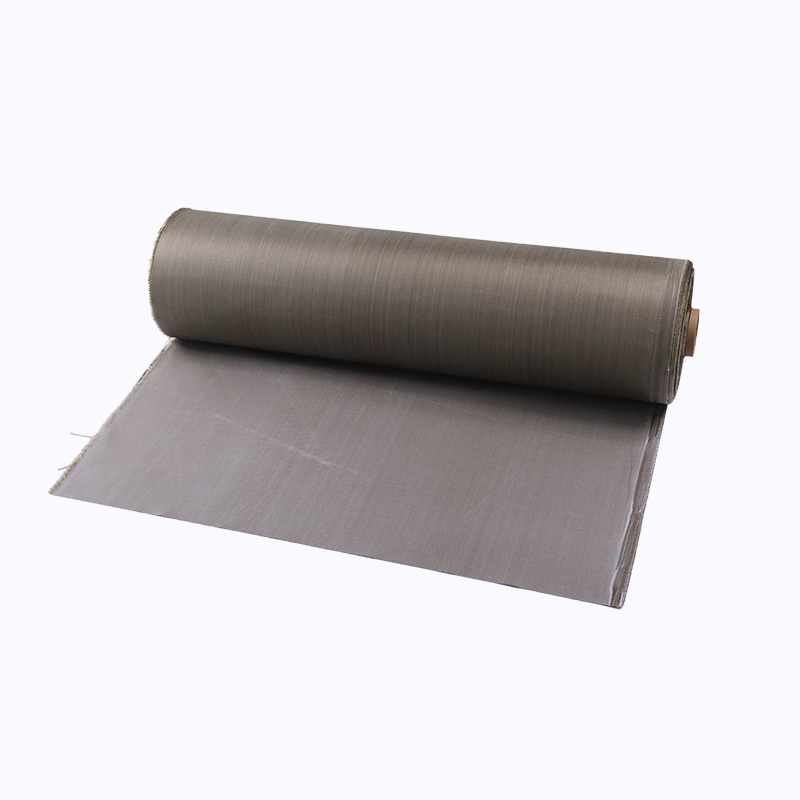
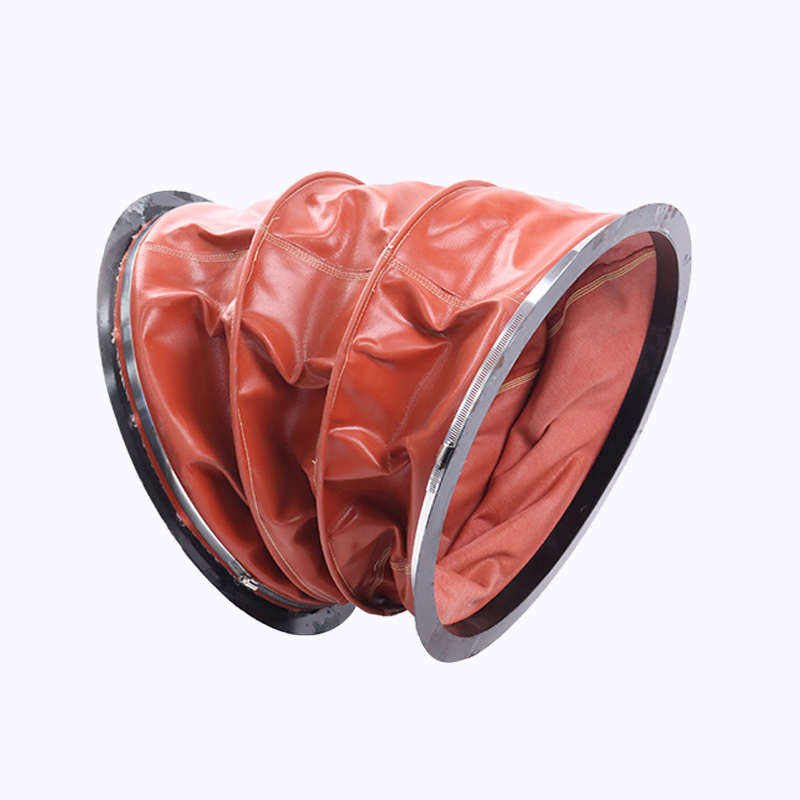
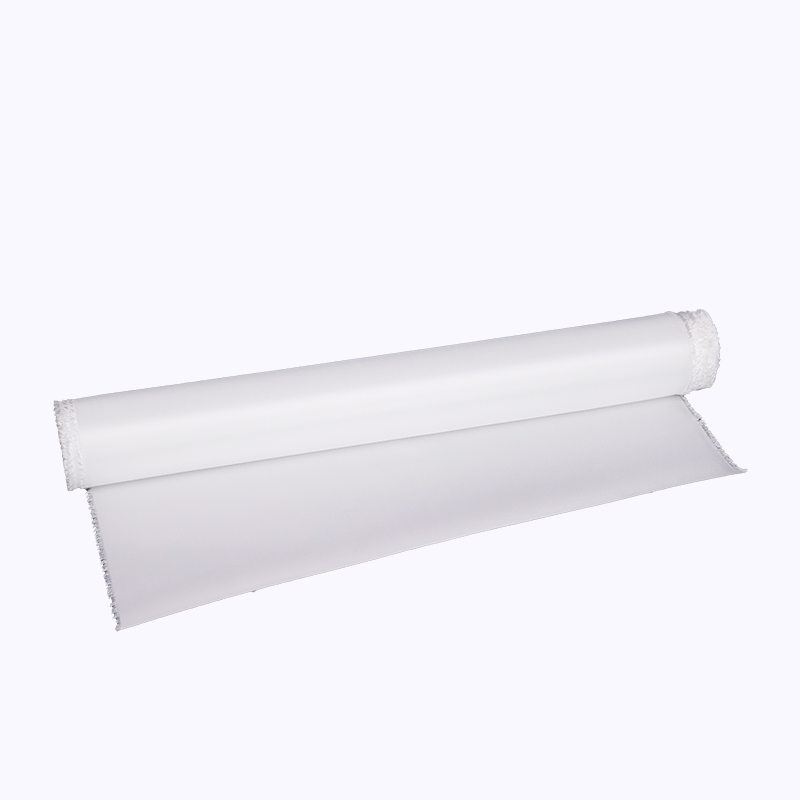
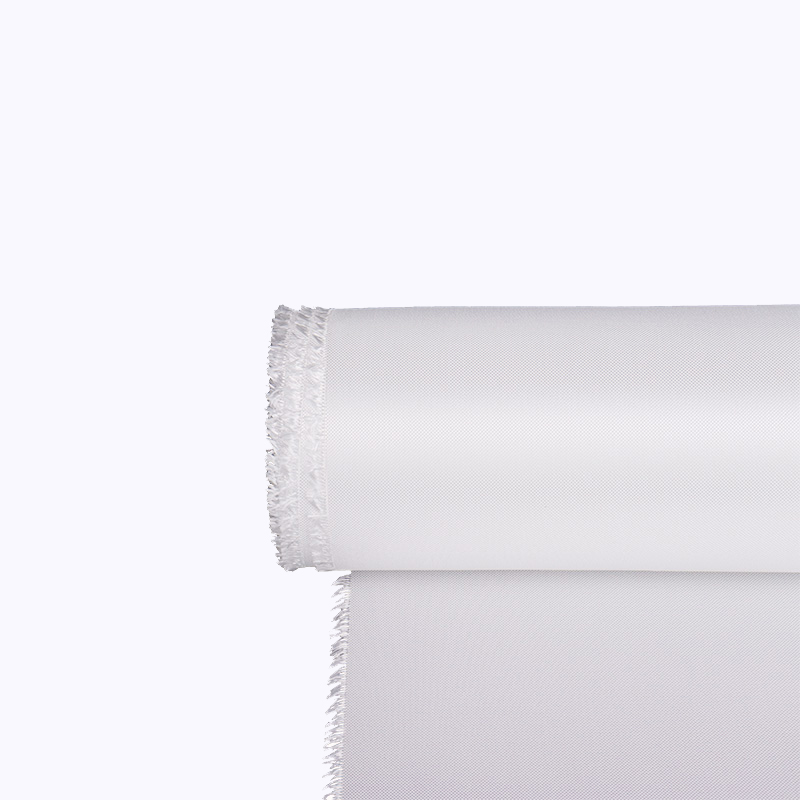
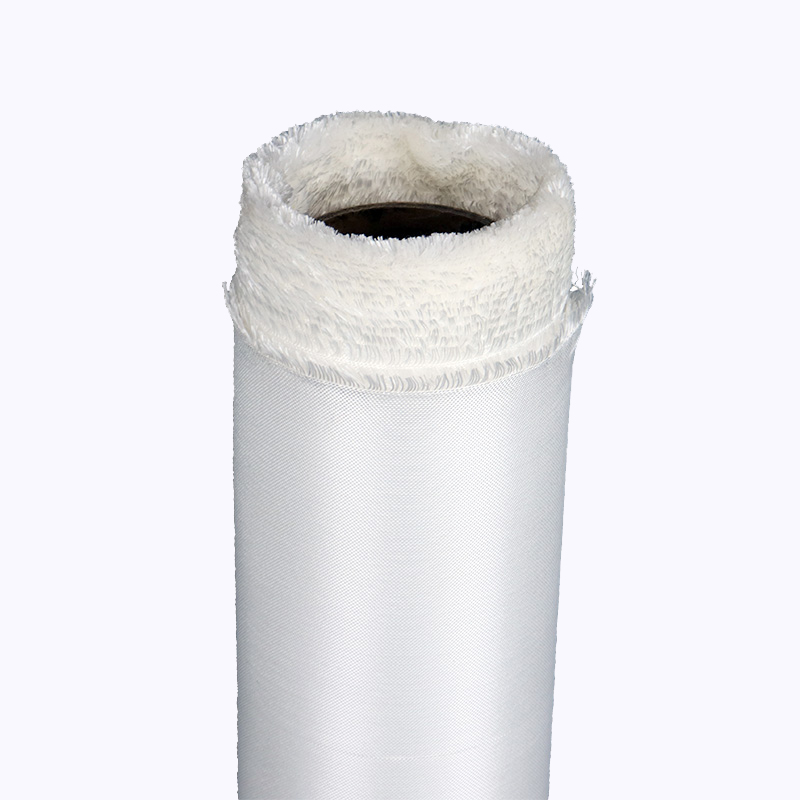
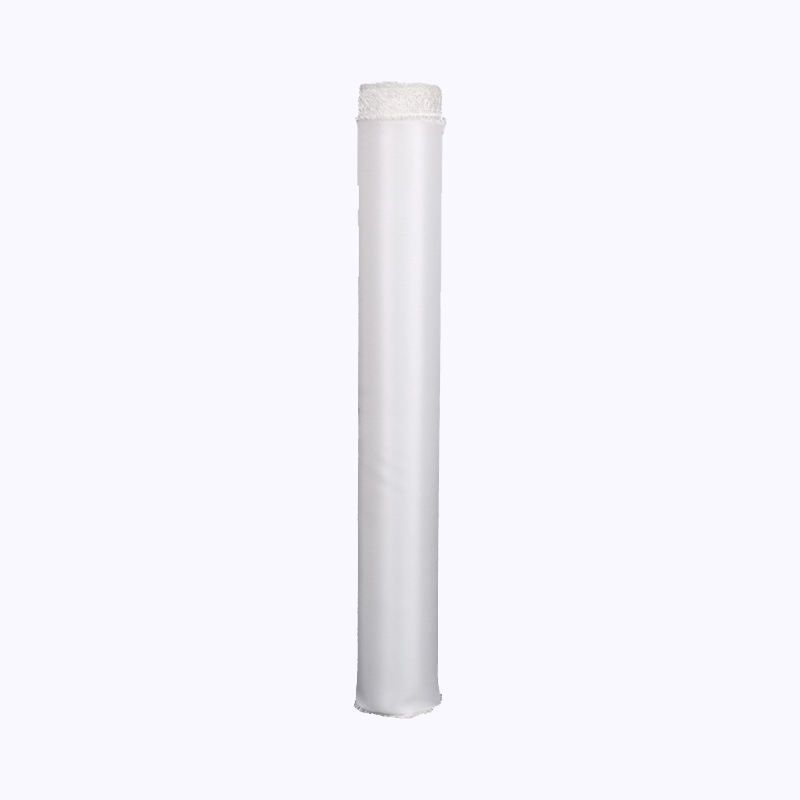
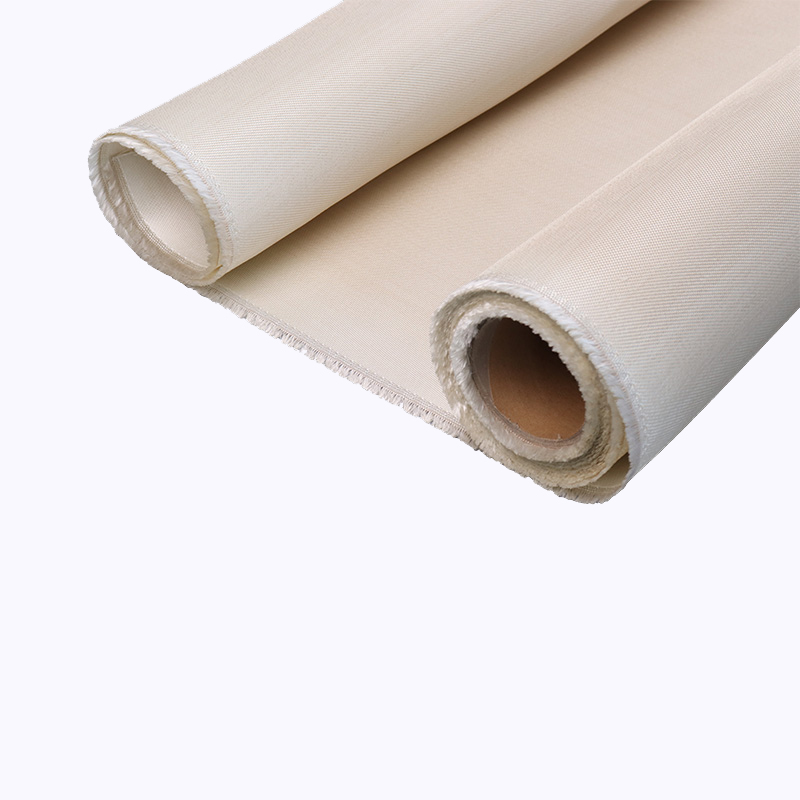
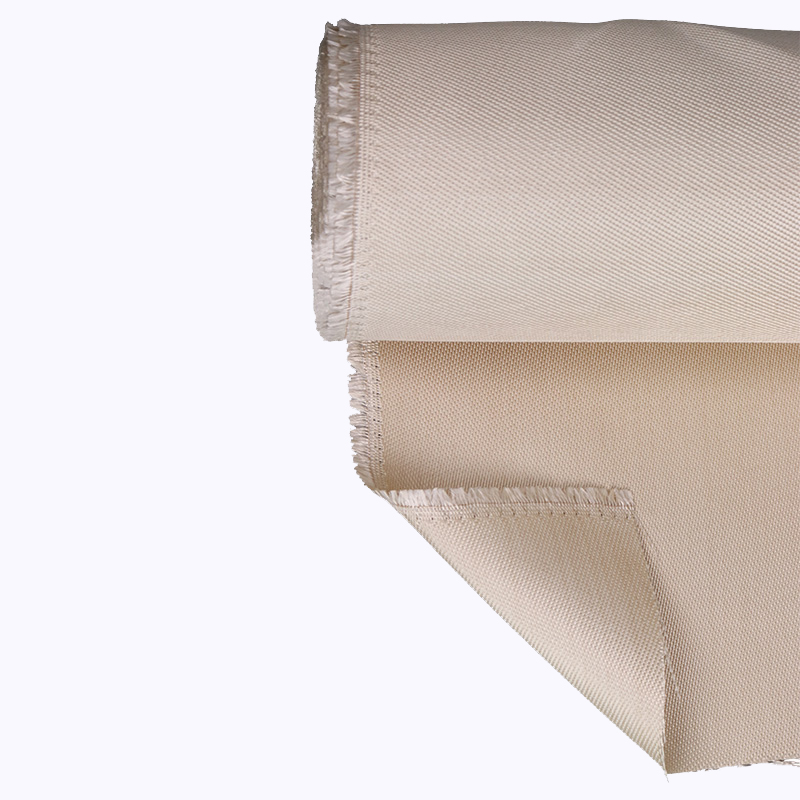
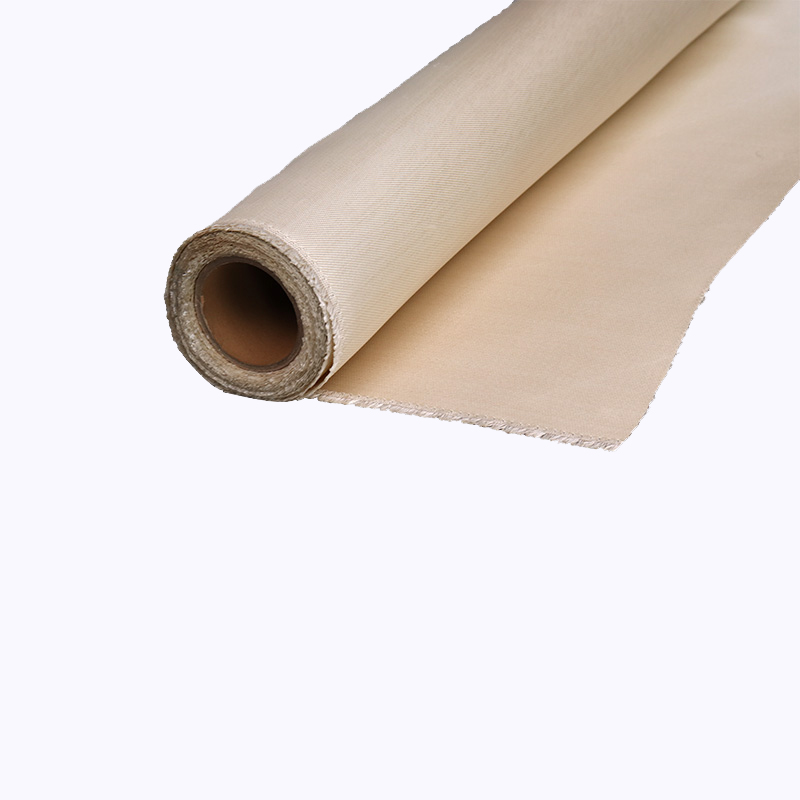
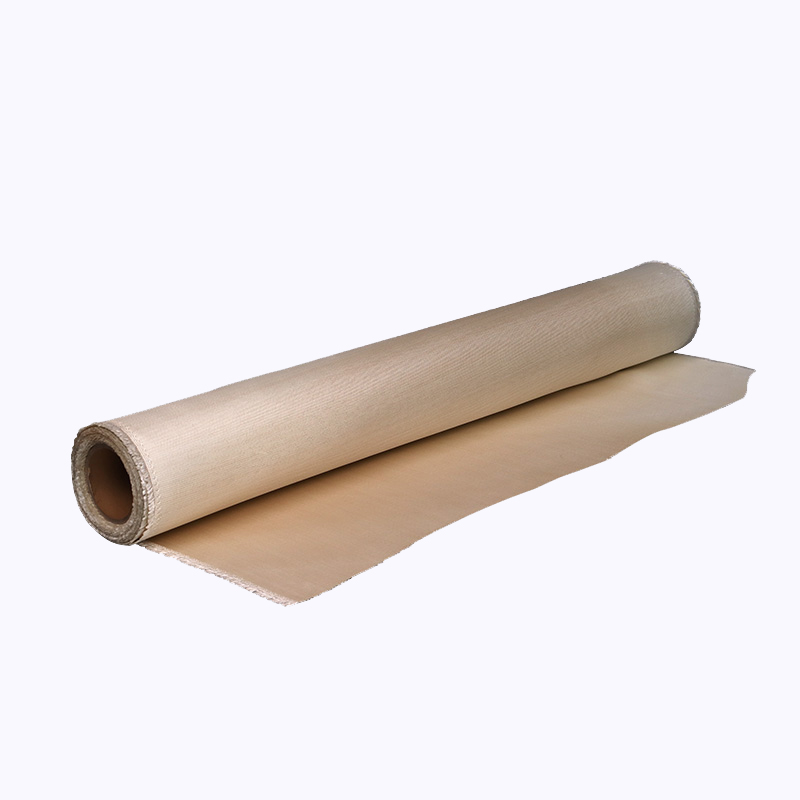
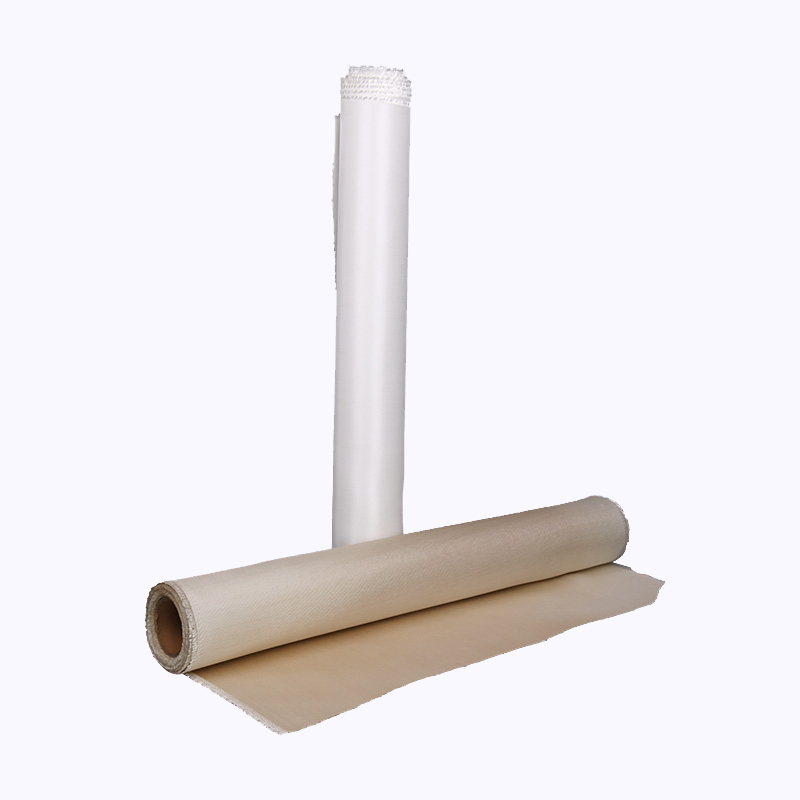
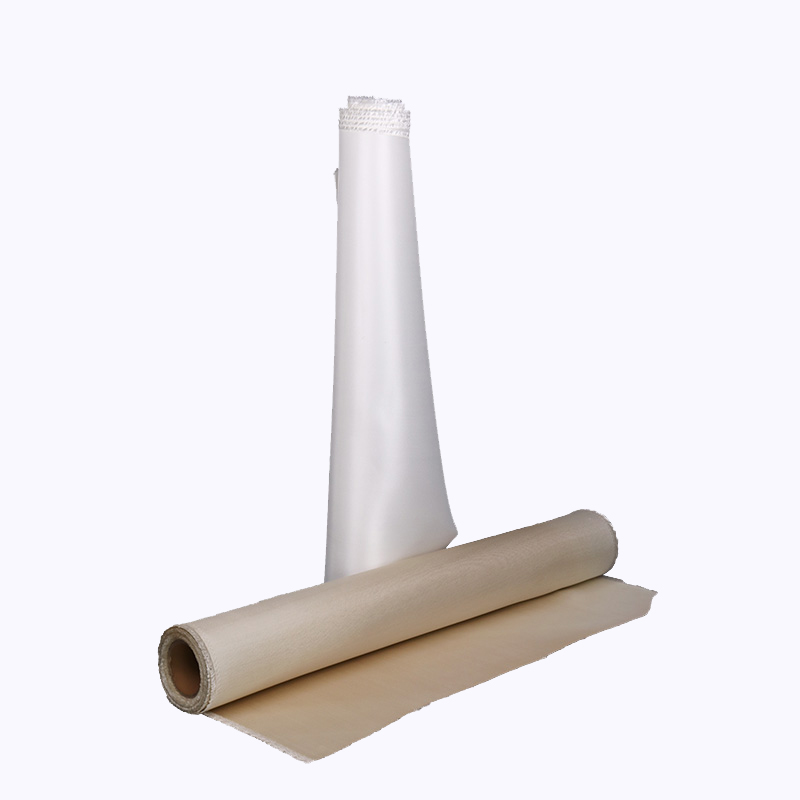
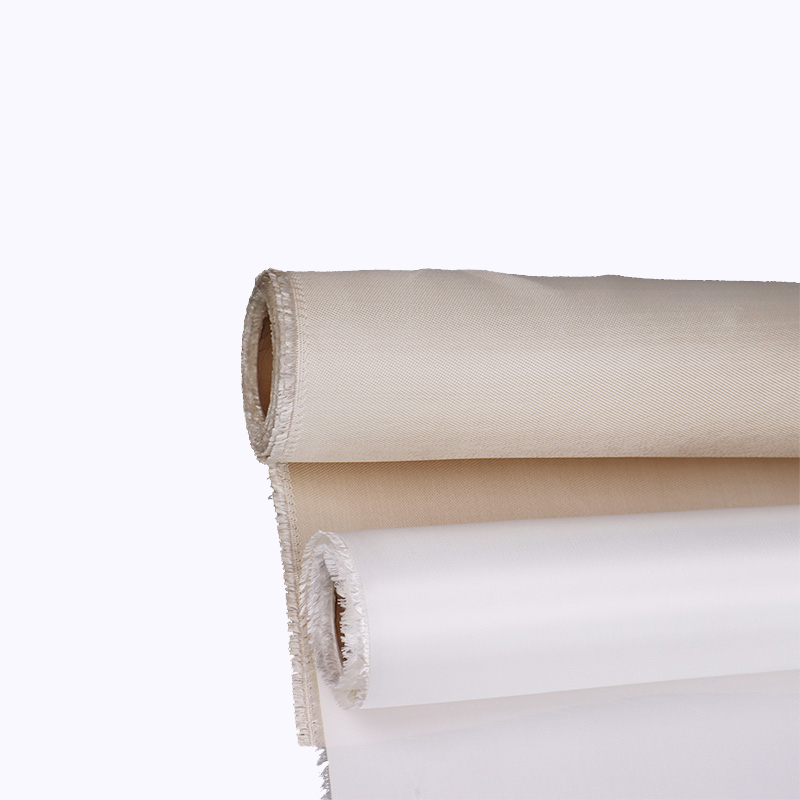
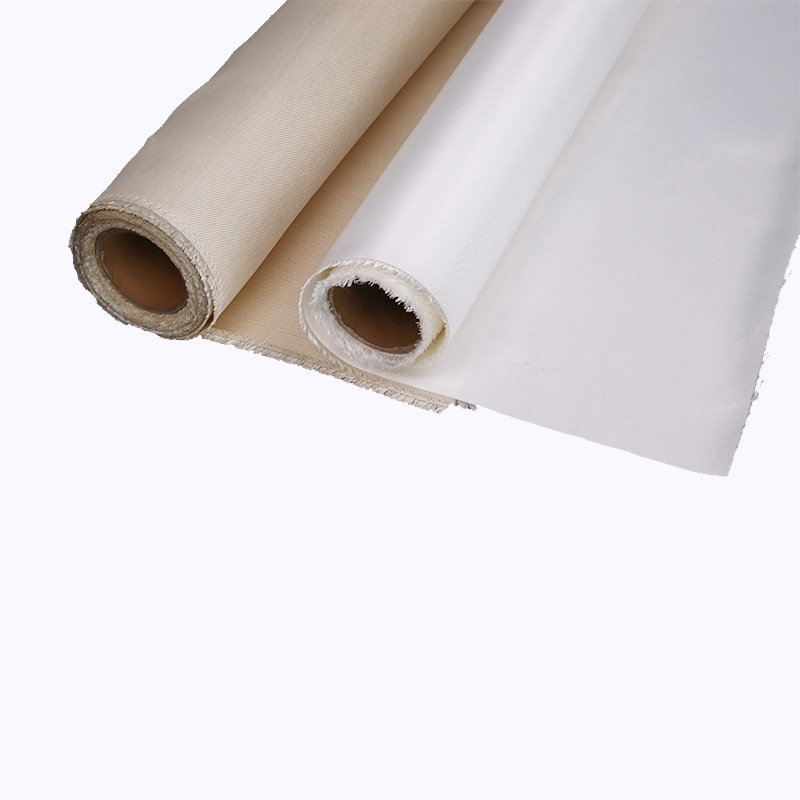
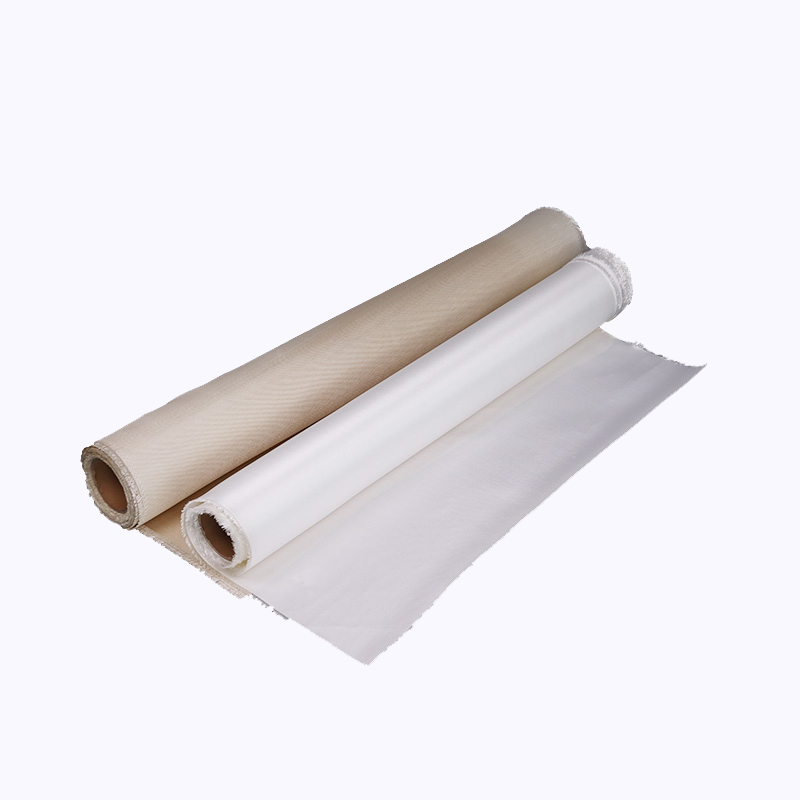
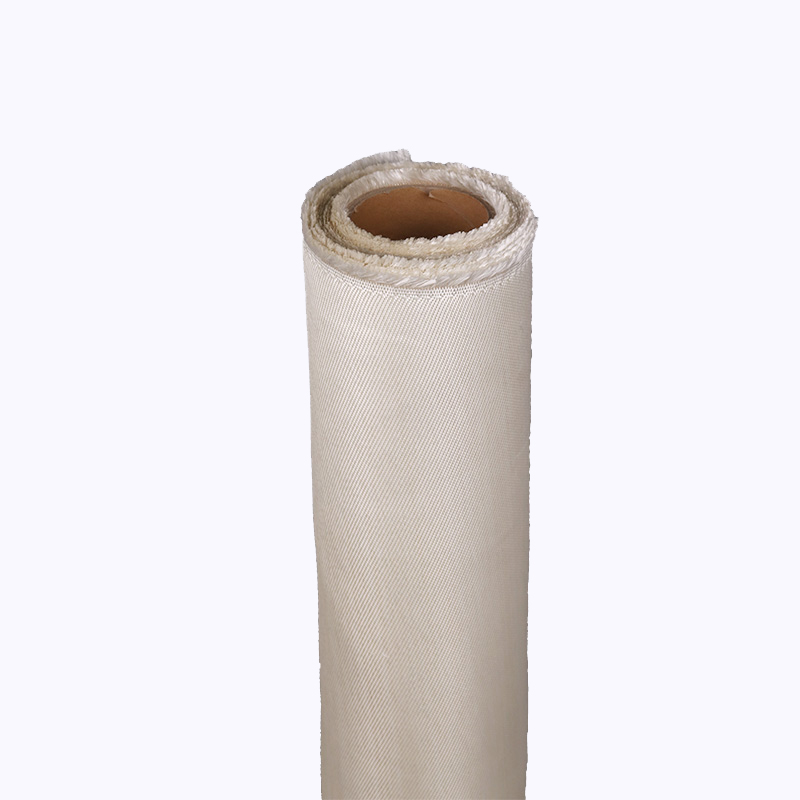
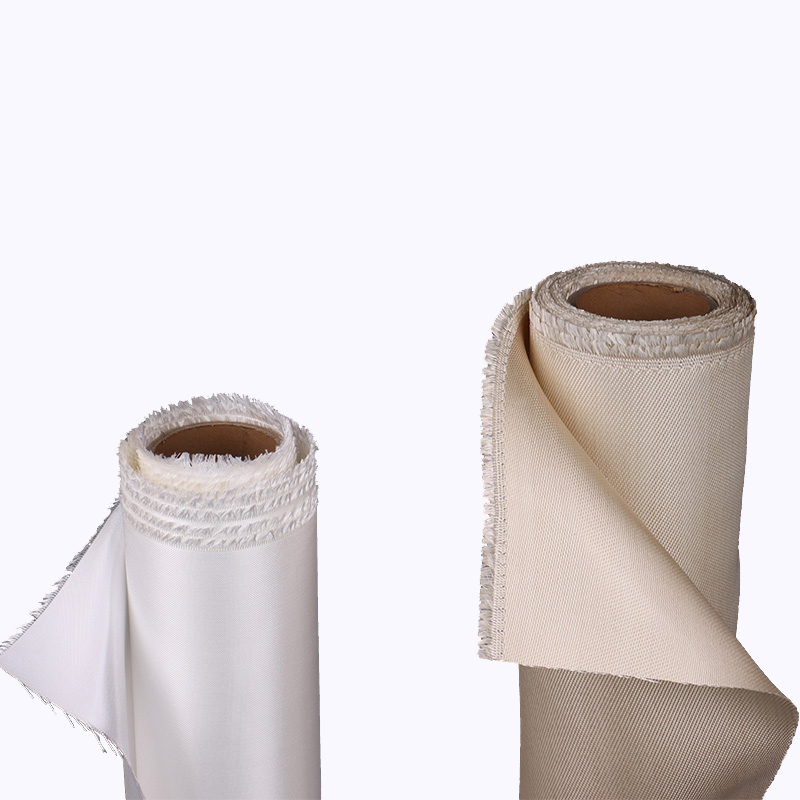
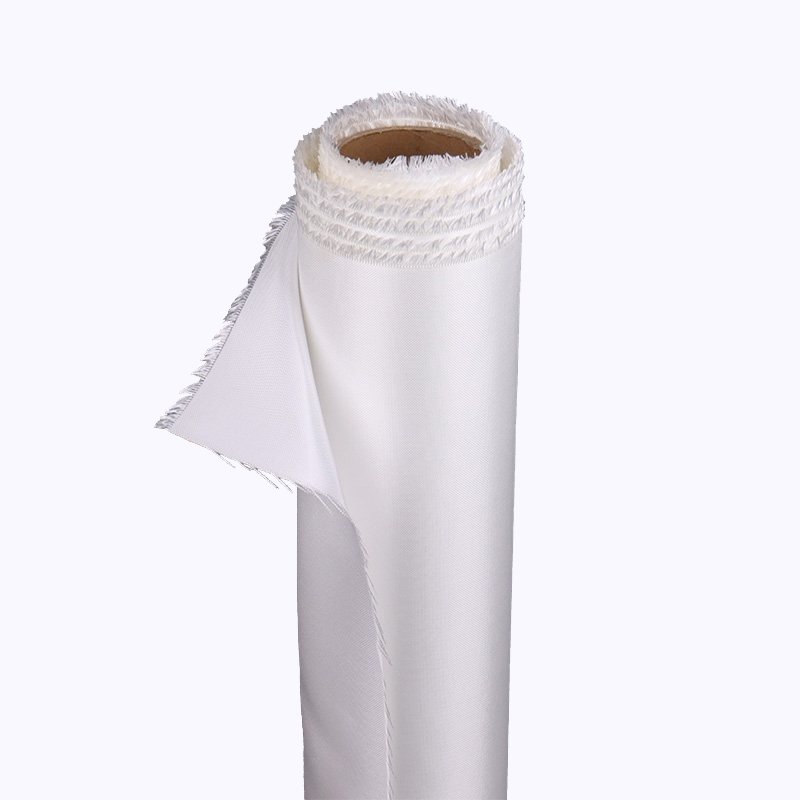
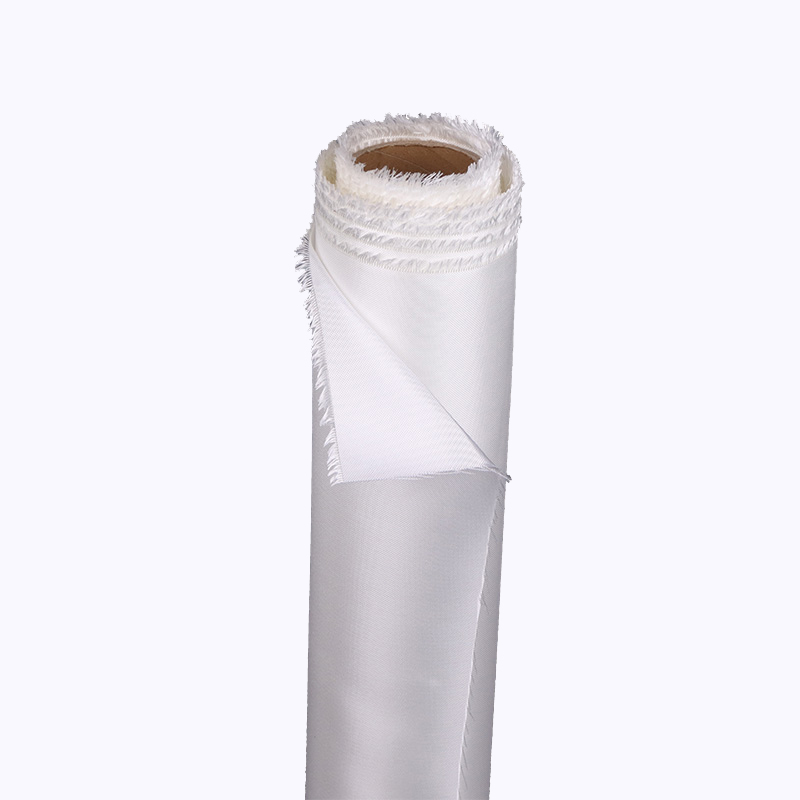
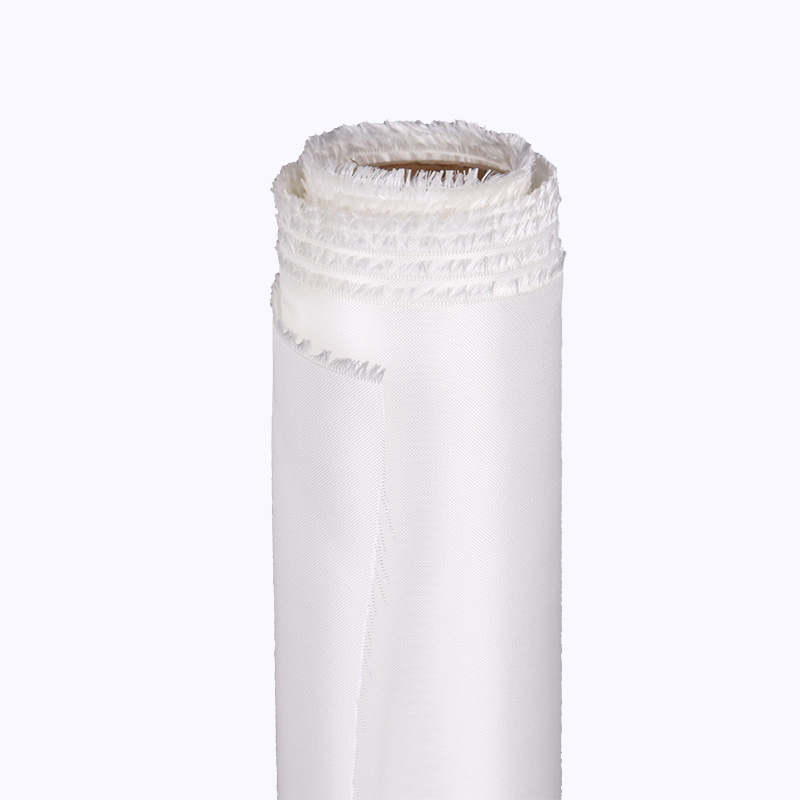
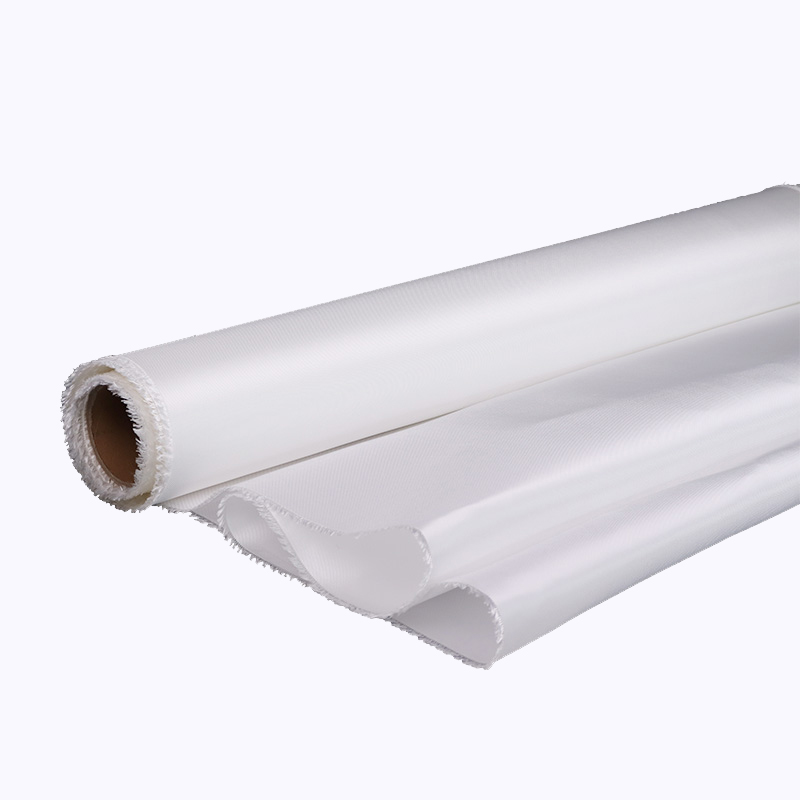
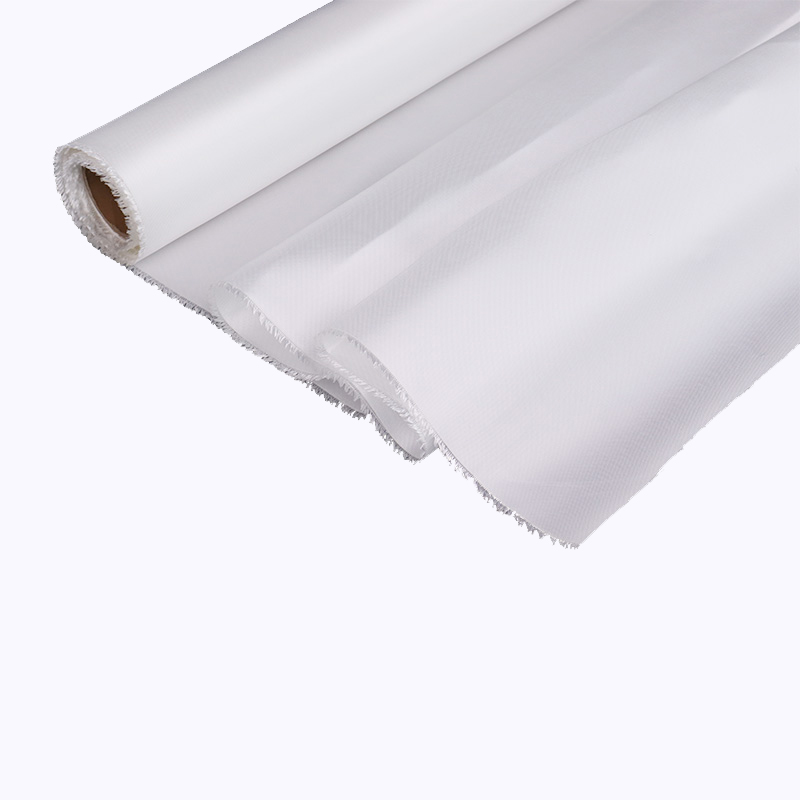
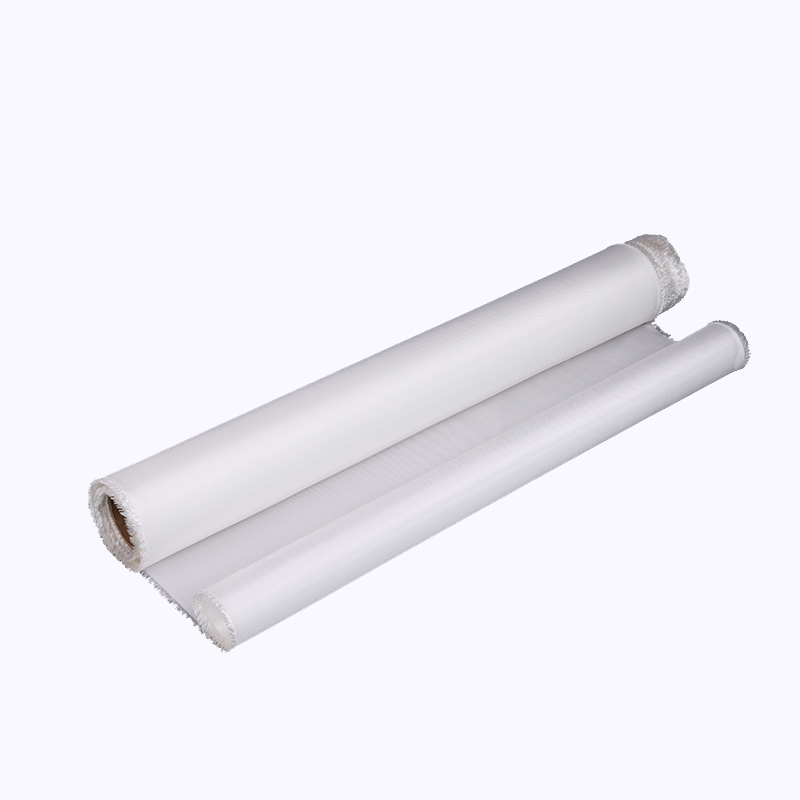
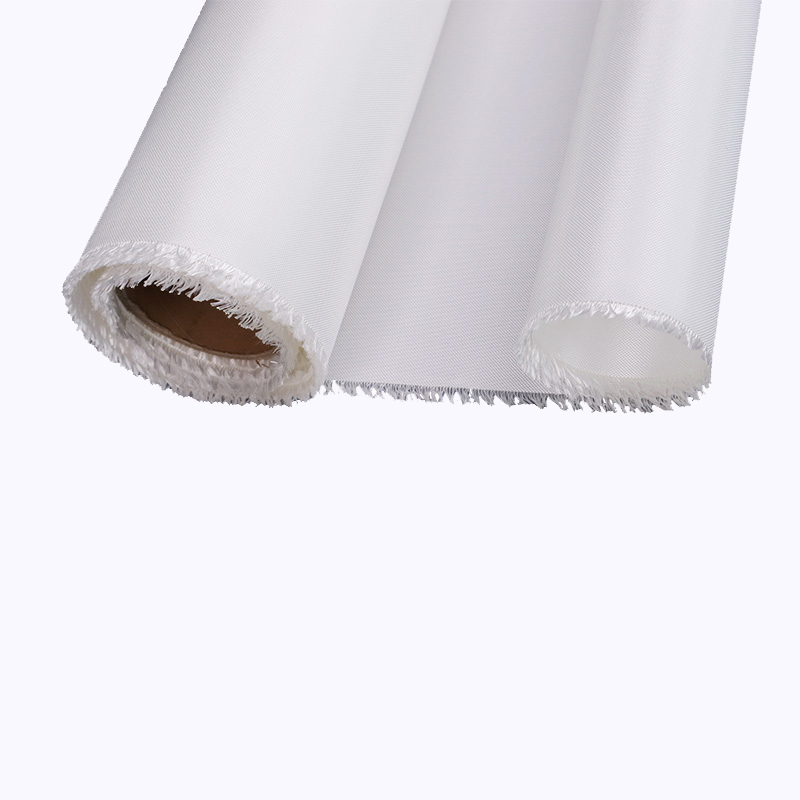
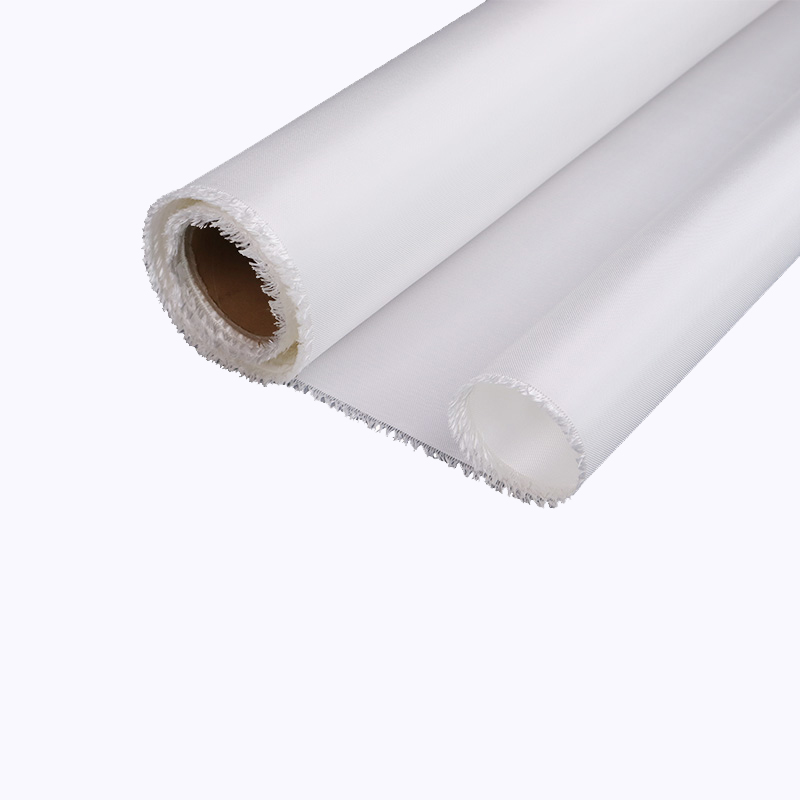
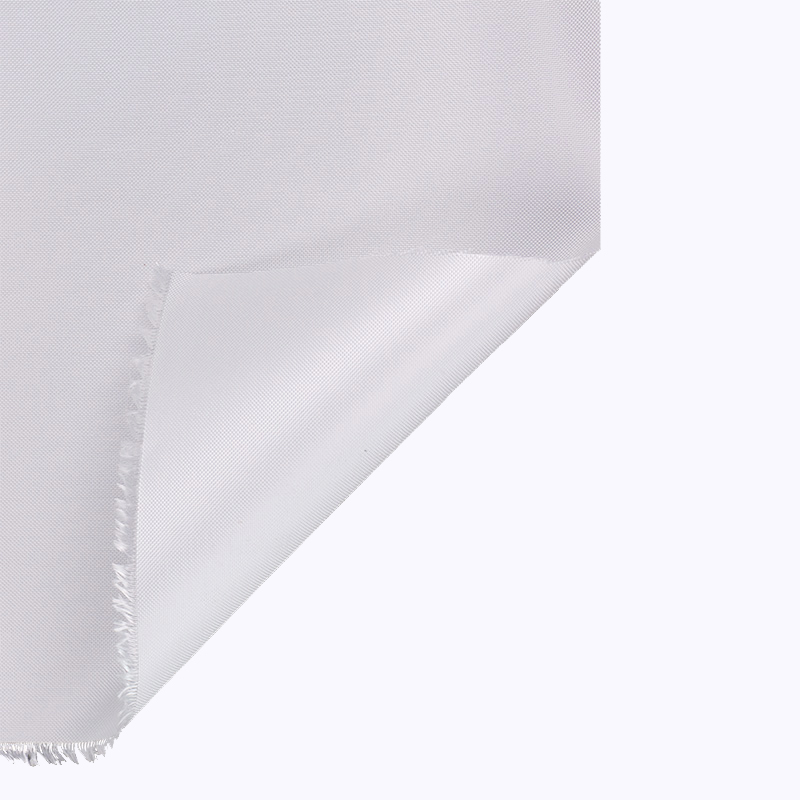
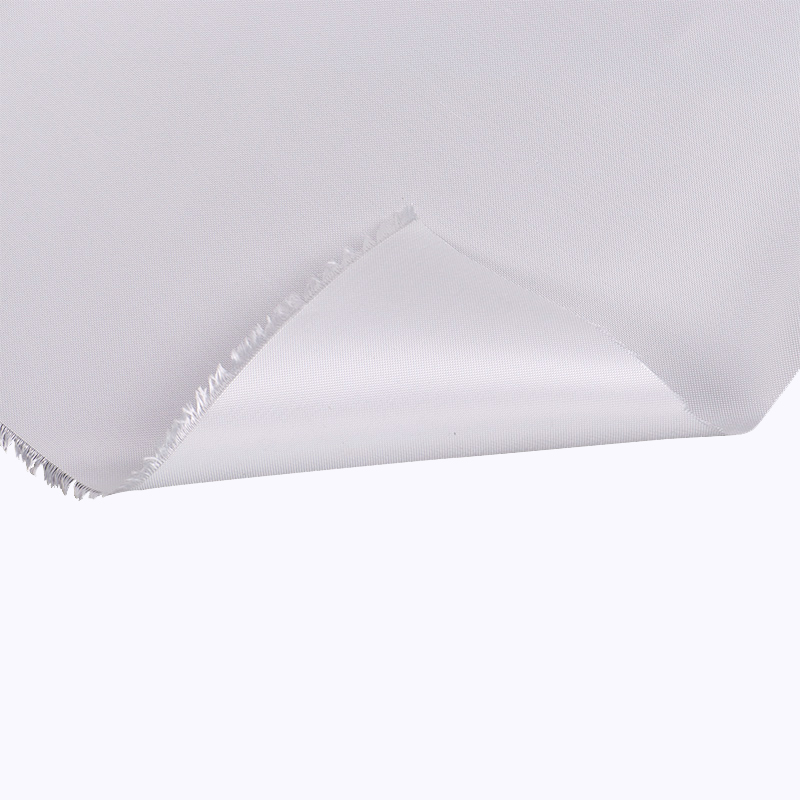
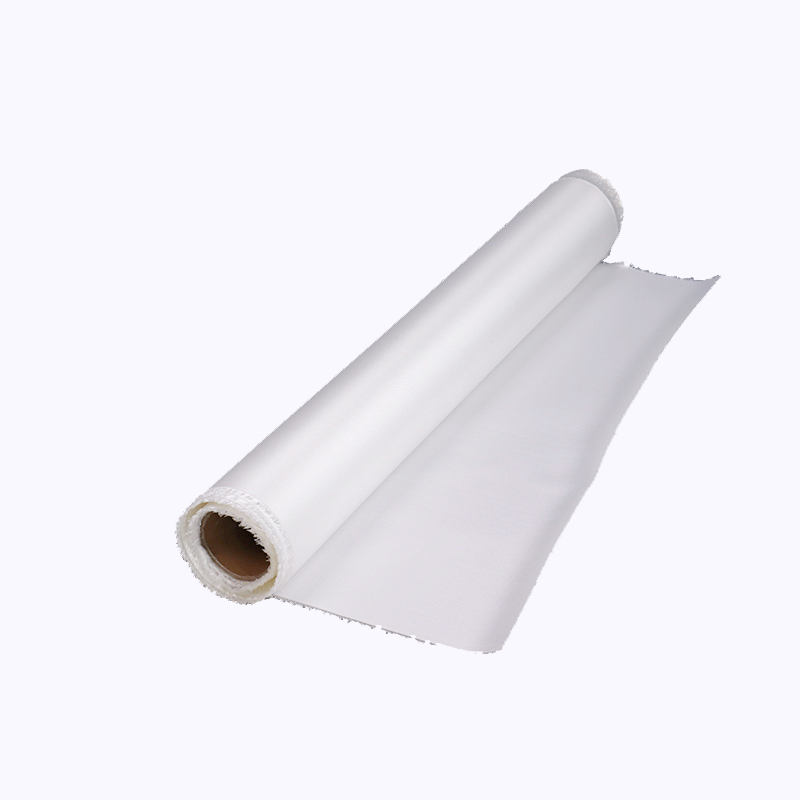
This high silica fabric is woven from high silica fibers with a silicon dioxide content of 96% or higher. The material serves as a replacement for asbestos and ceramic fiber cloth. The continuous operating temperature reaches 1000°C, with short-term resistance up to 1650°C. The fabric exhibits high strength, ease of processing, and a wide range of applications as a high-temperature resistant, oil flame resistant, heat insulation, and thermal insulation material. Product thickness ranges from 0.7mm to 1.3mm. Surface coatings can be applied according to user requirements.
Core Advantages
Product Features
Technical Specifications
| Parameter | Specification |
|---|---|
| Continuous operating temperature | 1000°C |
| Short-term peak temperature | Up to 1650°C (less than 30 seconds) |
| Melting point | Approximately 1500°C |
| SiO₂ content | ≥96% |
| Available thicknesses | 0.7mm, 0.8mm, 0.9mm, 1.0mm, 1.1mm, 1.2mm, 1.3mm |
| Fabric weight (1.0mm thickness) | Approximately 800-1000 g/m² |
| Tensile strength (1.0mm) | >1000 N per 50mm width (warp direction)Thermal conductivity at 500°C0.035-0.040 W/m·KLinear shrinkage (1000°C, 24 hrs)<3%Standard width800mm, 900mm, 1000mm, 1200mmColorOff-white (natural), tan after heat exposureCoating optionsSilicone, aluminum, vermiculite (upon request) |
Application Scenarios
This high silica fabric is suitable for high-temperature industrial applications where standard glass fiber or ceramic fiber materials may degrade. Applications include furnace curtains and seals for heat treatment furnaces operating at 1000°C, welding protection blankets for metal fabrication, and removable thermal insulation covers for high-temperature piping and equipment. The fabric serves as oil-burner gaskets and seals in combustion systems, heat shielding in metallurgical processing, and thermal barriers in glass manufacturing. The material also applies to ceramic kiln furniture covers and aerospace thermal protection systems where high-temperature resistance and low thermal conductivity are required. As an asbestos replacement, the fabric provides equivalent performance without health hazards associated with asbestos fibers.