English
 Español
 عربى
عربى

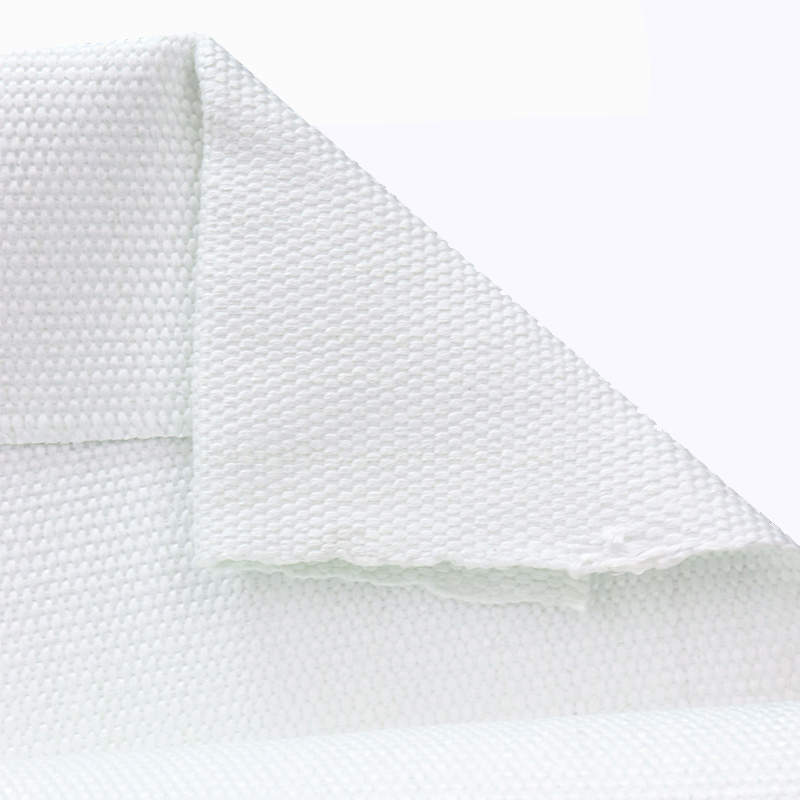
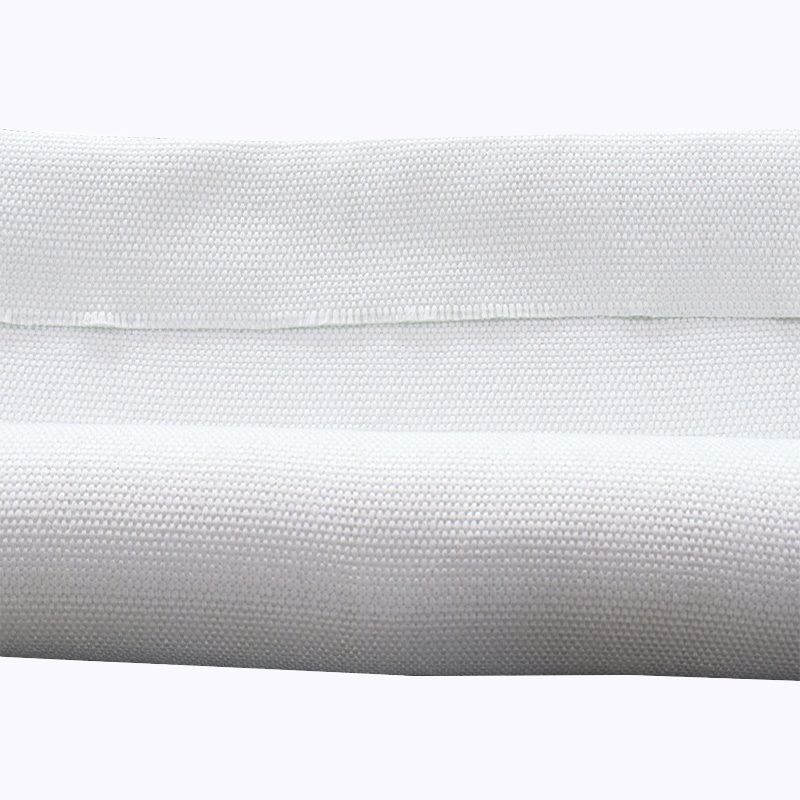
Product Introduction
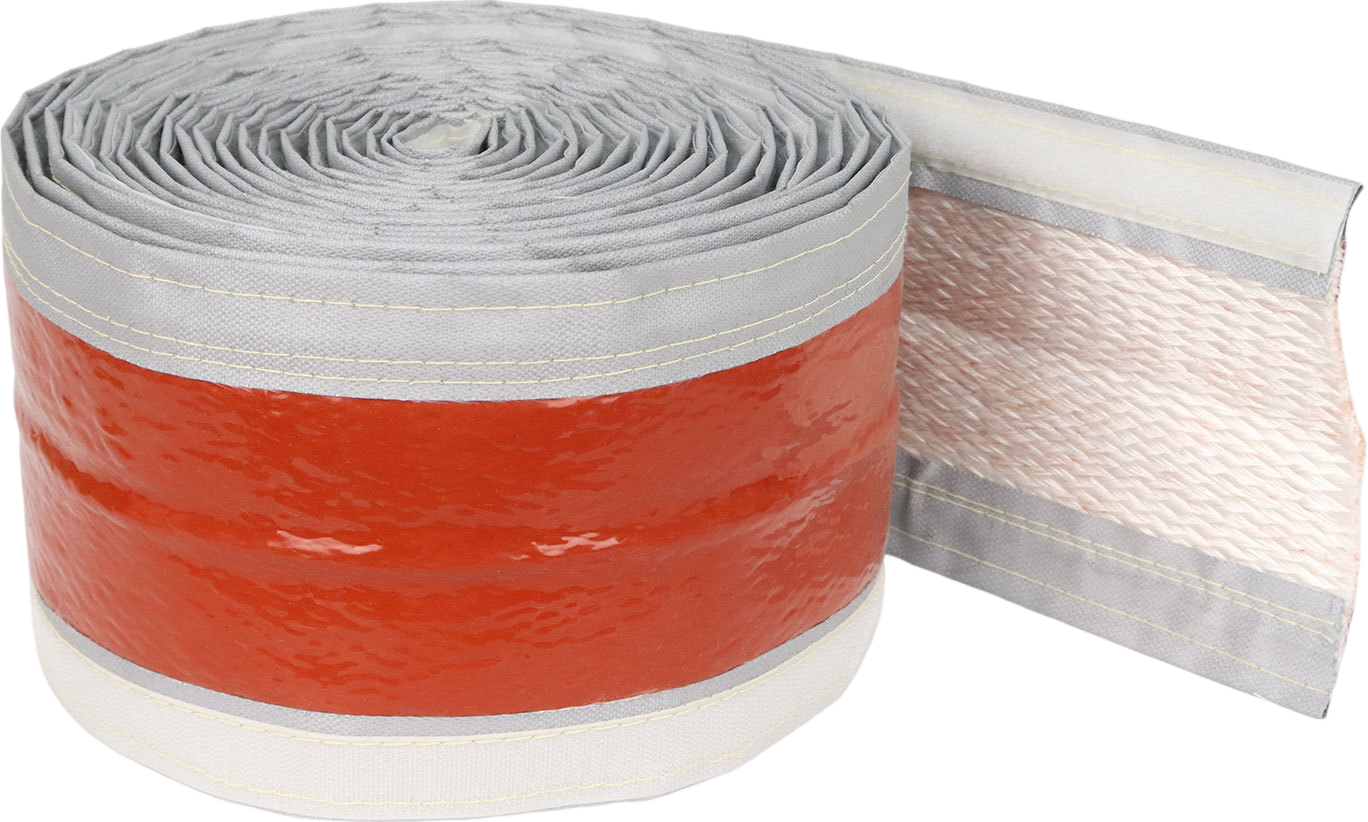
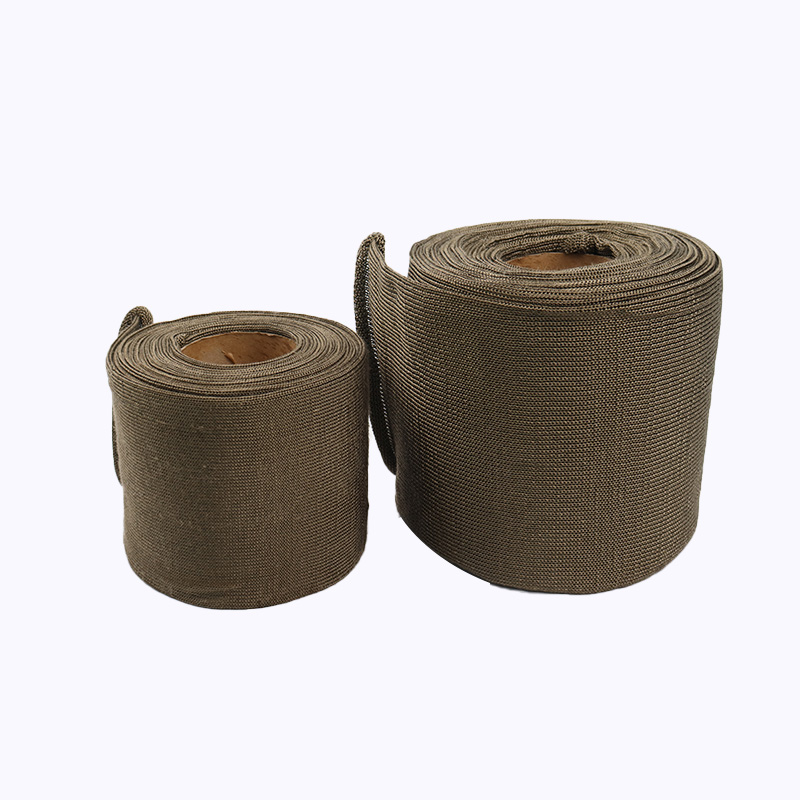
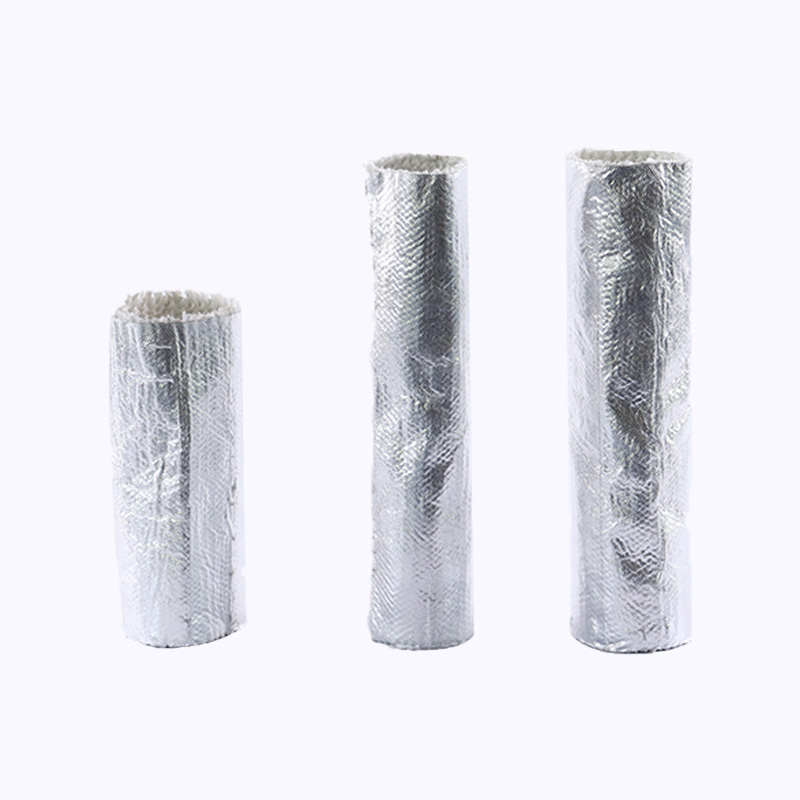
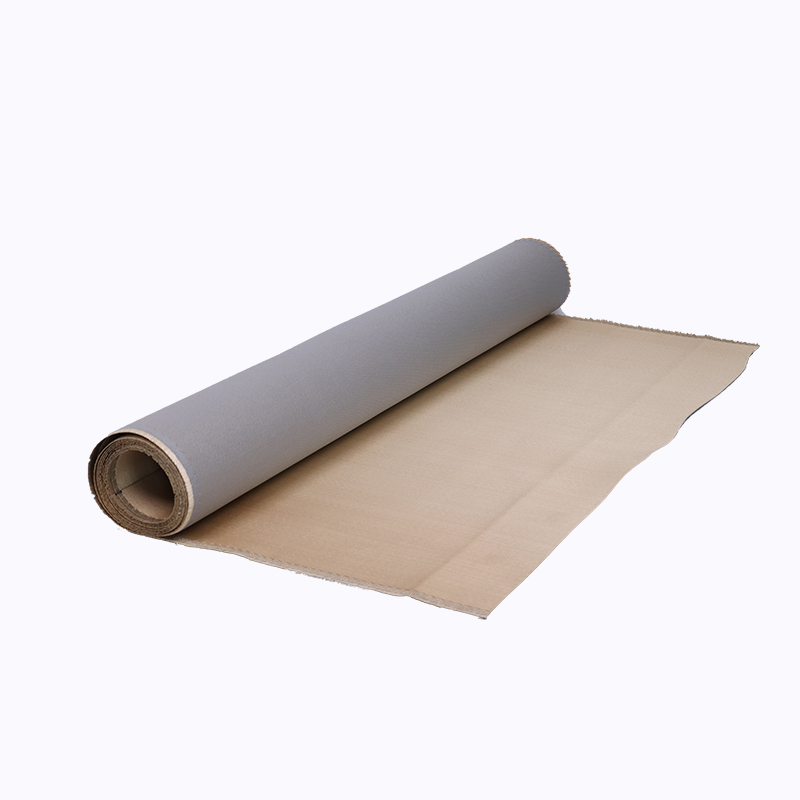
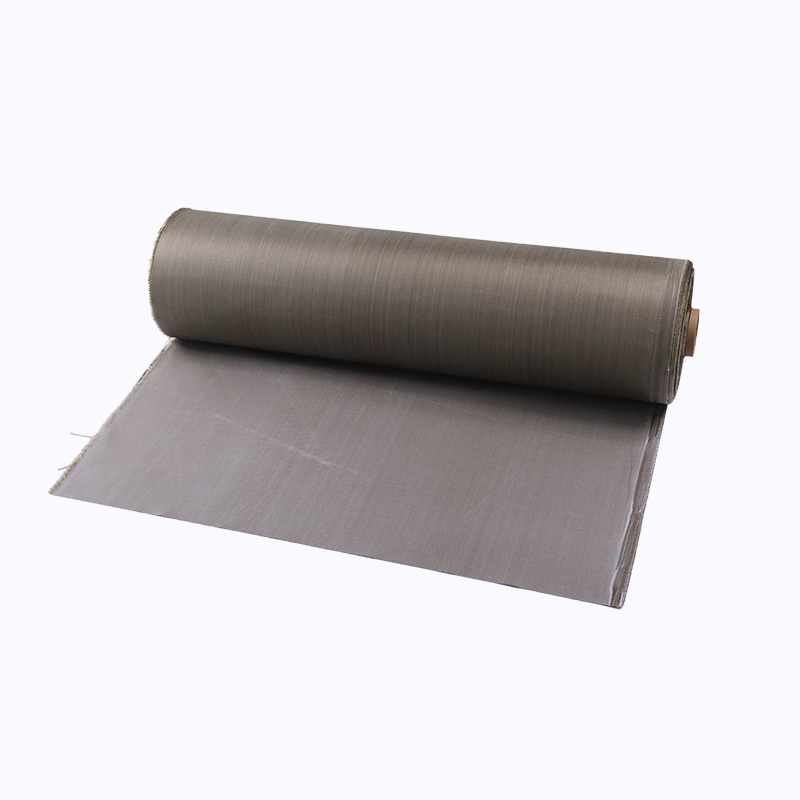
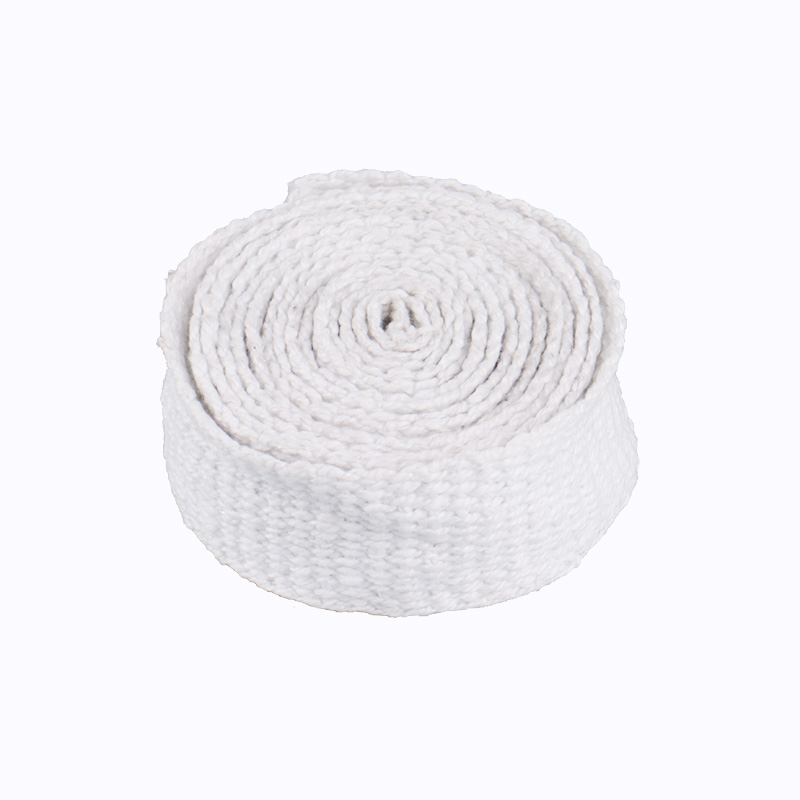
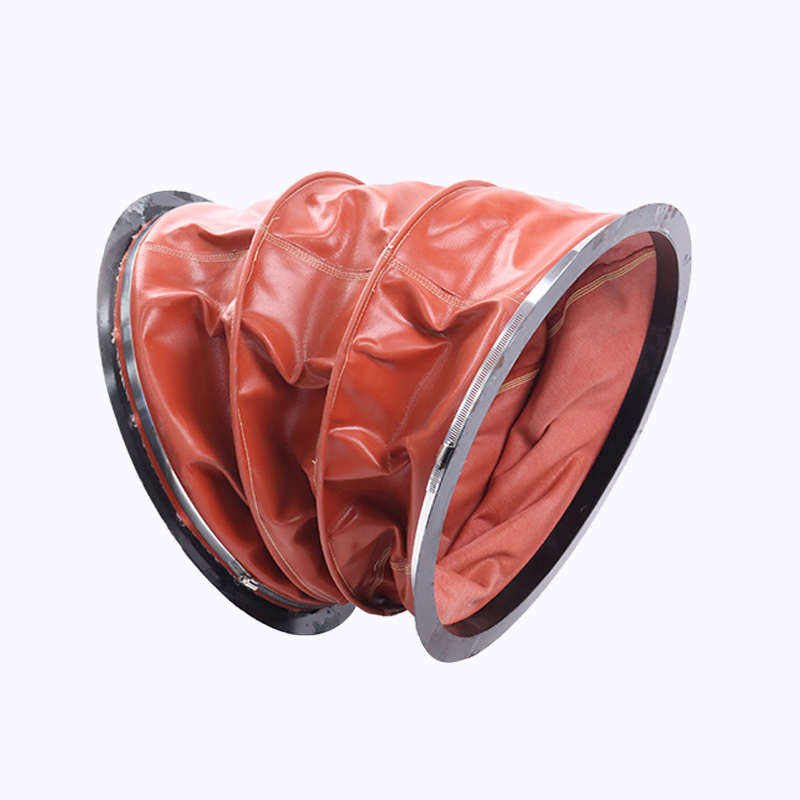
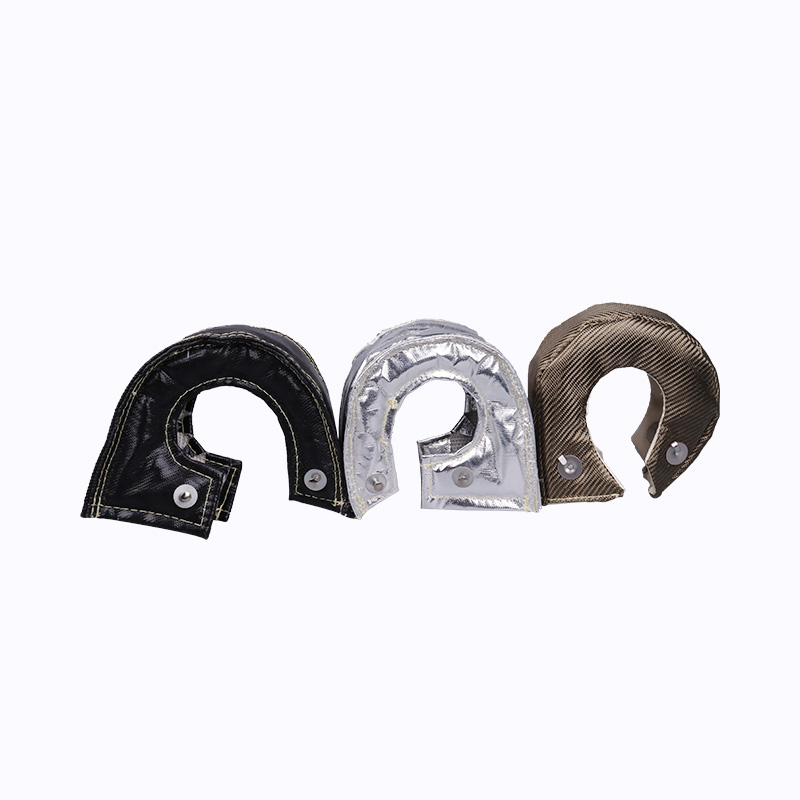
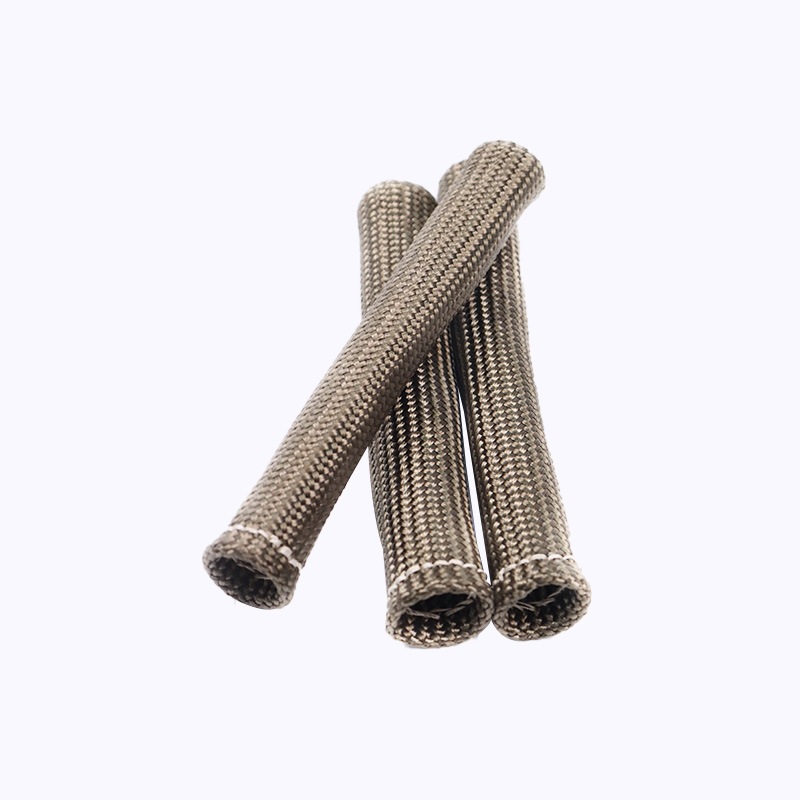
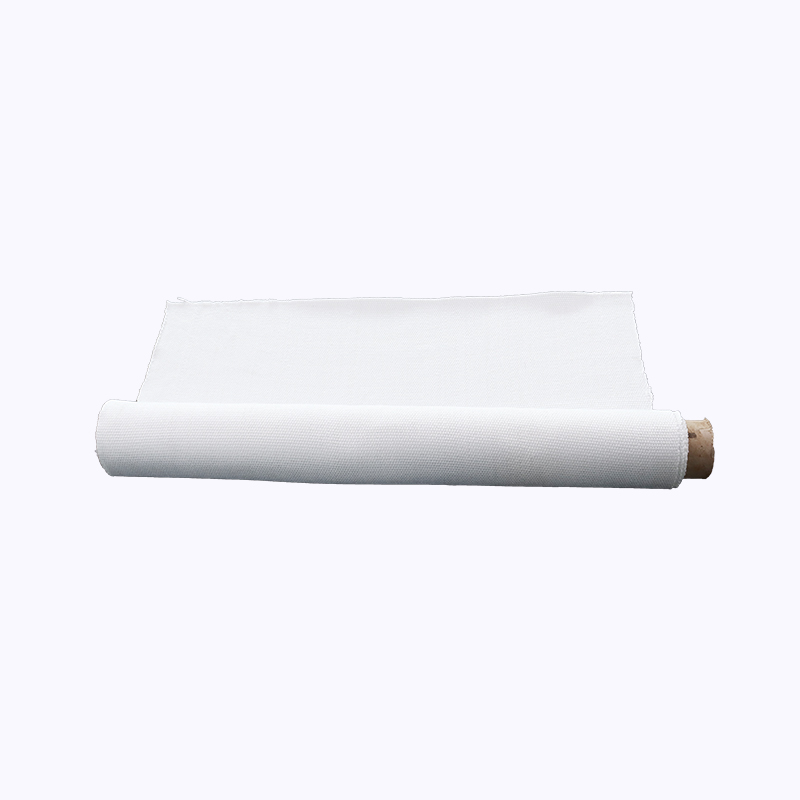
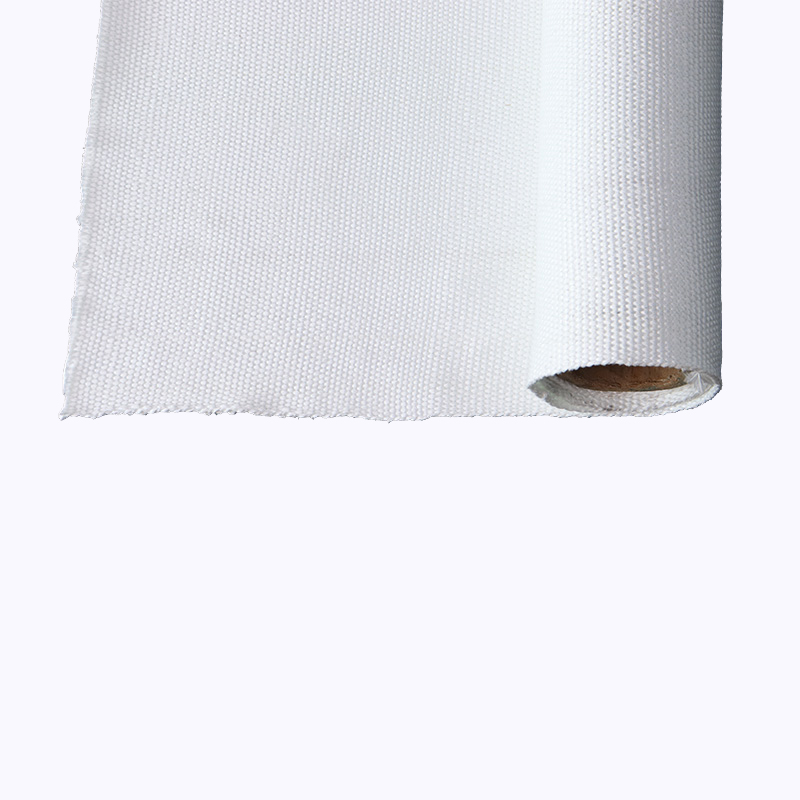
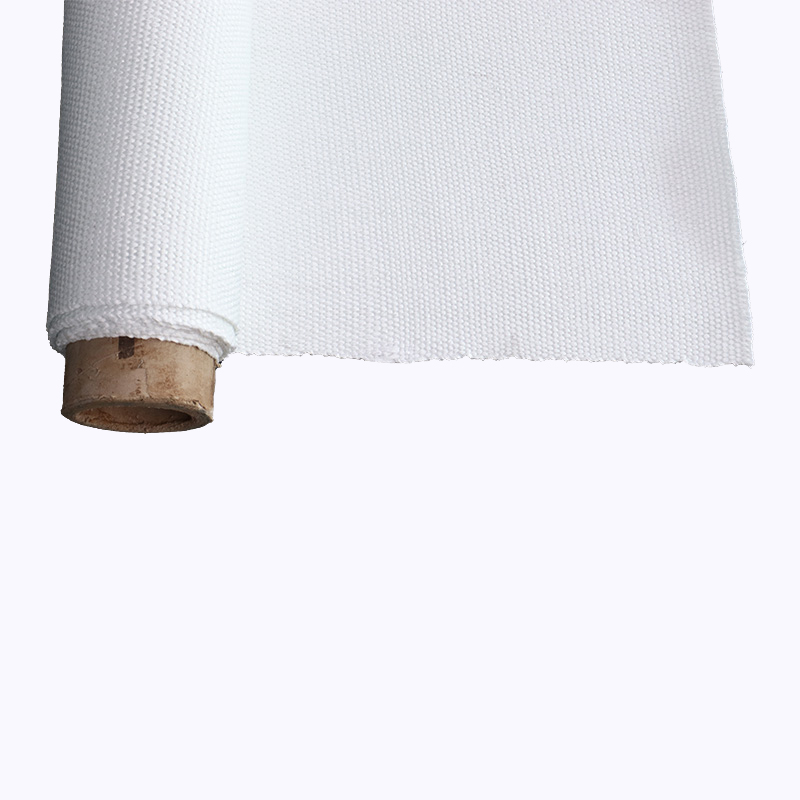
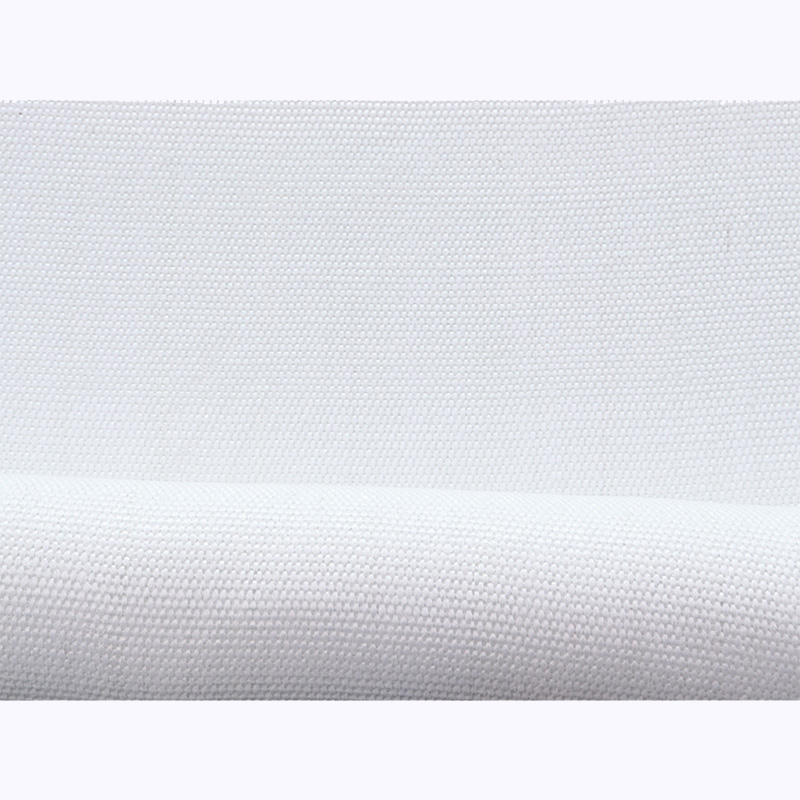
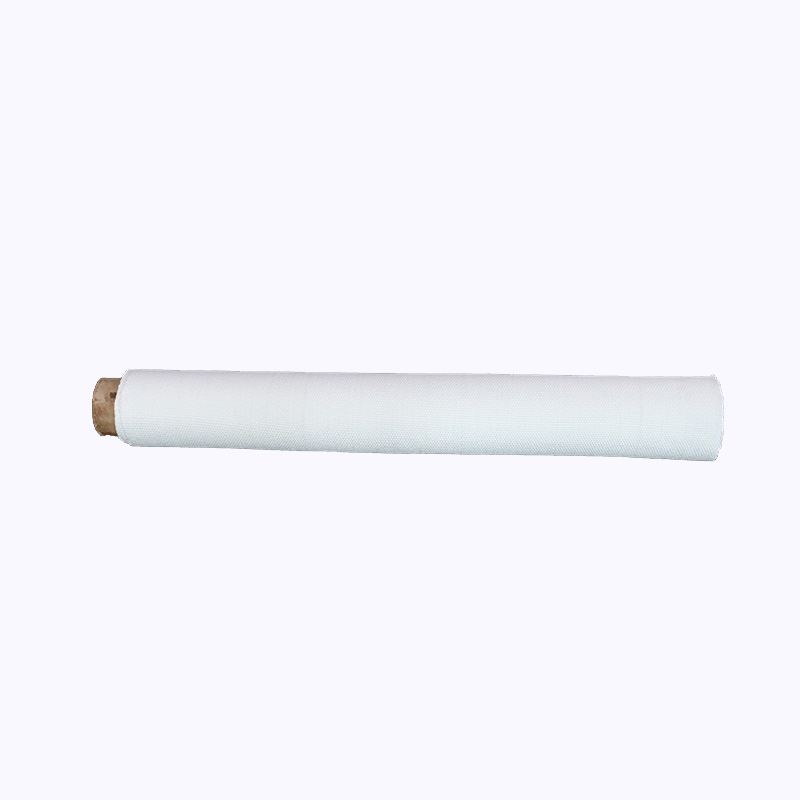
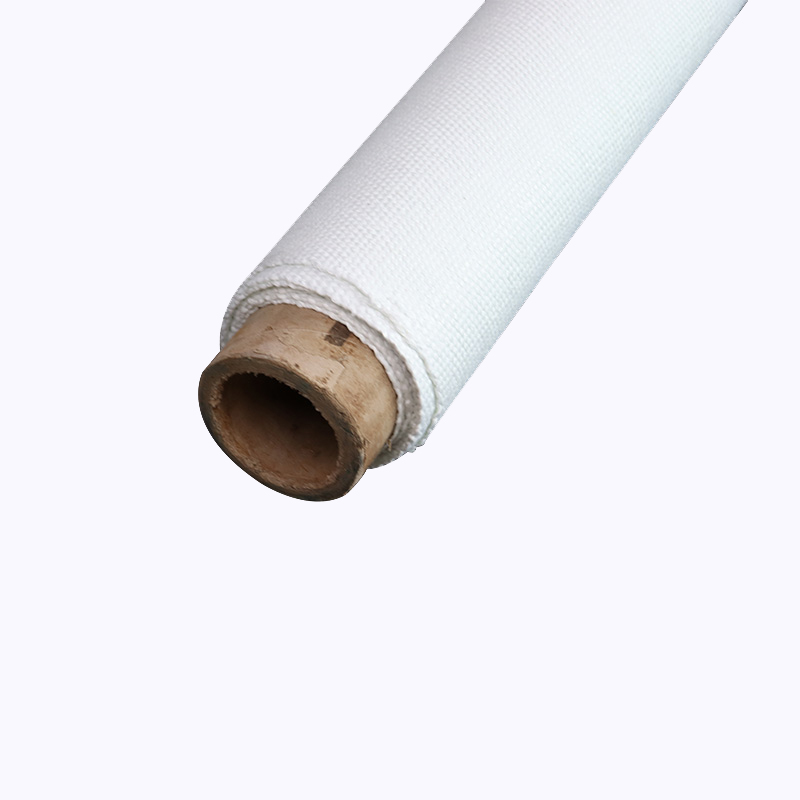
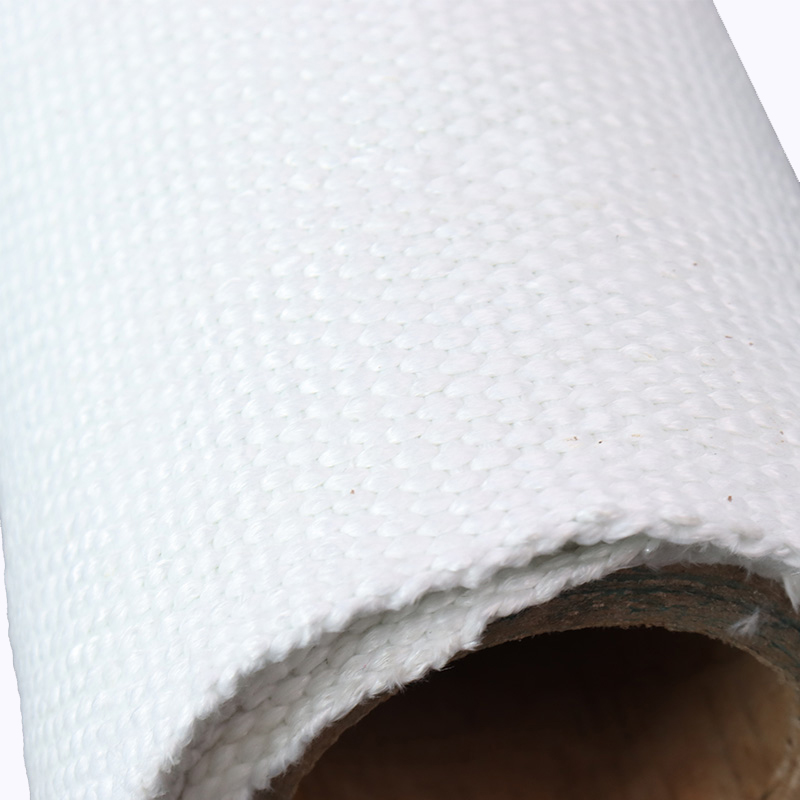
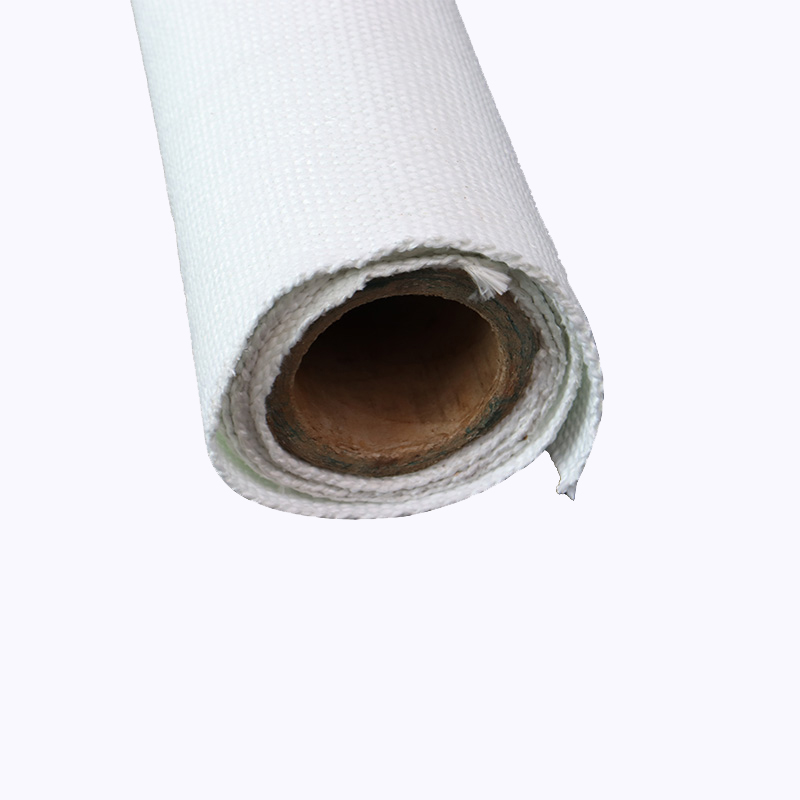
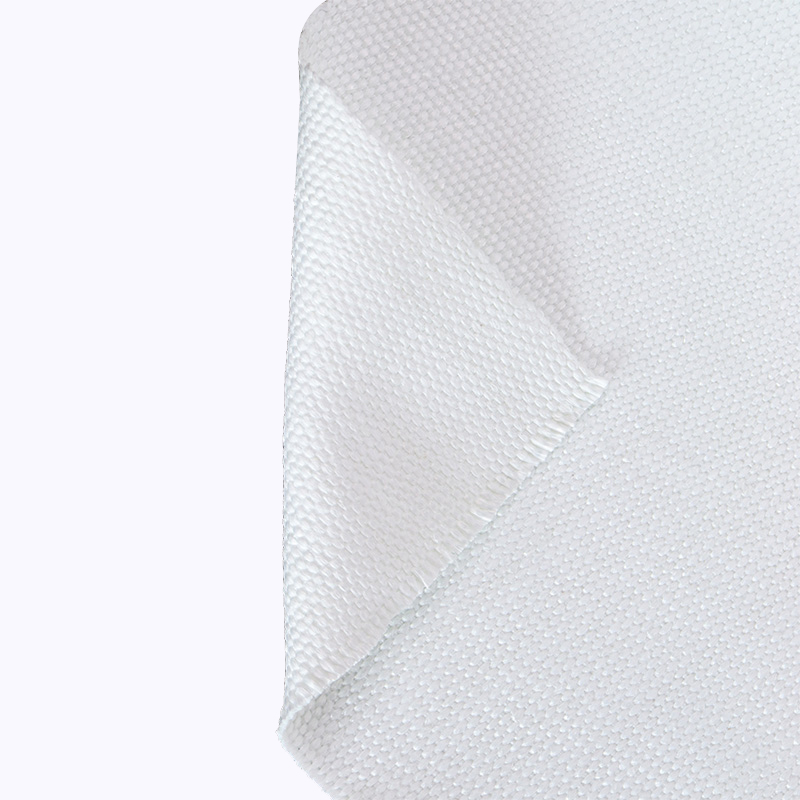
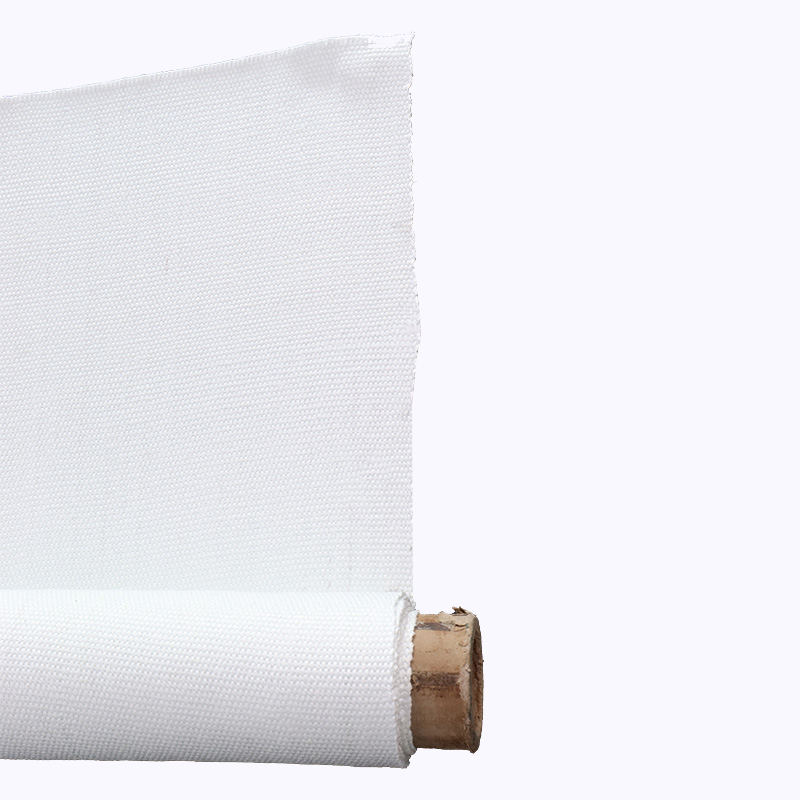
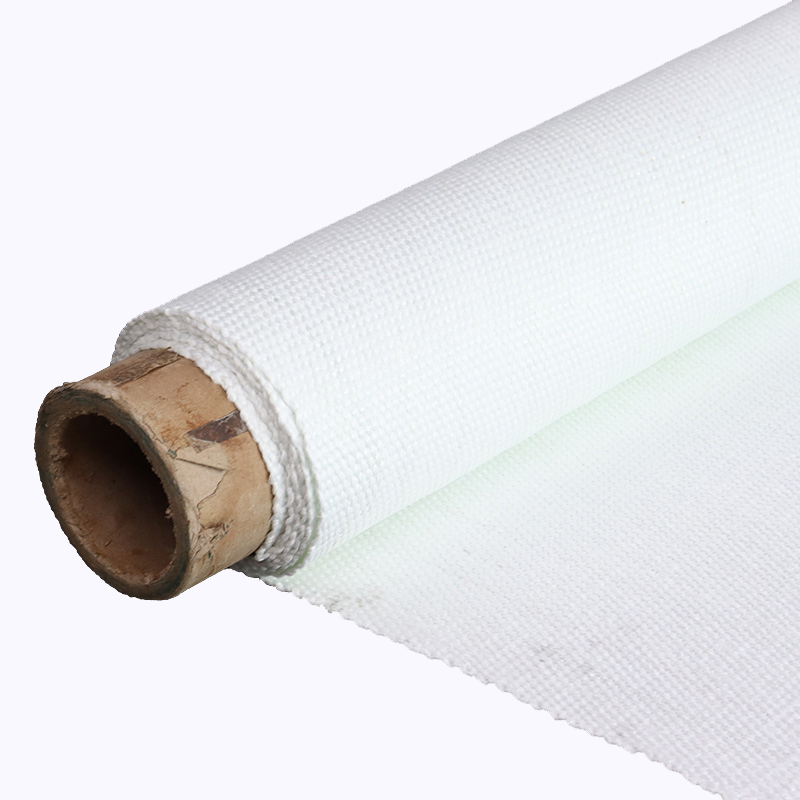
This fiberglass fabric is woven from glass fiber yarns. The material exhibits a low friction coefficient and does not readily adhere to other substances. The fabric provides fireproof, flame retardant, insulation, and pressure-resistant characteristics. It is used for thermal insulation, fireproofing, and flame retardant protection on hulls, storage tanks, cooling towers, ships, vehicles, tanks, and building materials. The normal operating temperature range extends from -180°C to +550°C.
Core Advantages
Product Features
Technical Specifications
| Parameter | Specification |
|---|---|
| Continuous operating temperature | -180°C to +550°C |
| Melting point | Approximately 1200°C |
| Fiber type | Alkali-free glass fiber (E-glass) |
| Weave types | Plain, twill, satin |
| Available thicknesses | 0.1mm, 0.2mm, 0.3mm, 0.4mm, 0.5mm, 0.8mm, 1.0mm, 1.5mm, 2.0mm, 2.5mm, 3.0mm |
| Standard fabric weight (0.3mm) | 300 g/m² |
| Tensile strength (warp, 0.3mm plain) | >2000 N per 50mm width |
| Flame spread index (ASTM E84) | 0 |
| Smoke developed index (ASTM E84) | 0-5 |
| Dielectric strength (dry) | 10-15 kV/mm |
| Standard width | 1000mm, 1200mm, 1500mm (custom widths available) |
| Color | Natural white (can be dyed or coated upon request) |
Application Scenarios
This fiberglass fabric is suitable for marine applications including hull insulation to reduce heat transfer and provide fire barriers between compartments. Storage tanks use the fabric as an external fireproofing wrap for vessels containing flammable or high-temperature materials. Cooling tower applications include panel protection and weather barriers. Ships use the fabric for engine room insulation, exhaust system wrapping, and compartment fire barriers. Vehicles employ the fabric for engine compartment thermal management and exhaust heat shielding. Storage tanks for chemicals, oil, and gas benefit from the fabric's corrosion resistance and thermal protection. Building materials incorporate the fabric as a fire barrier layer in wall and ceiling assemblies. Industrial equipment covers and removable insulation blankets are also fabricated from this material.