English
 Español
 عربى
عربى

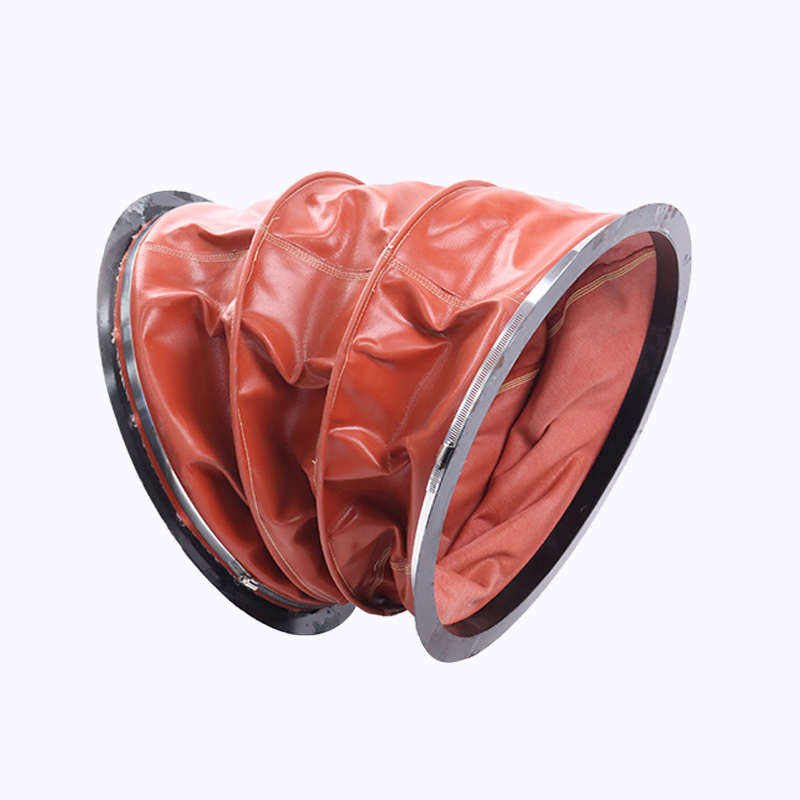
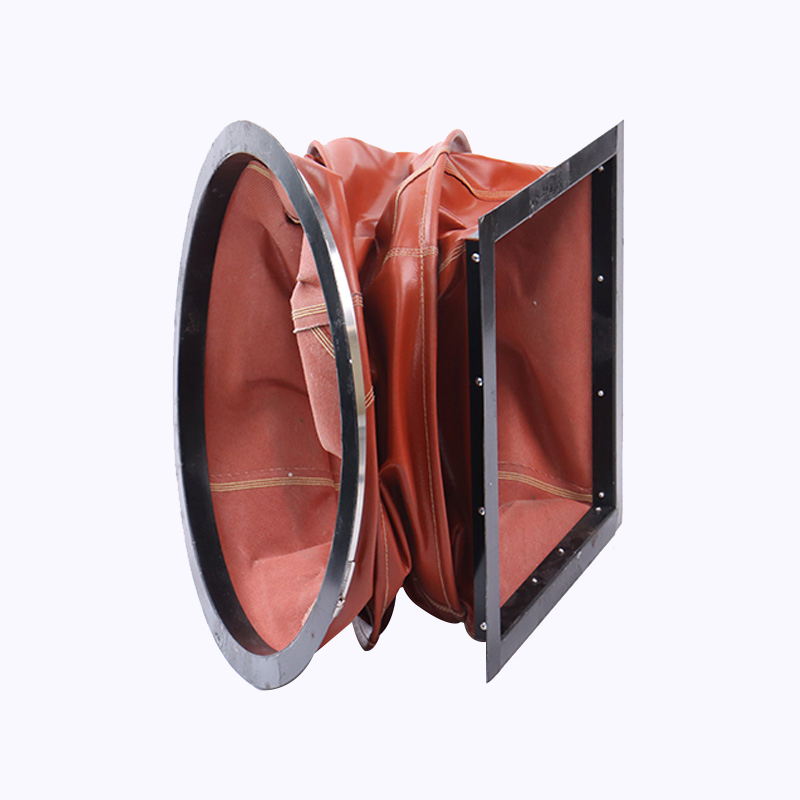
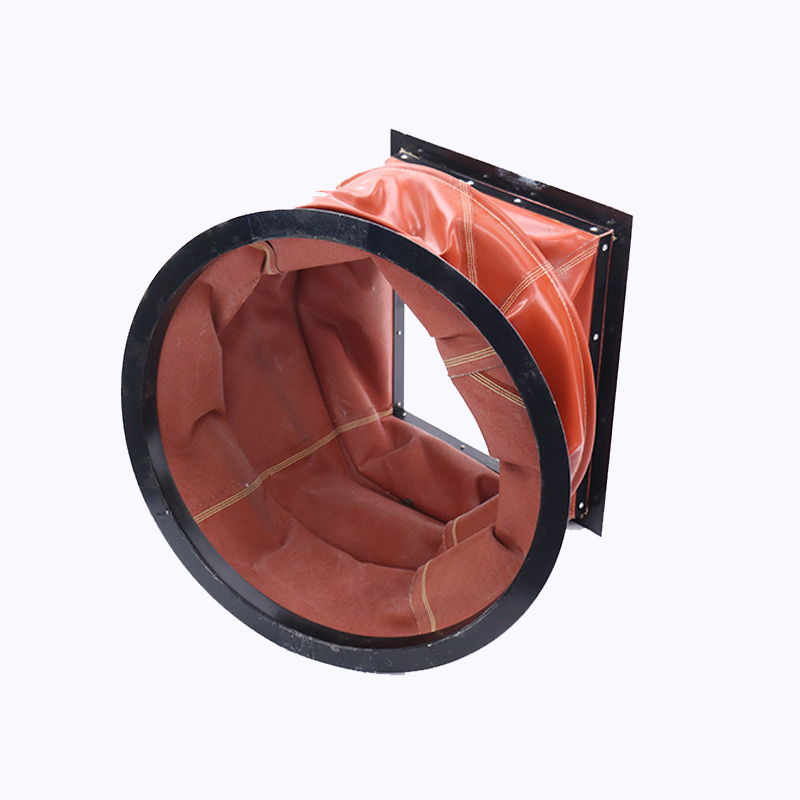
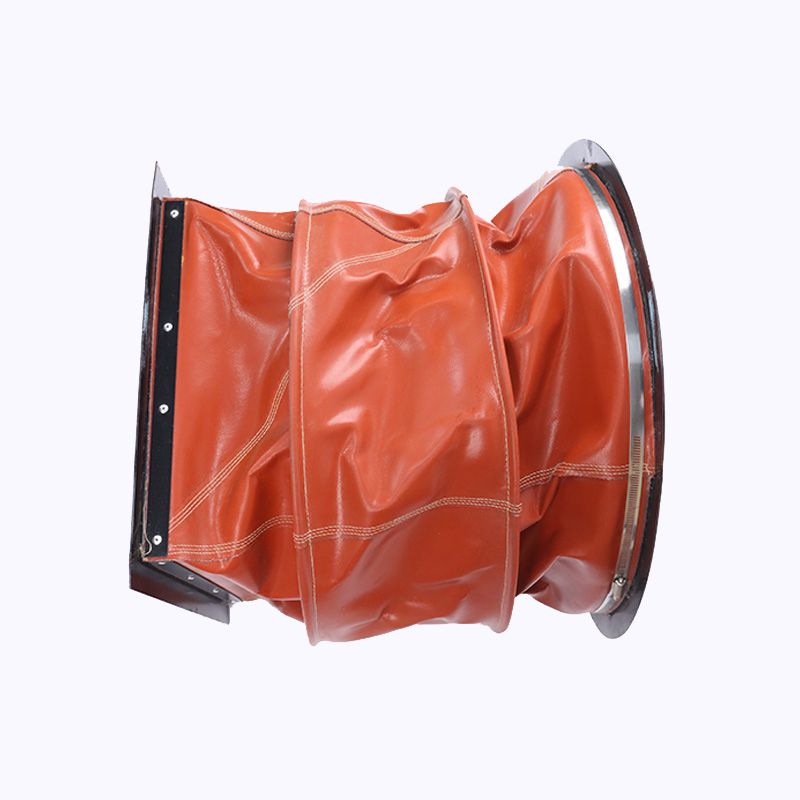
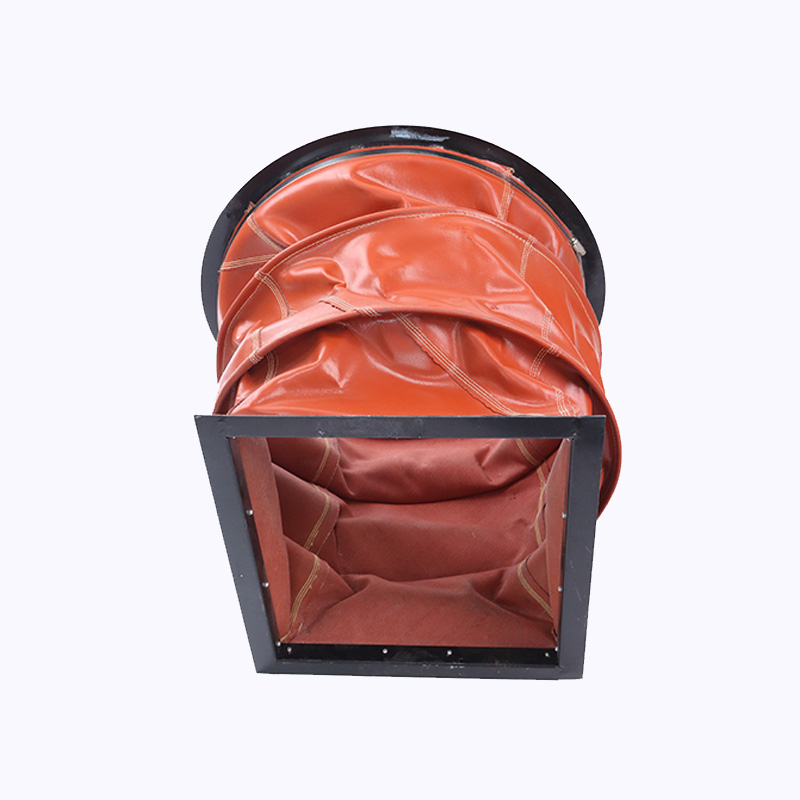
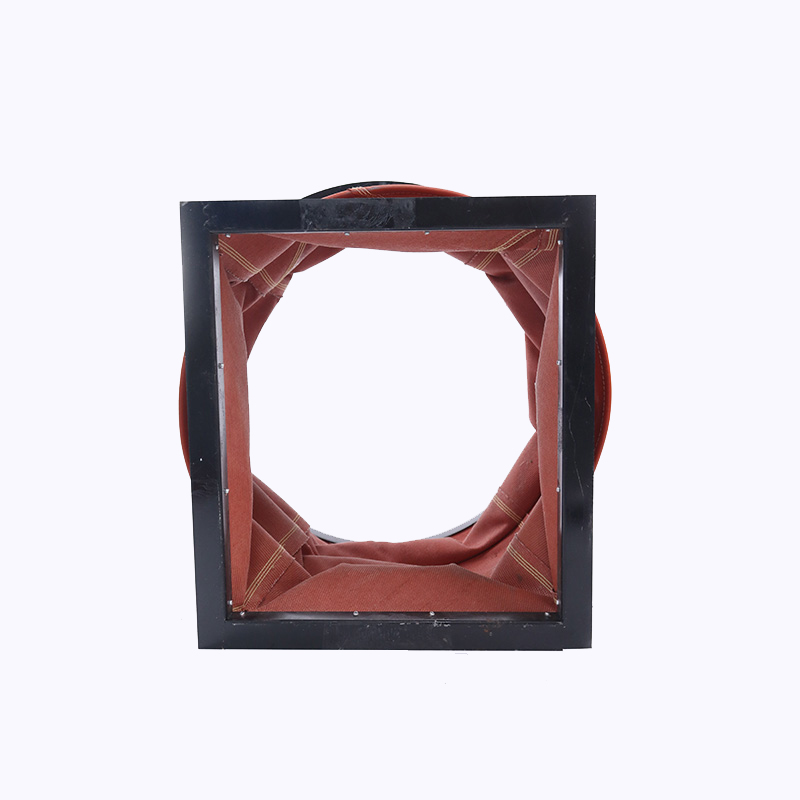
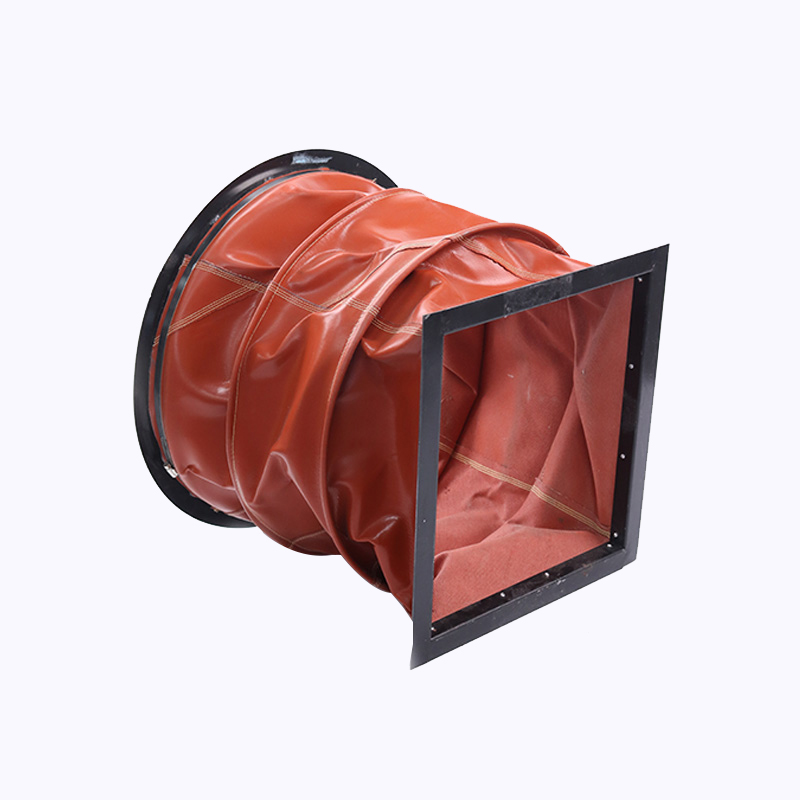
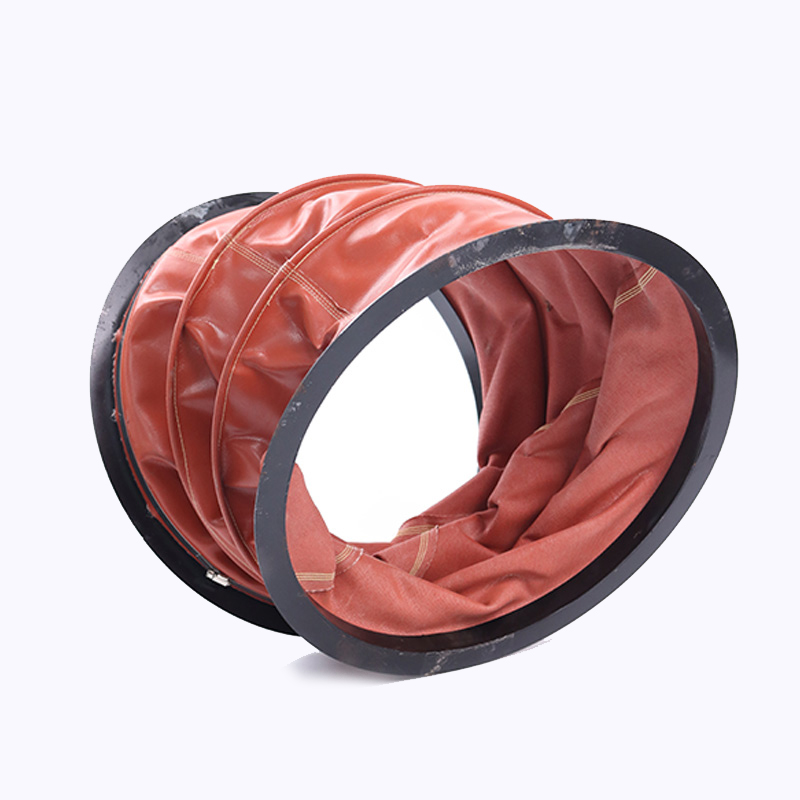
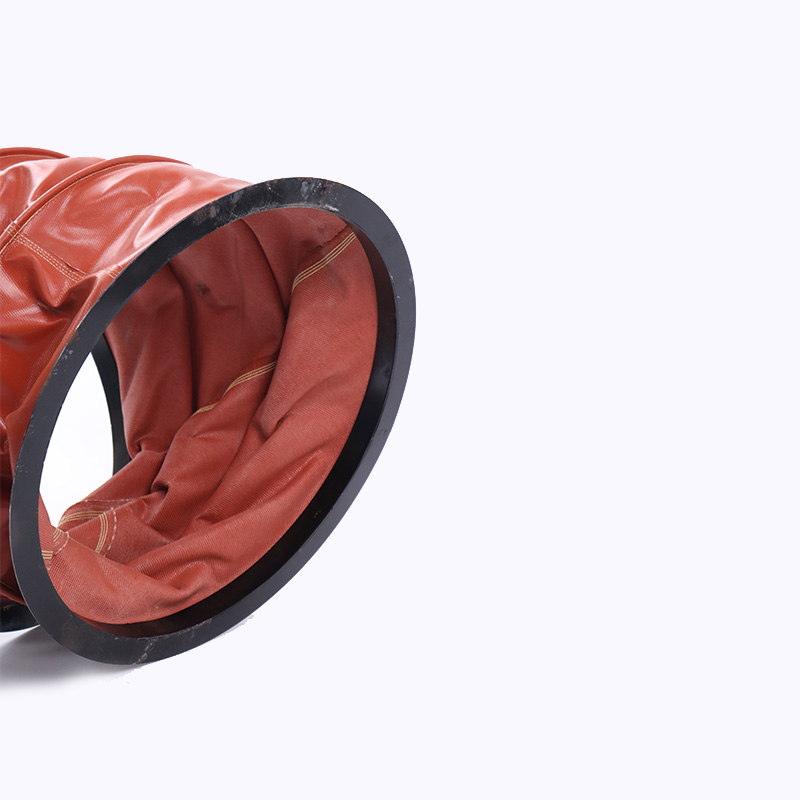
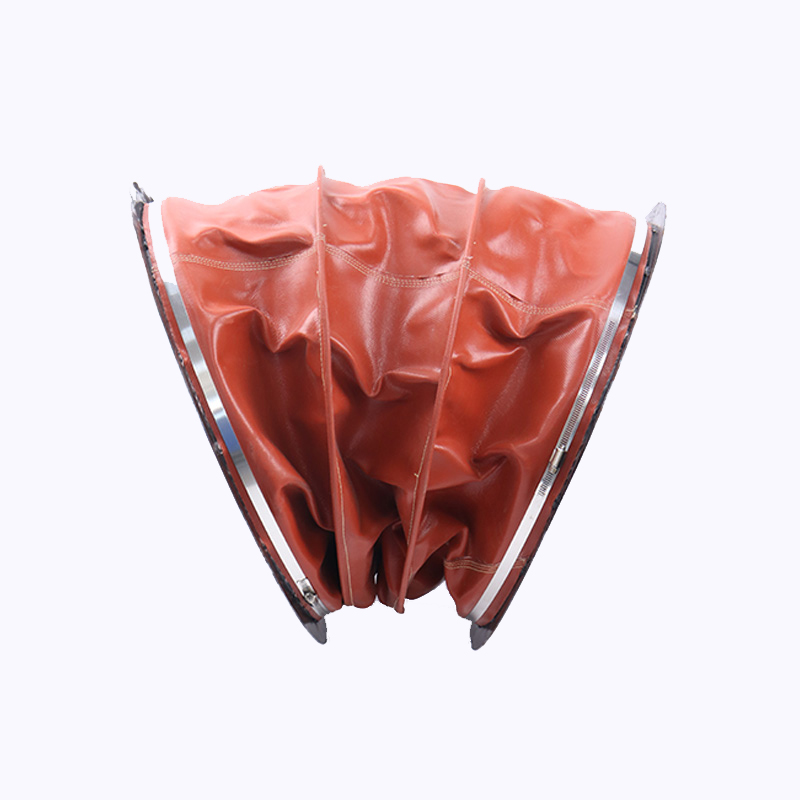
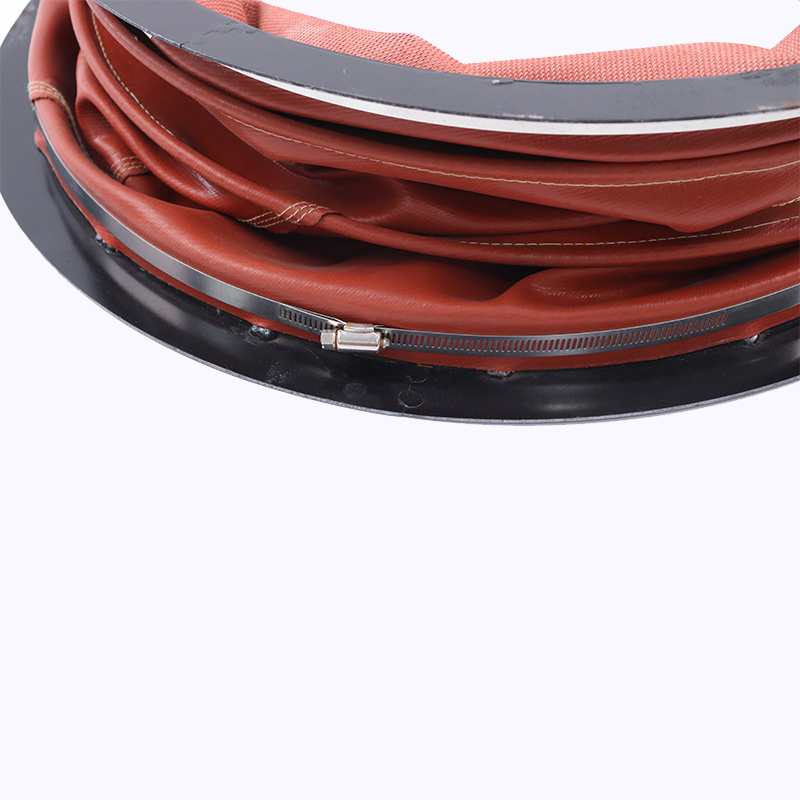

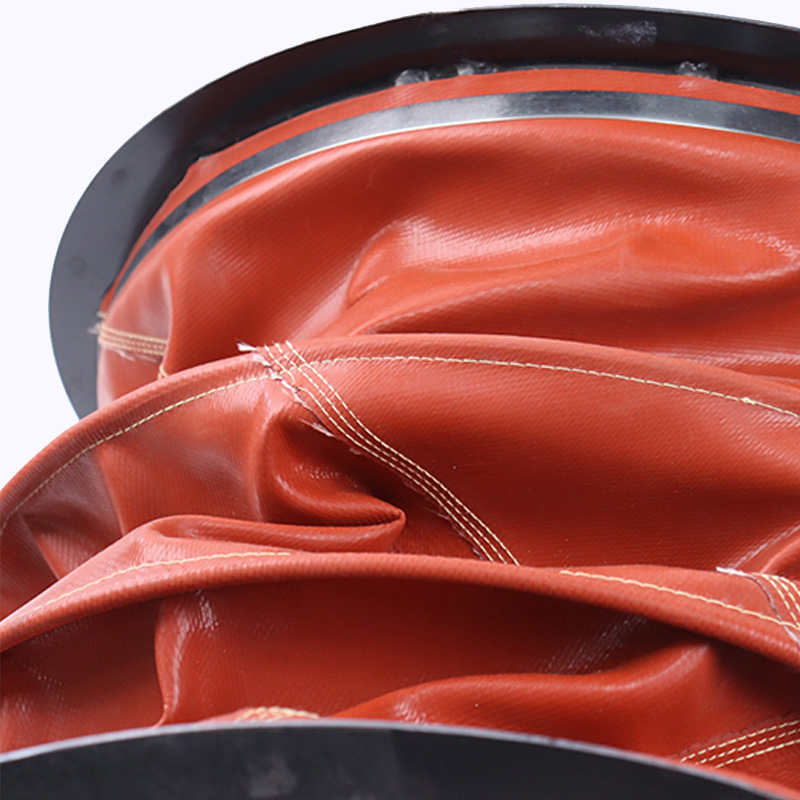
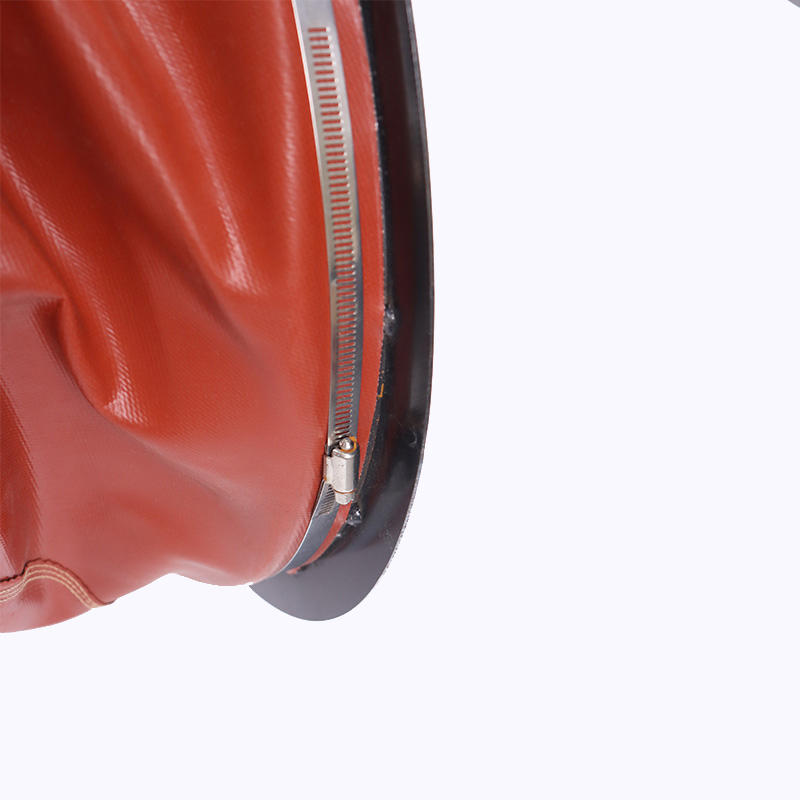
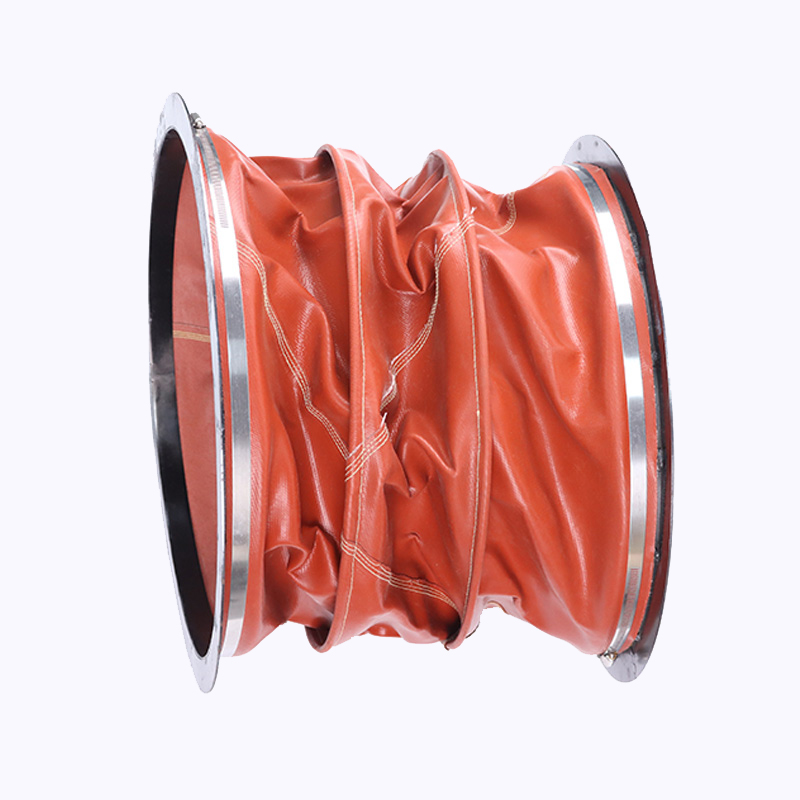
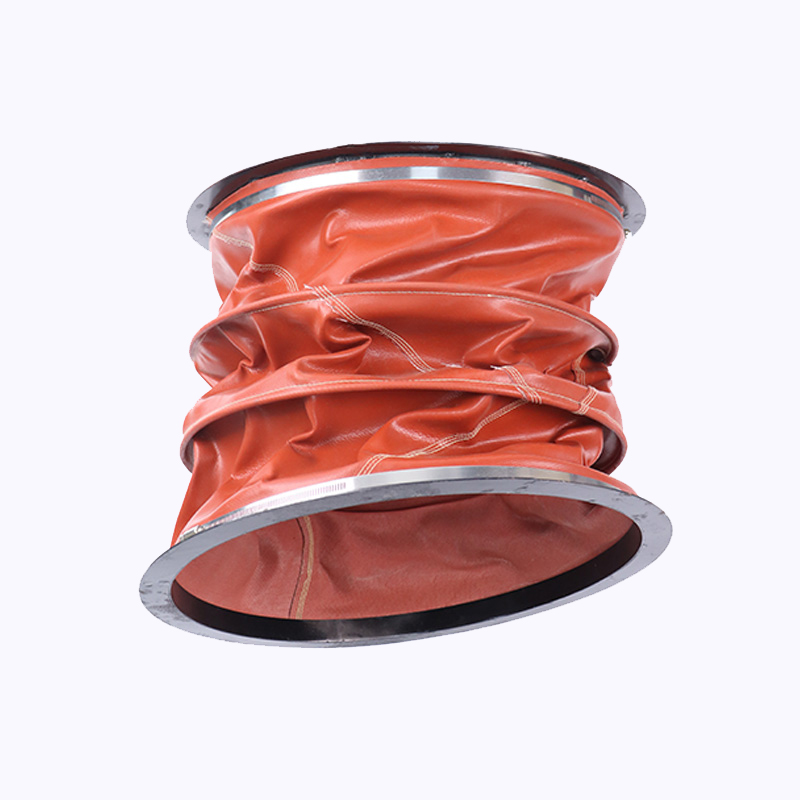
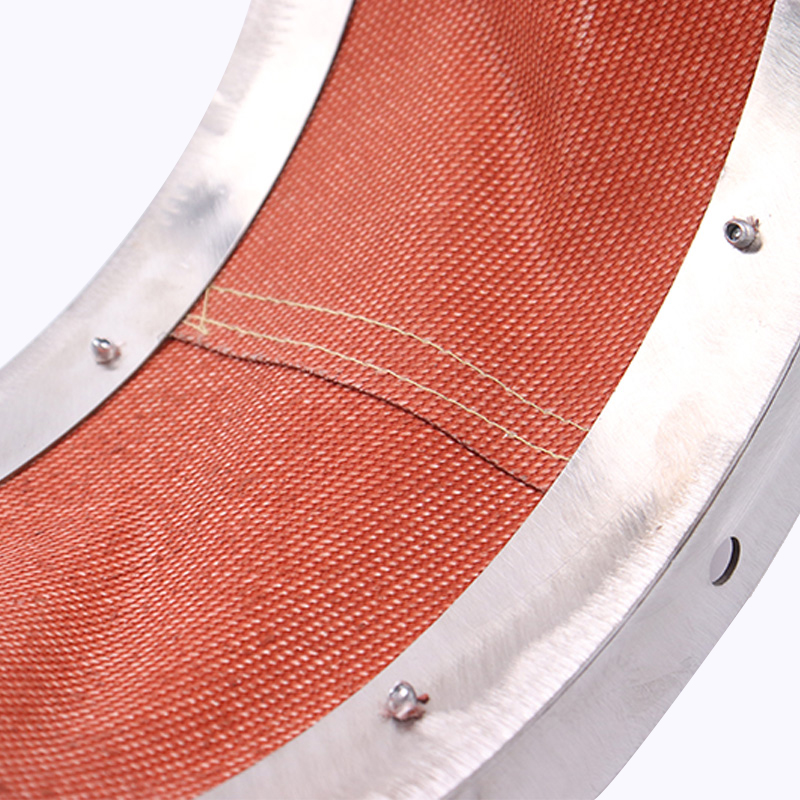
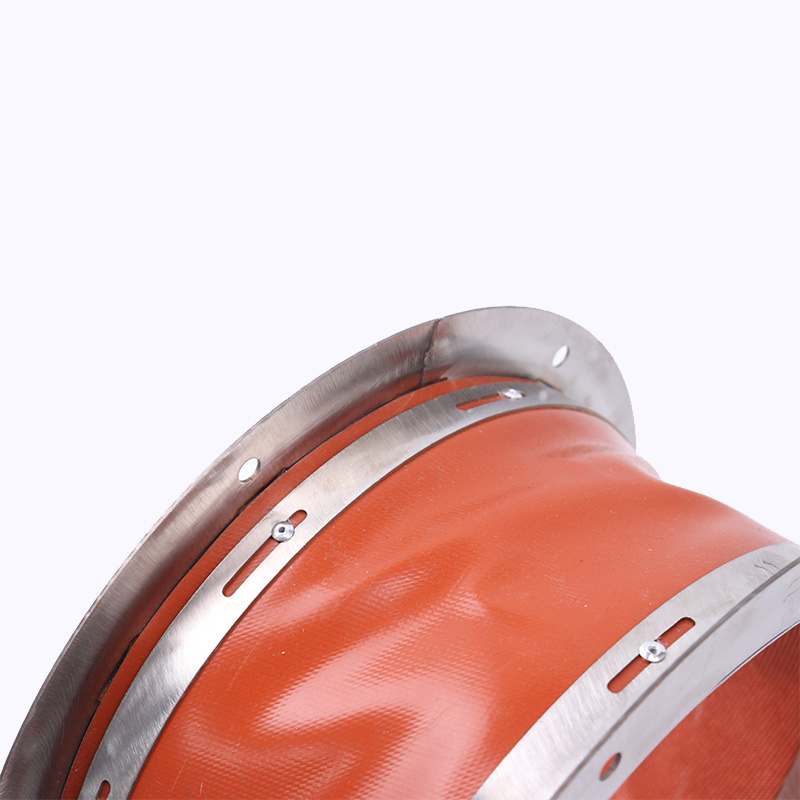
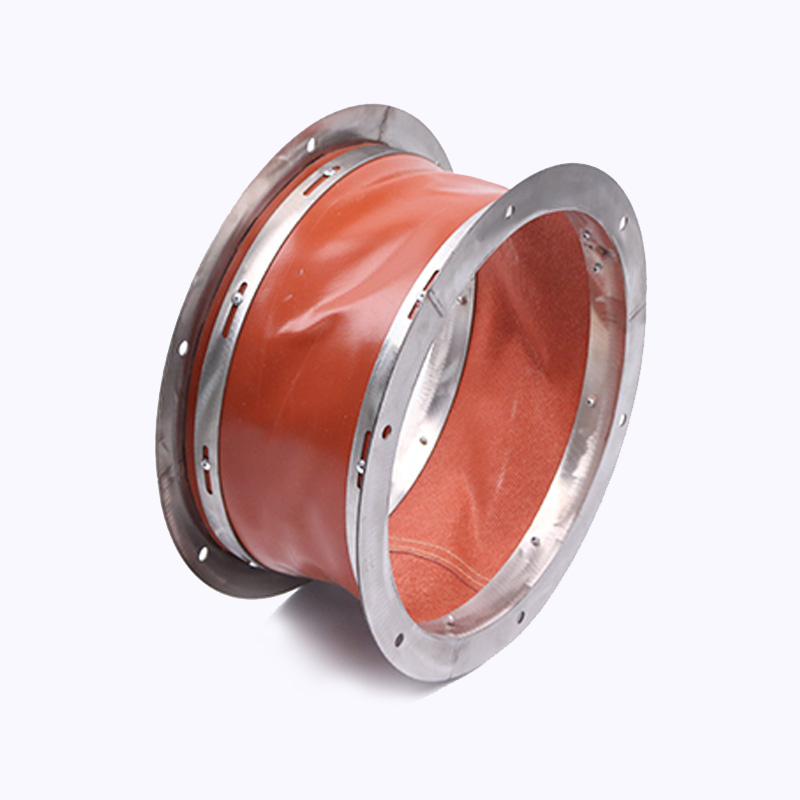
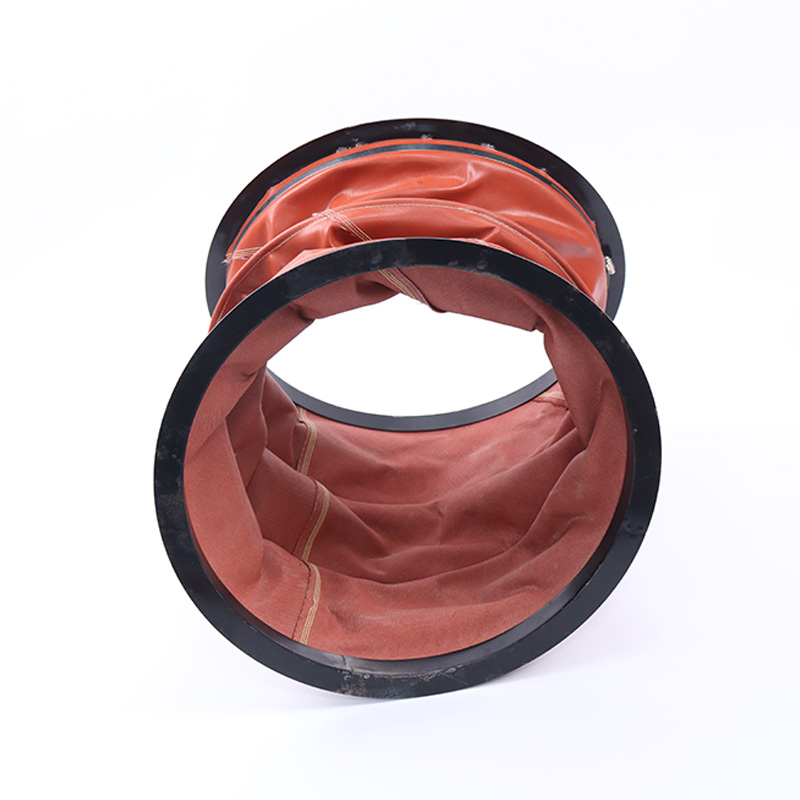
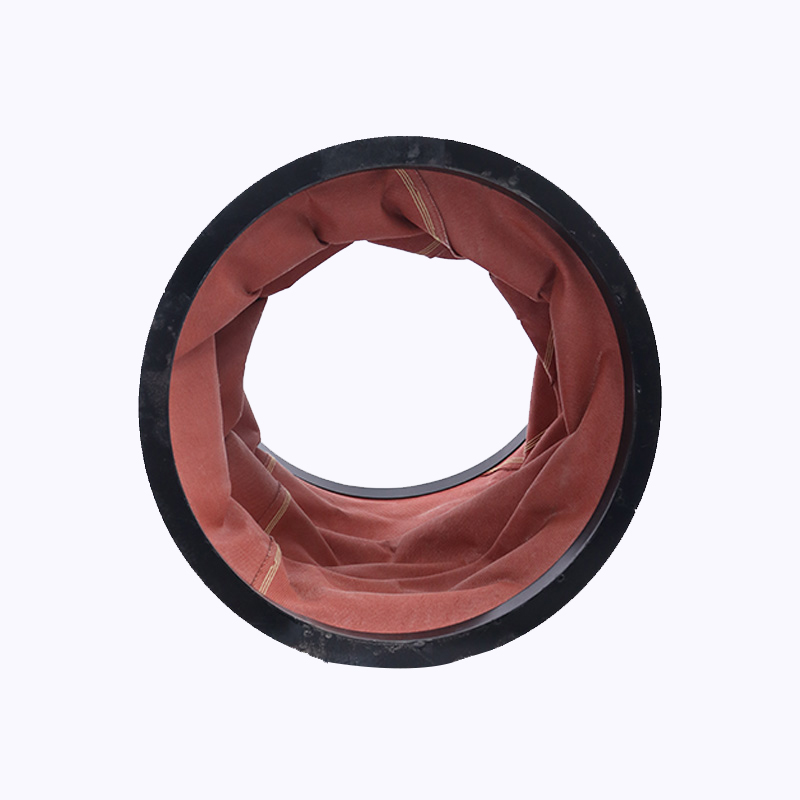
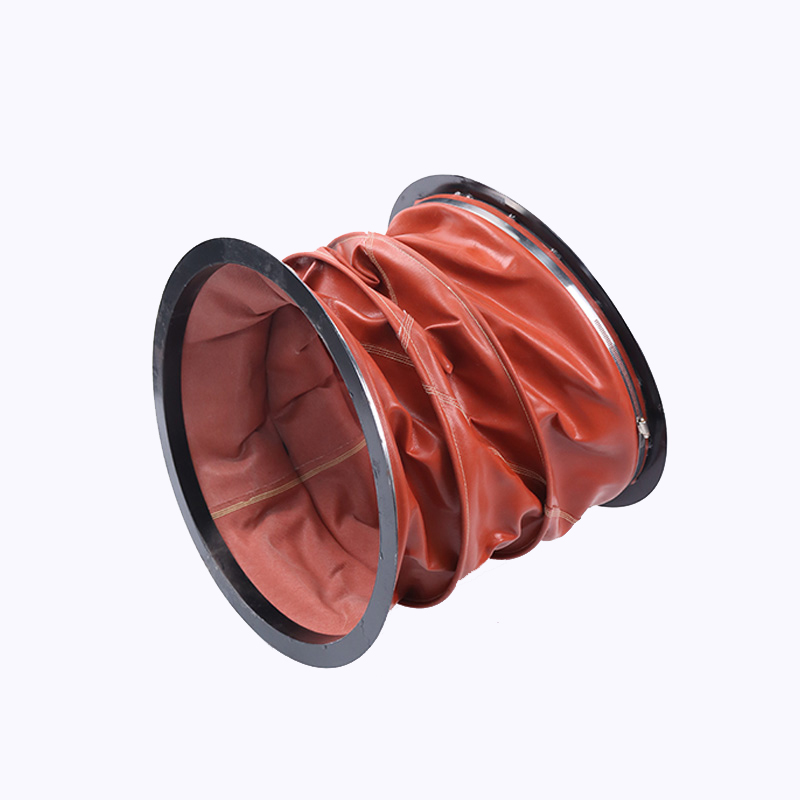
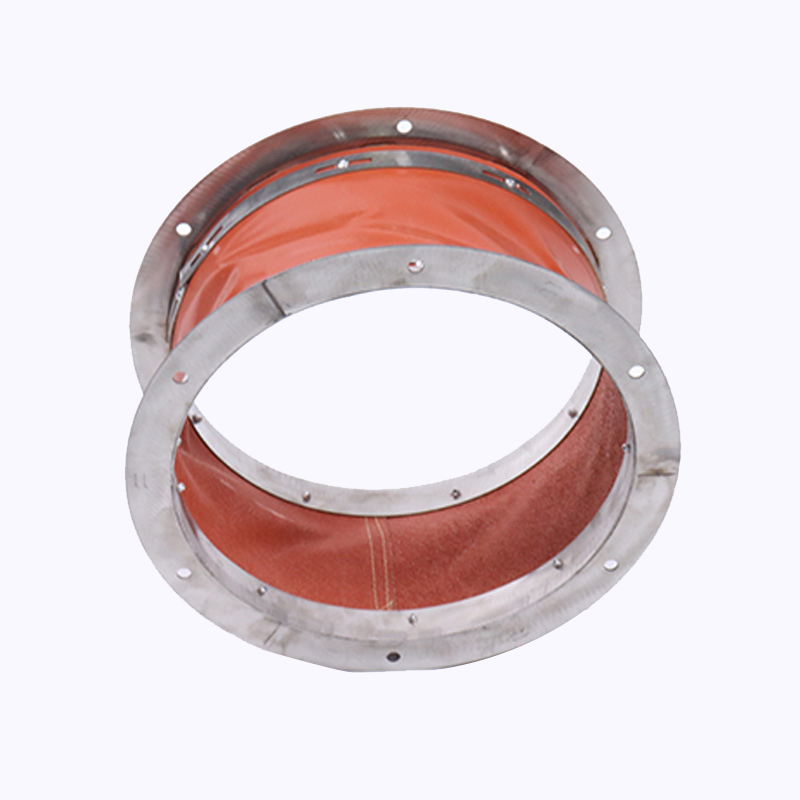
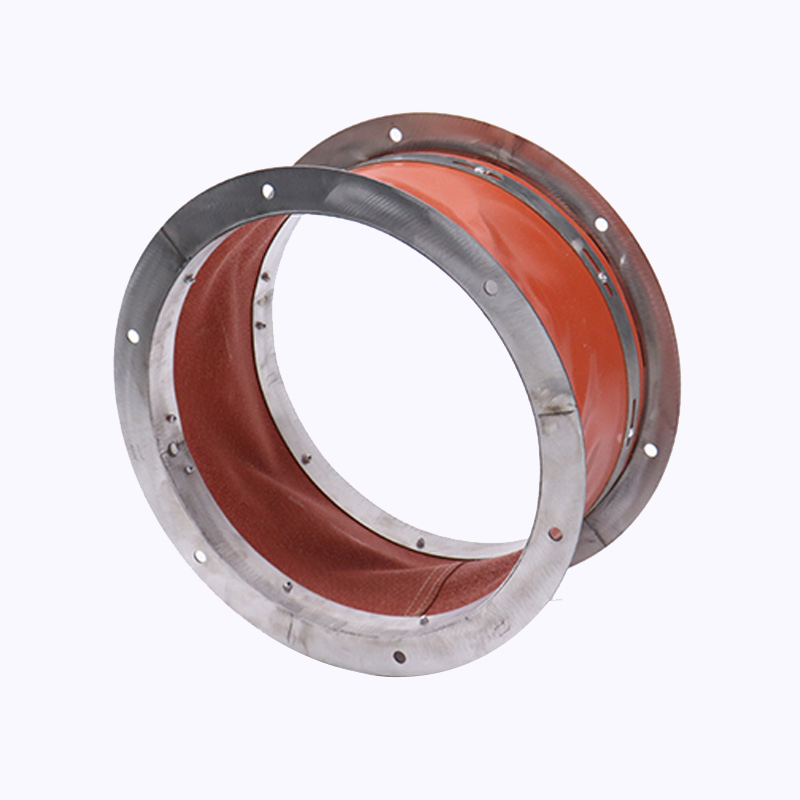
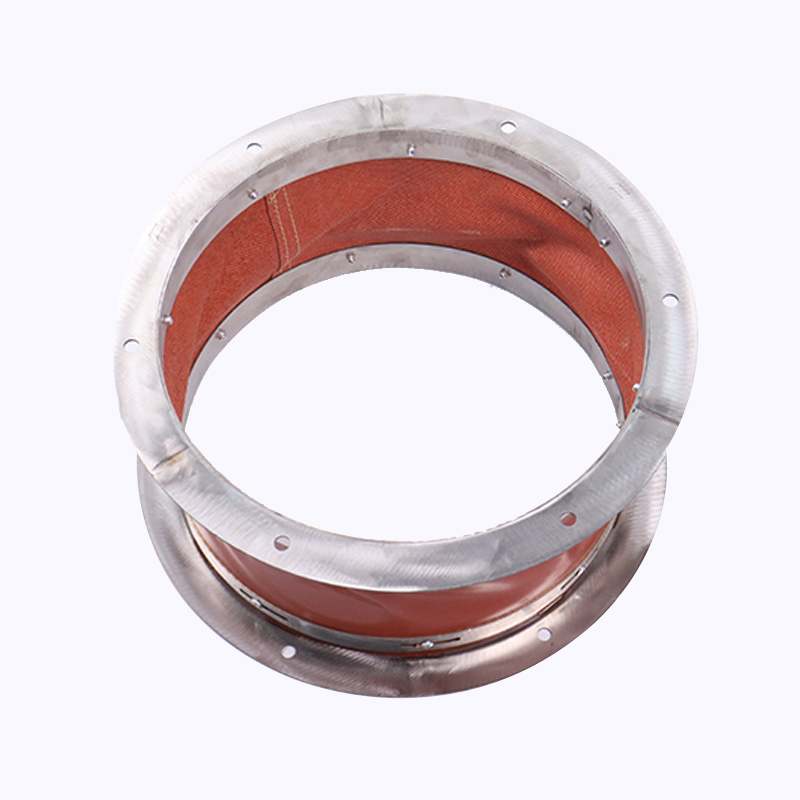
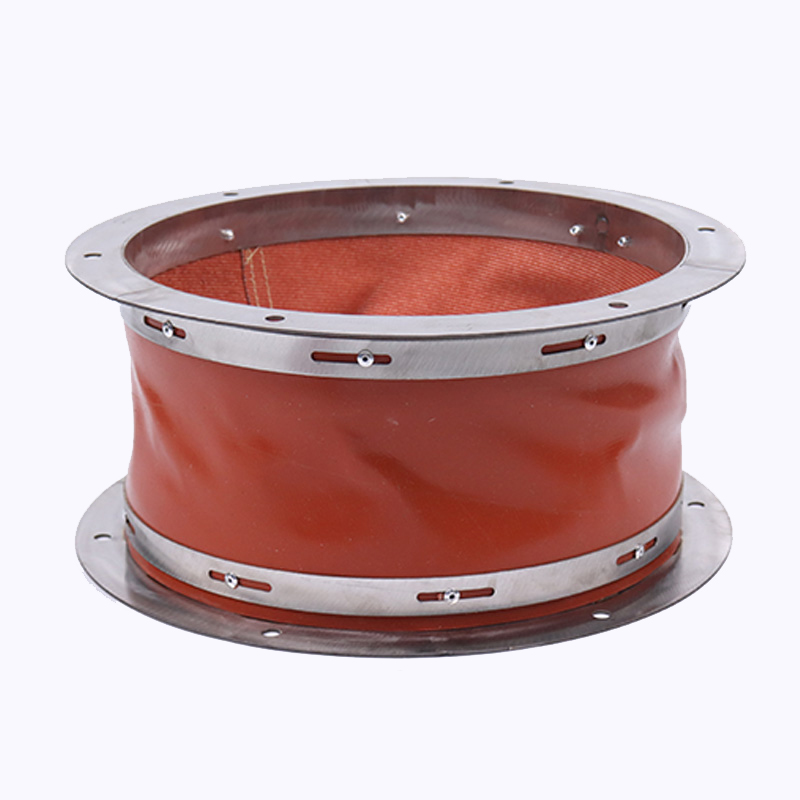
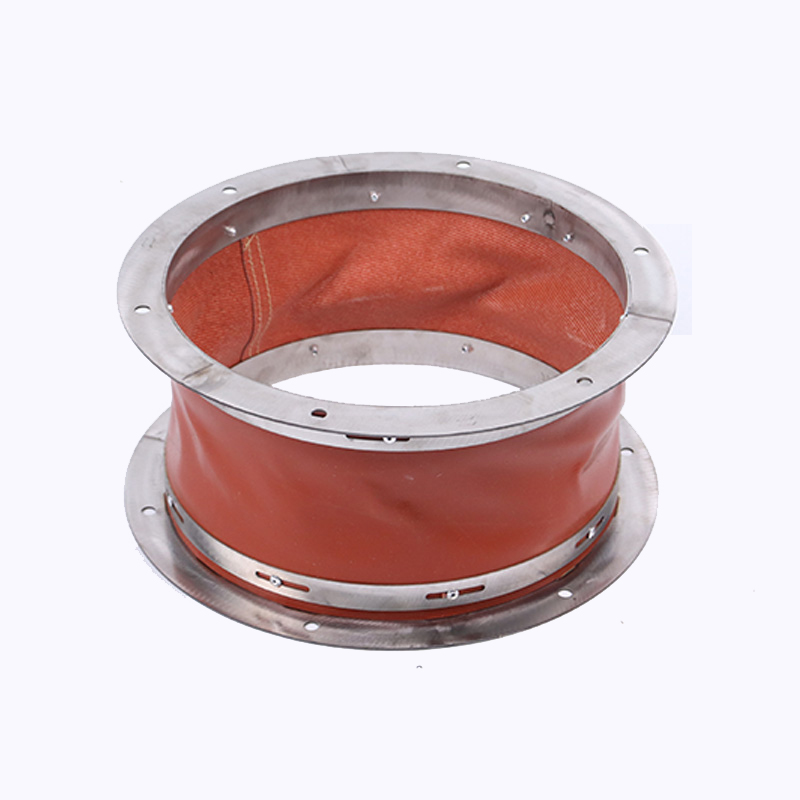
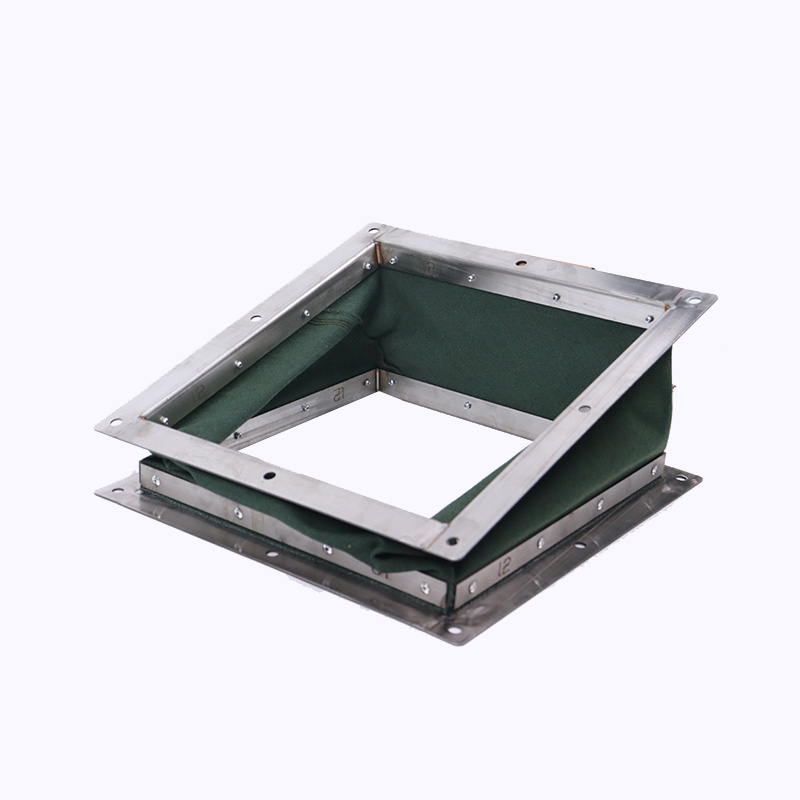
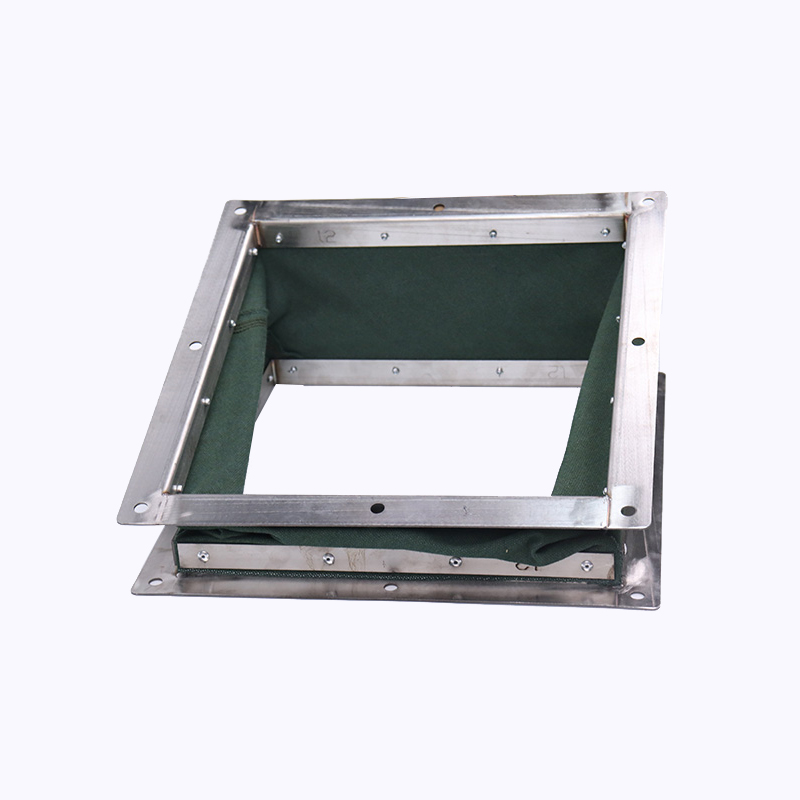
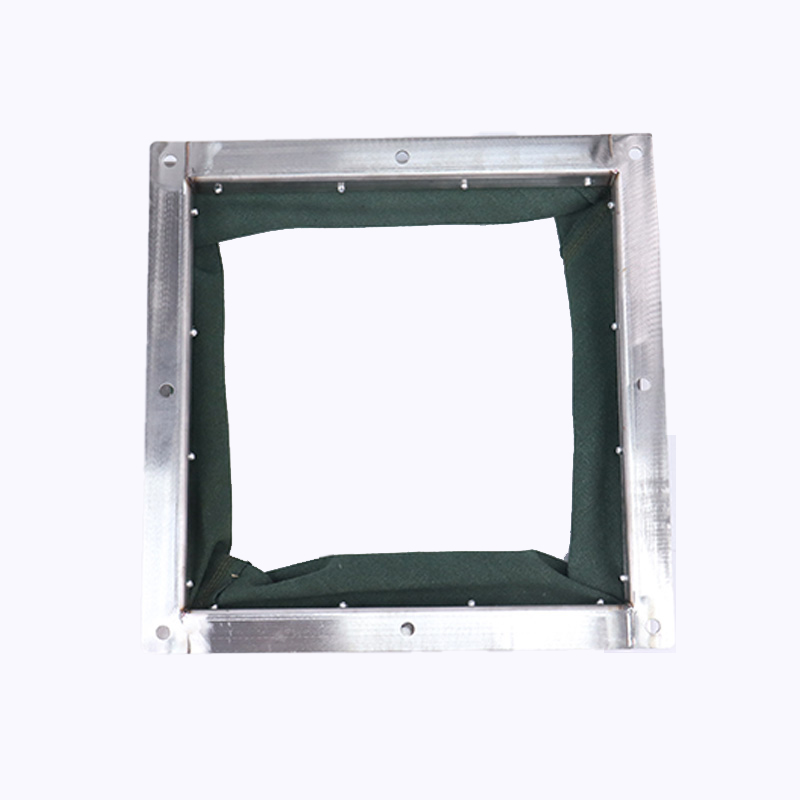
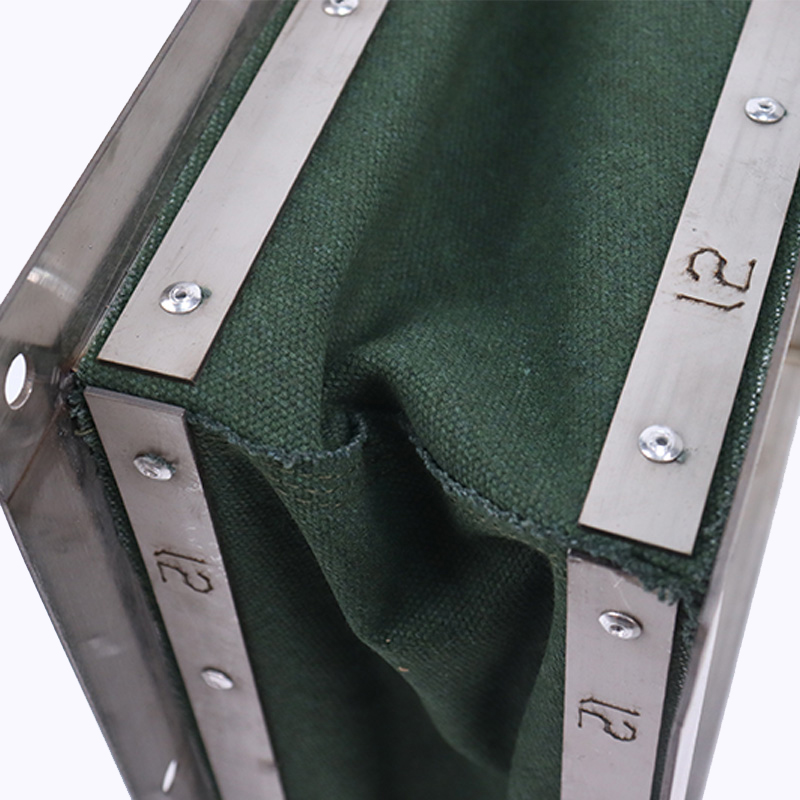
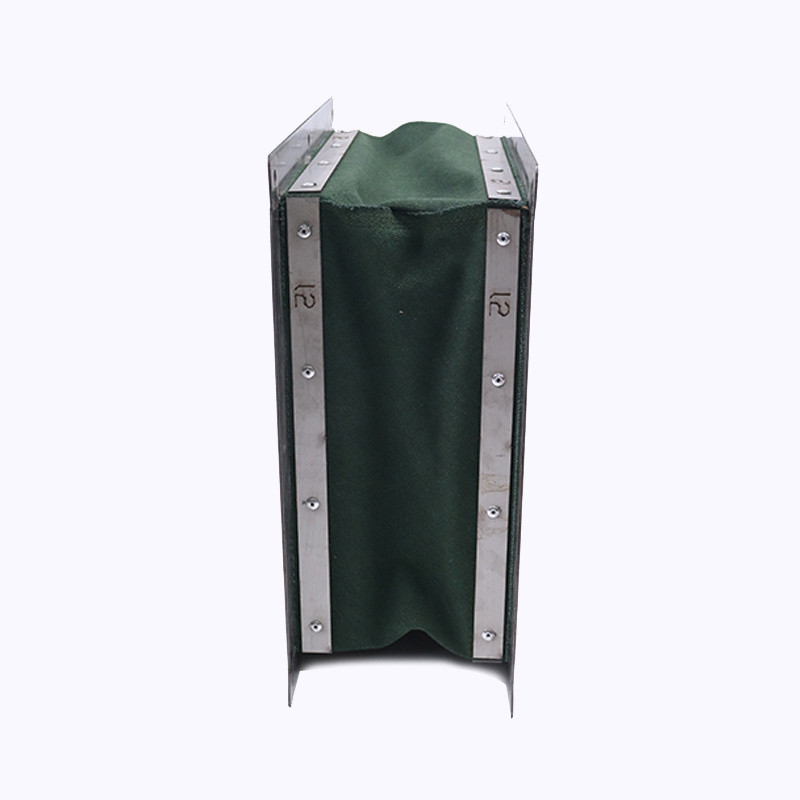
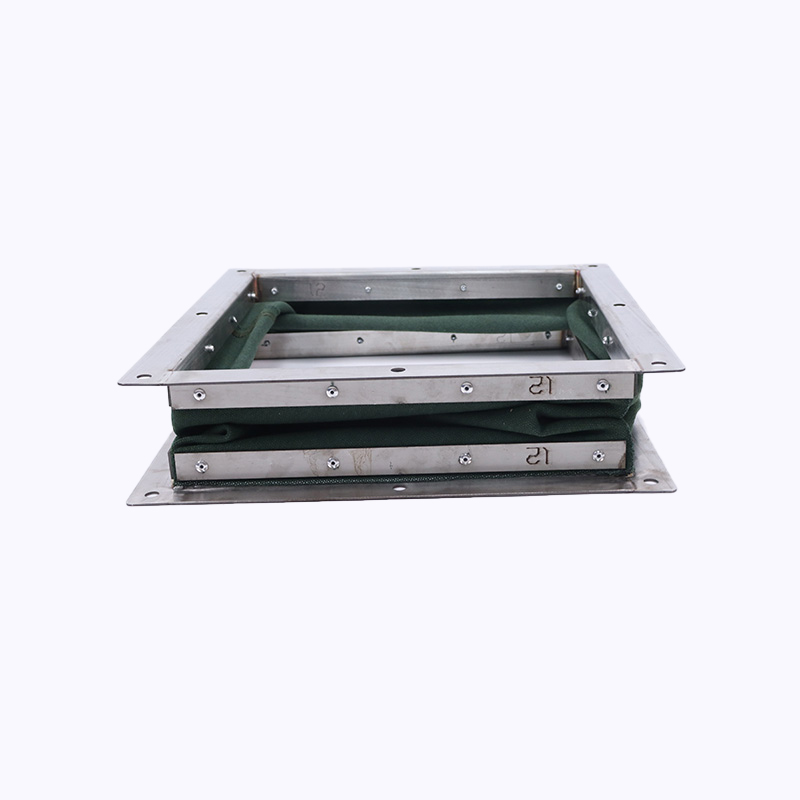
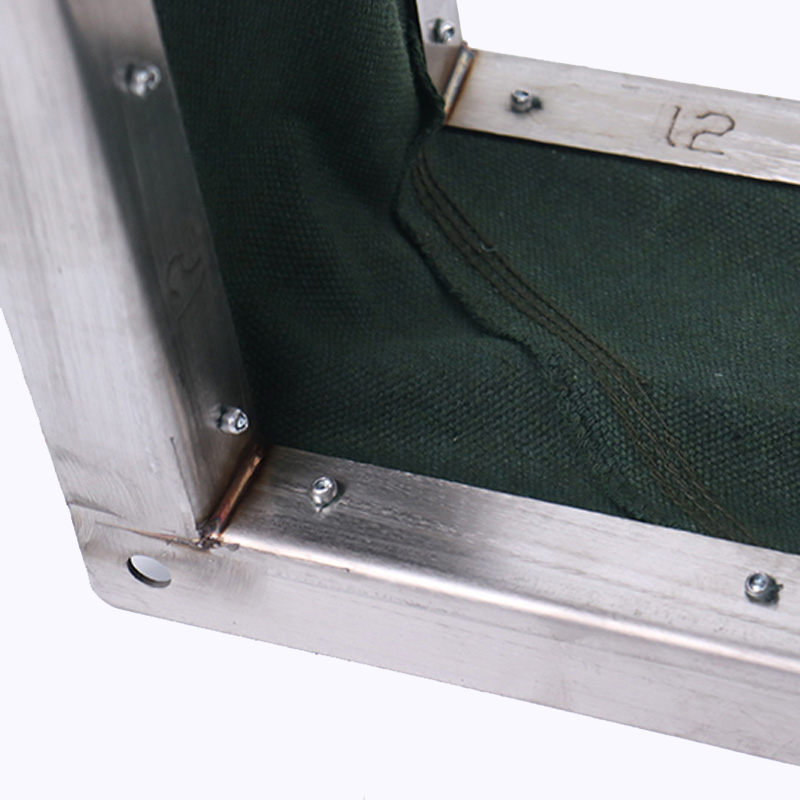
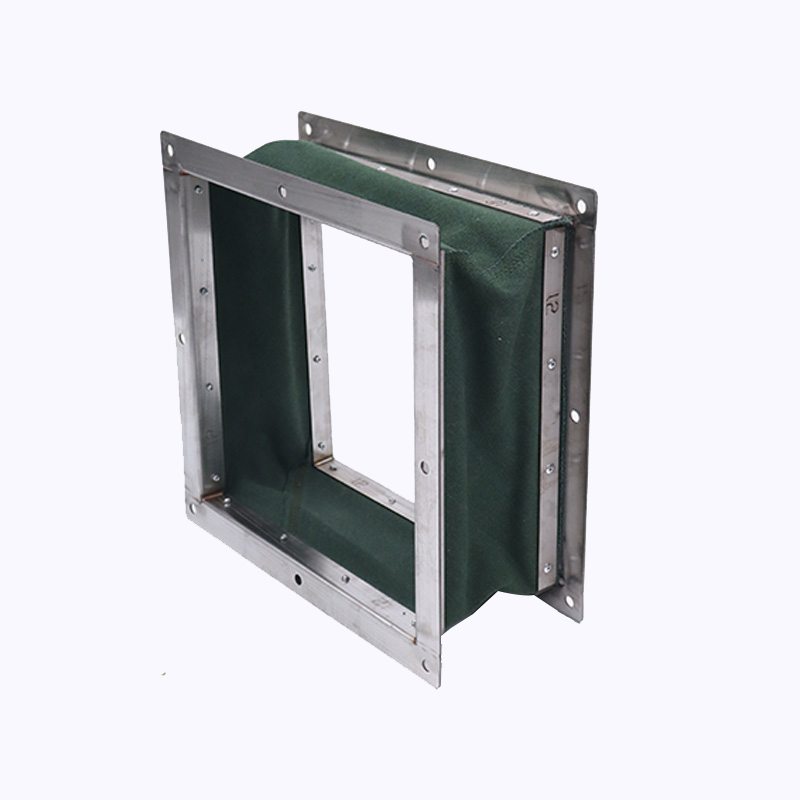
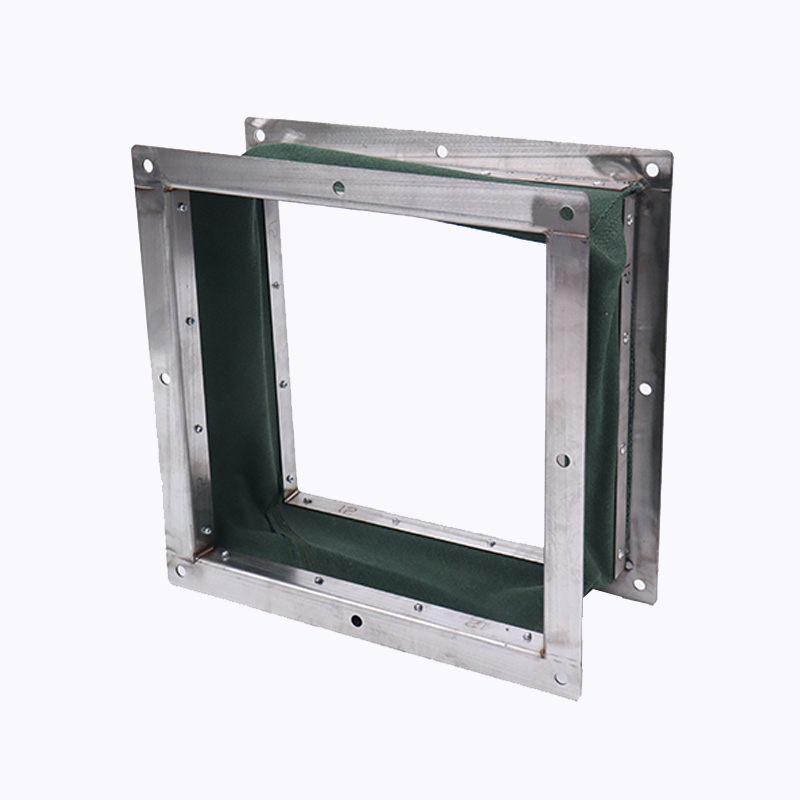
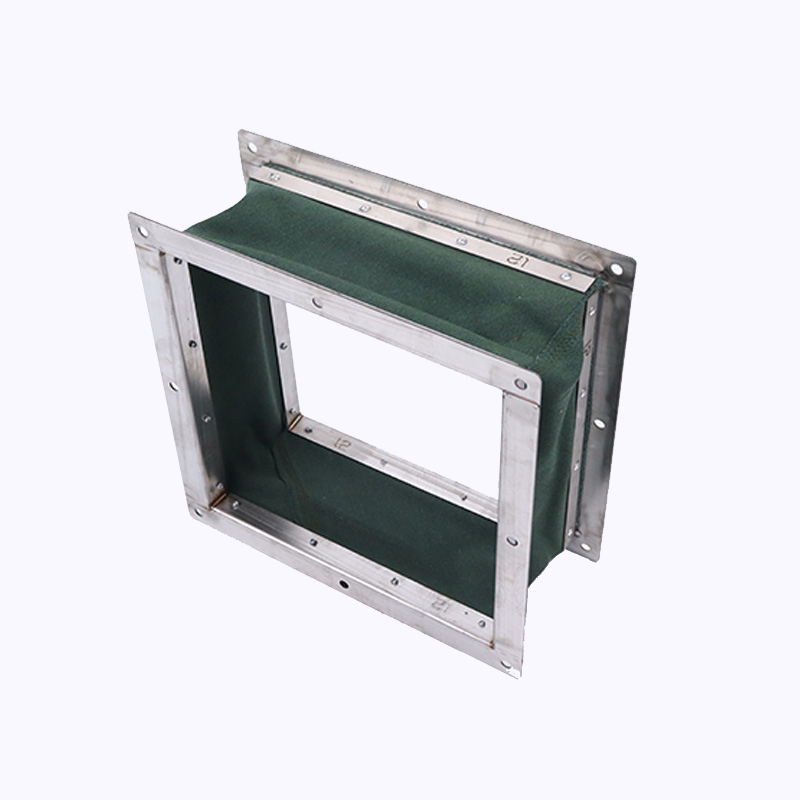
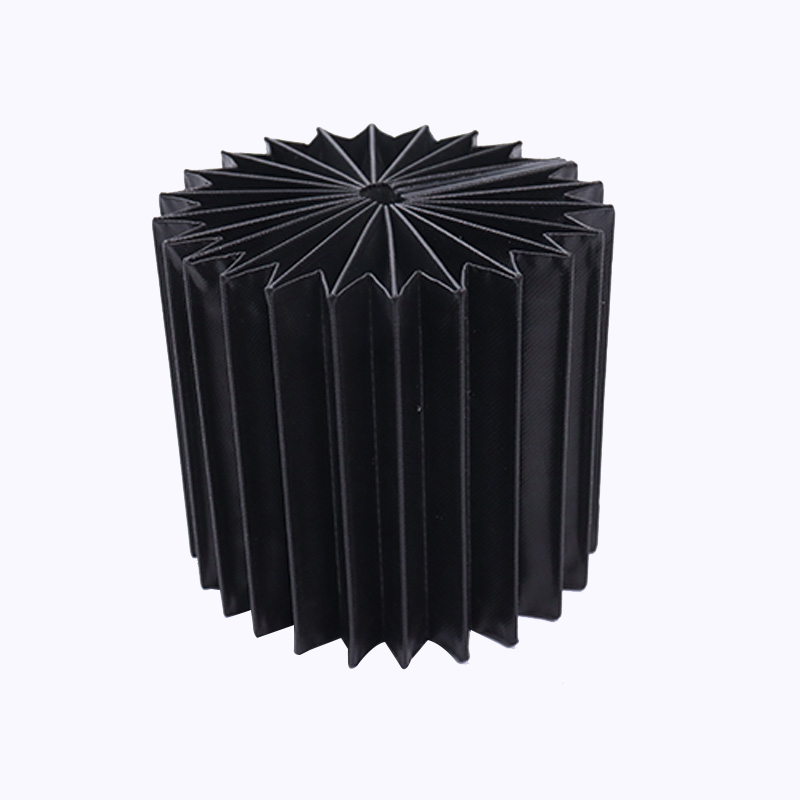
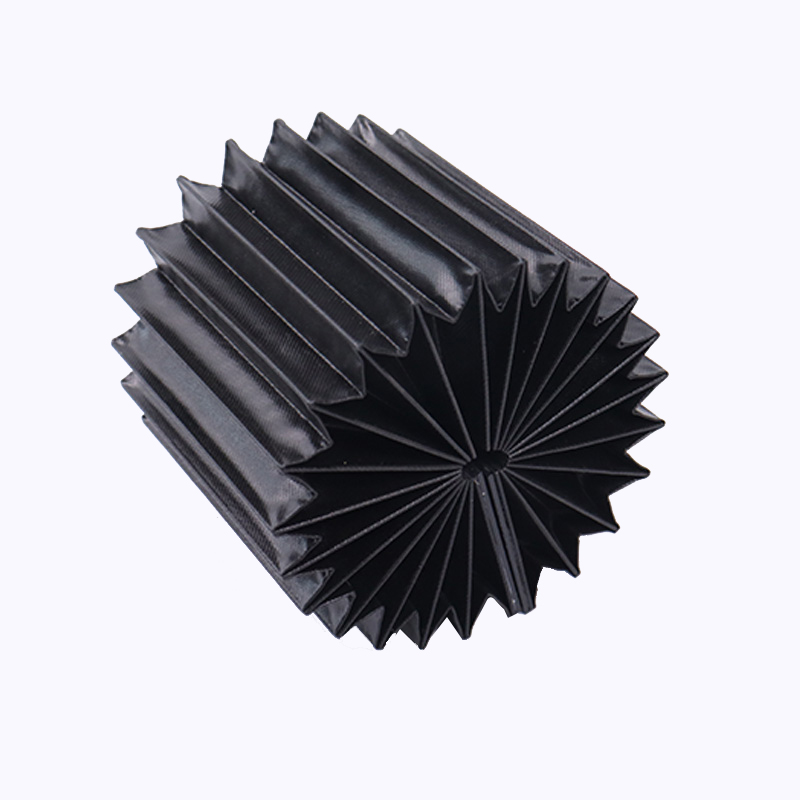
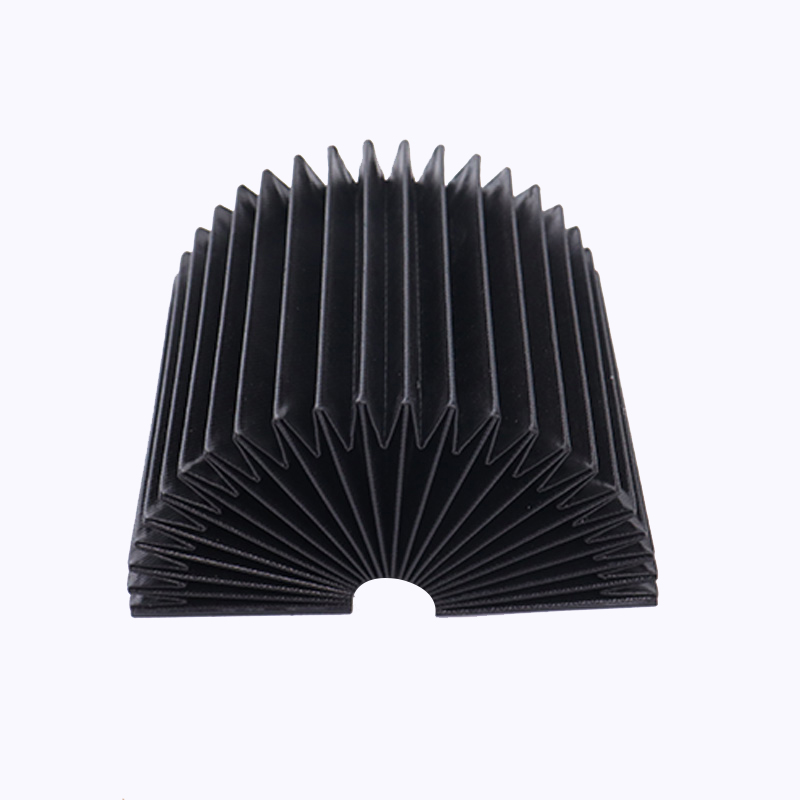
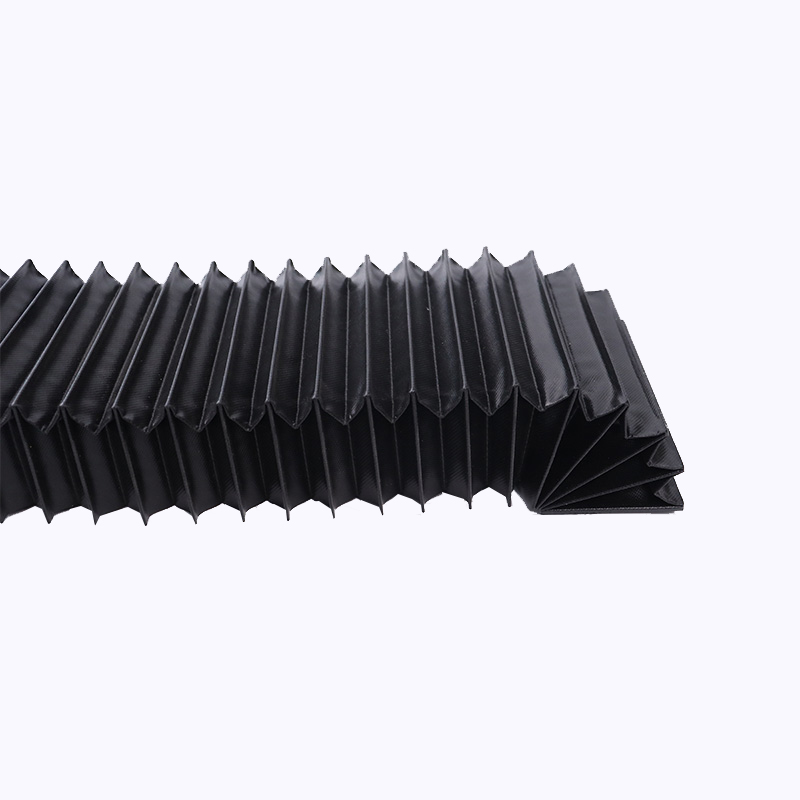
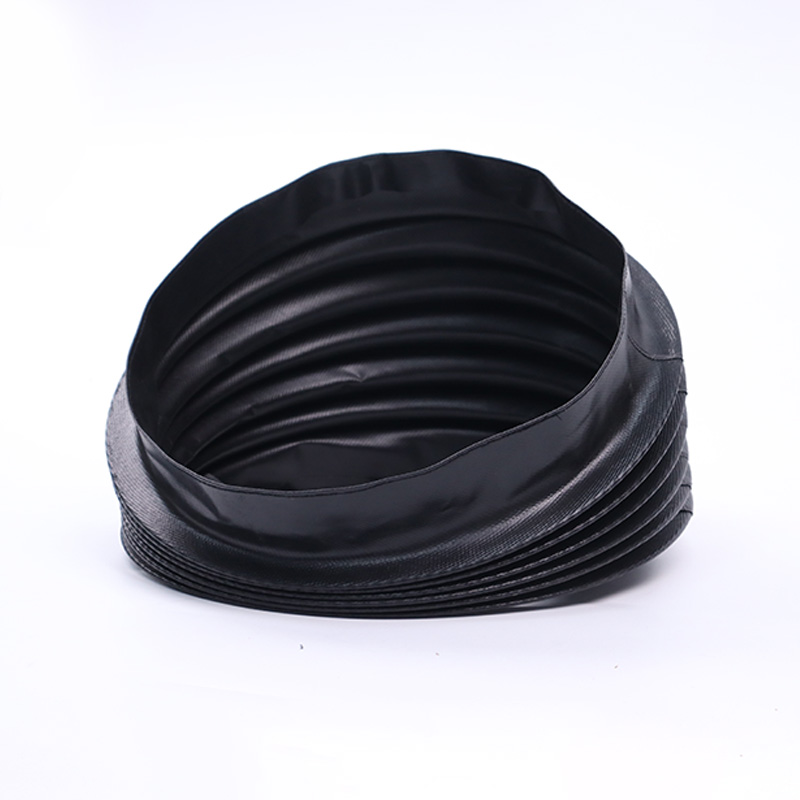
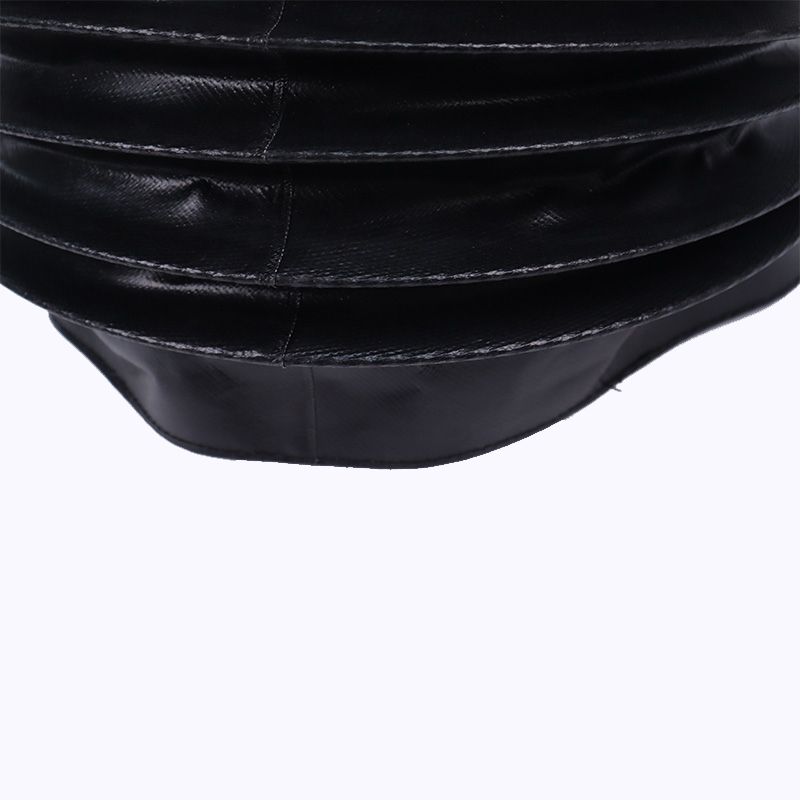
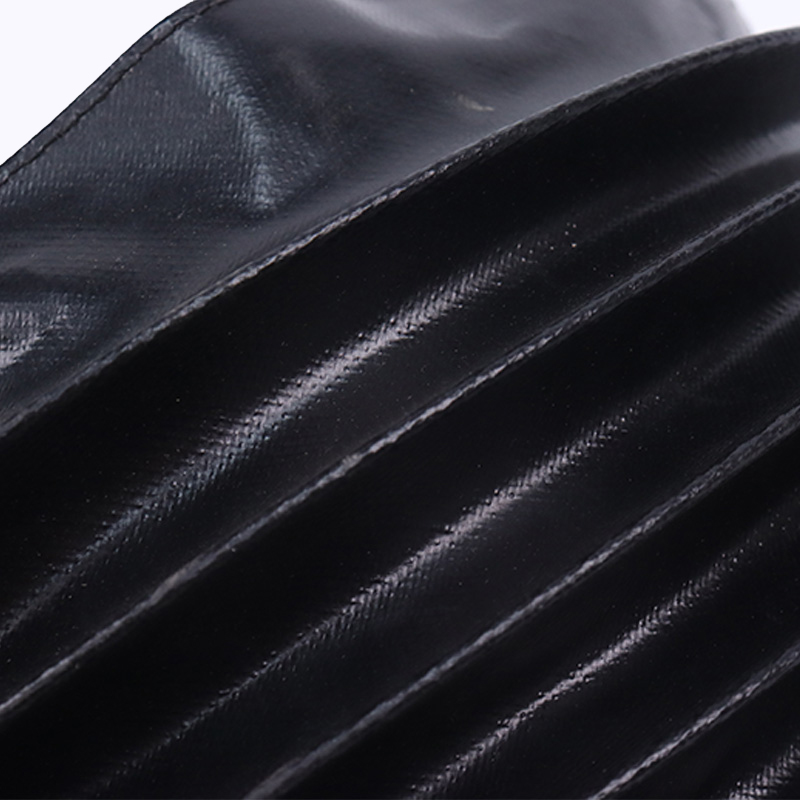
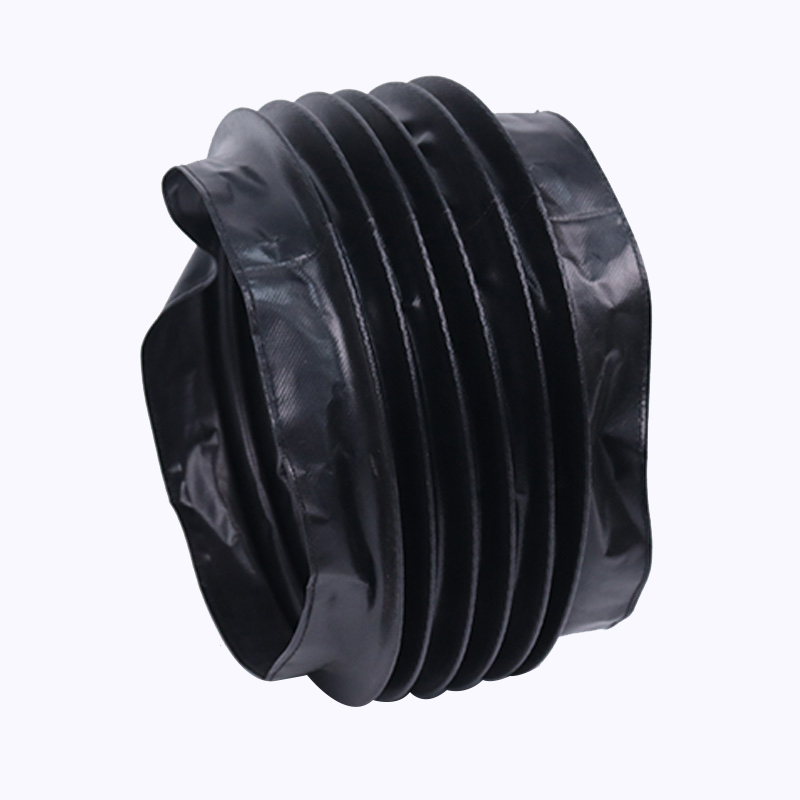
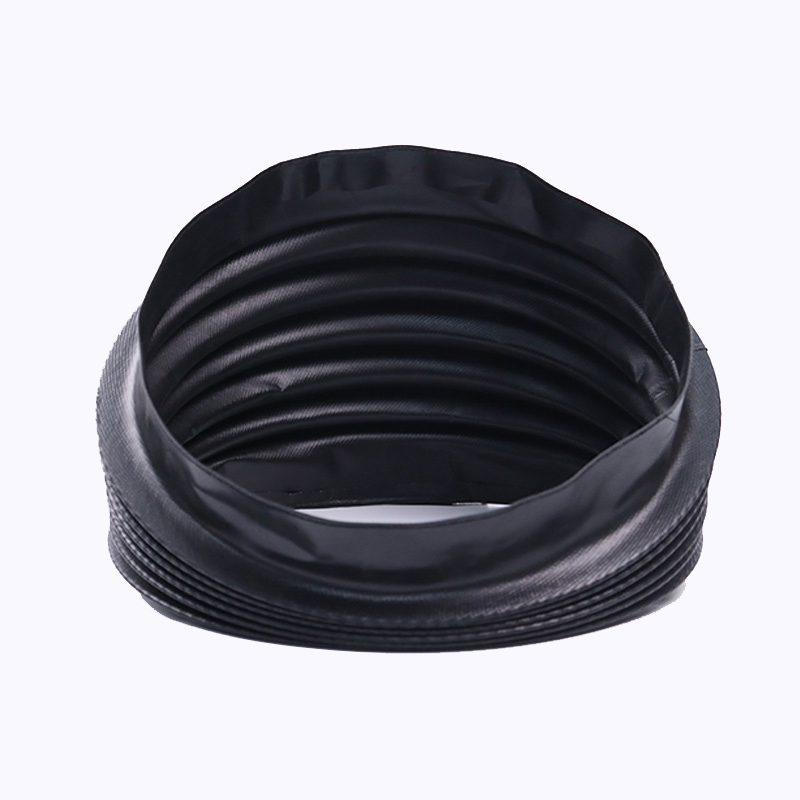
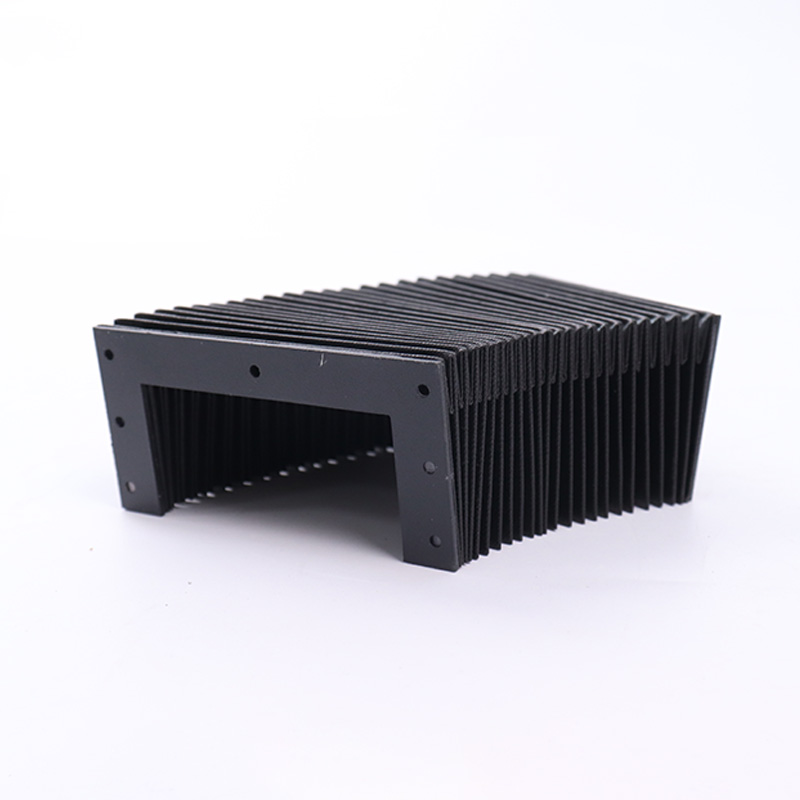
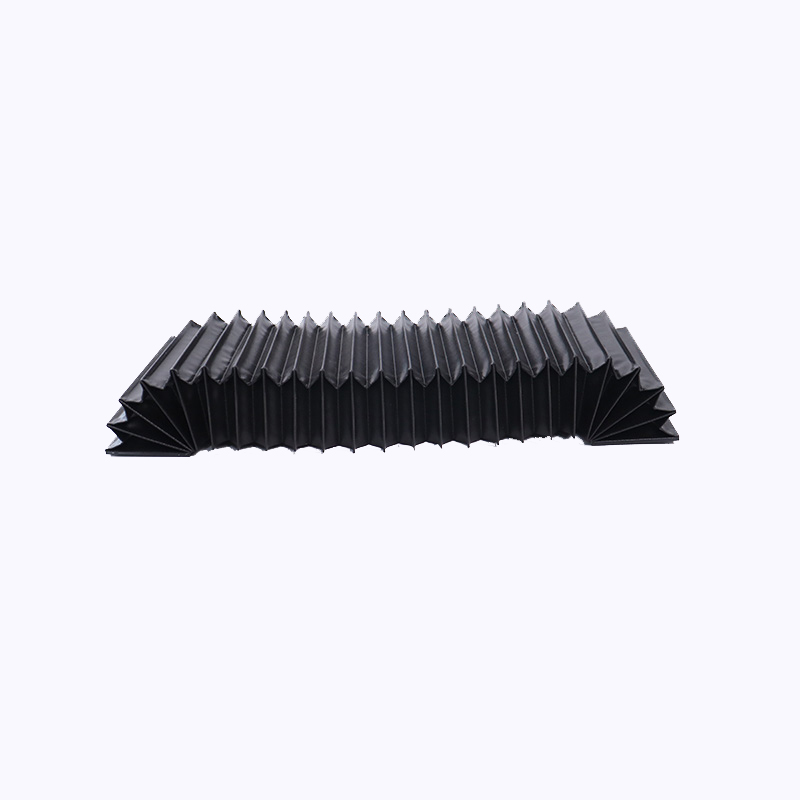
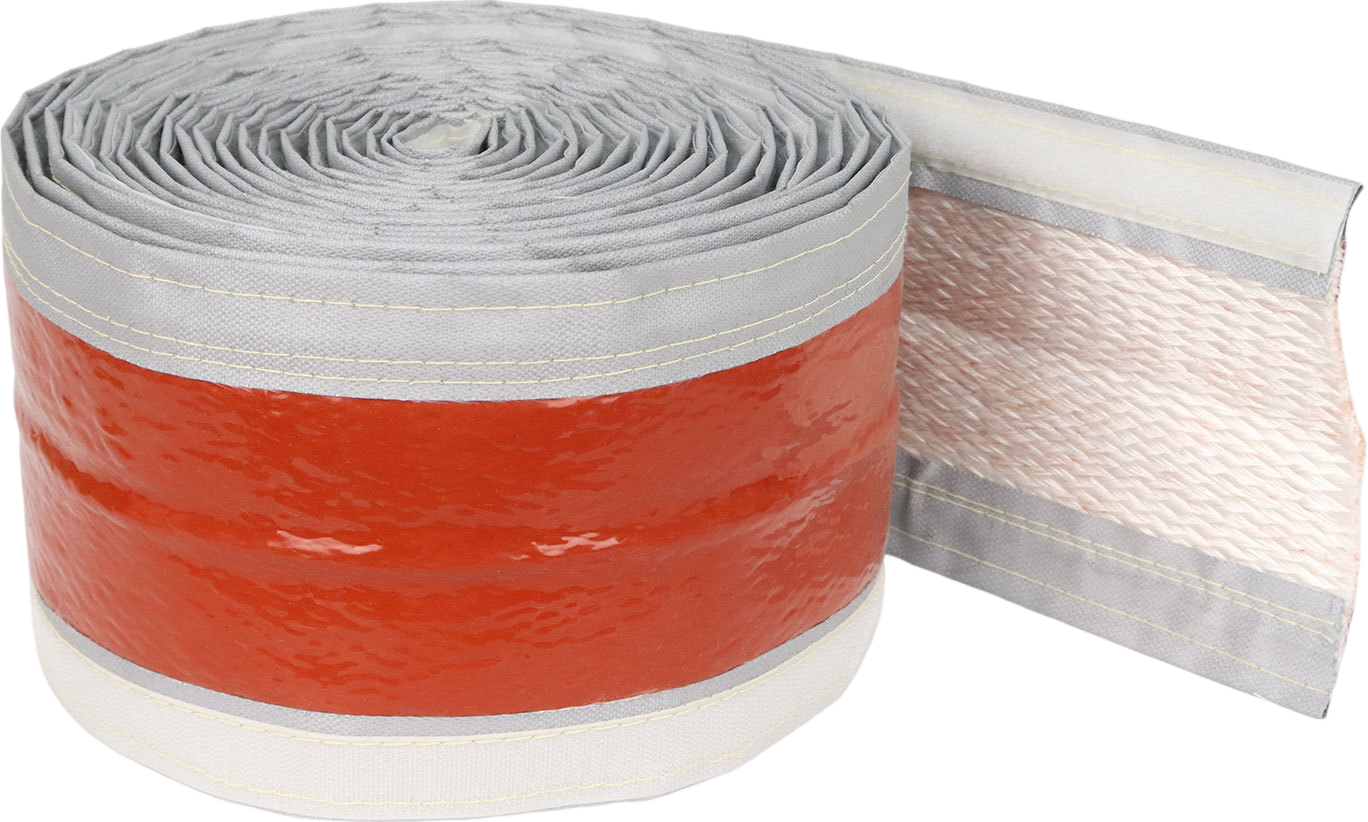
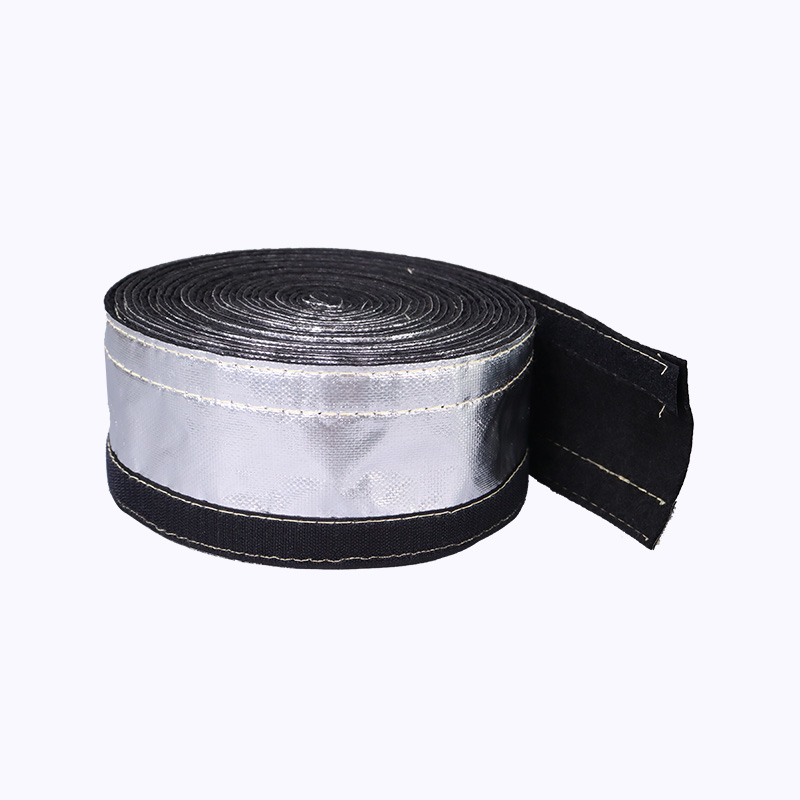
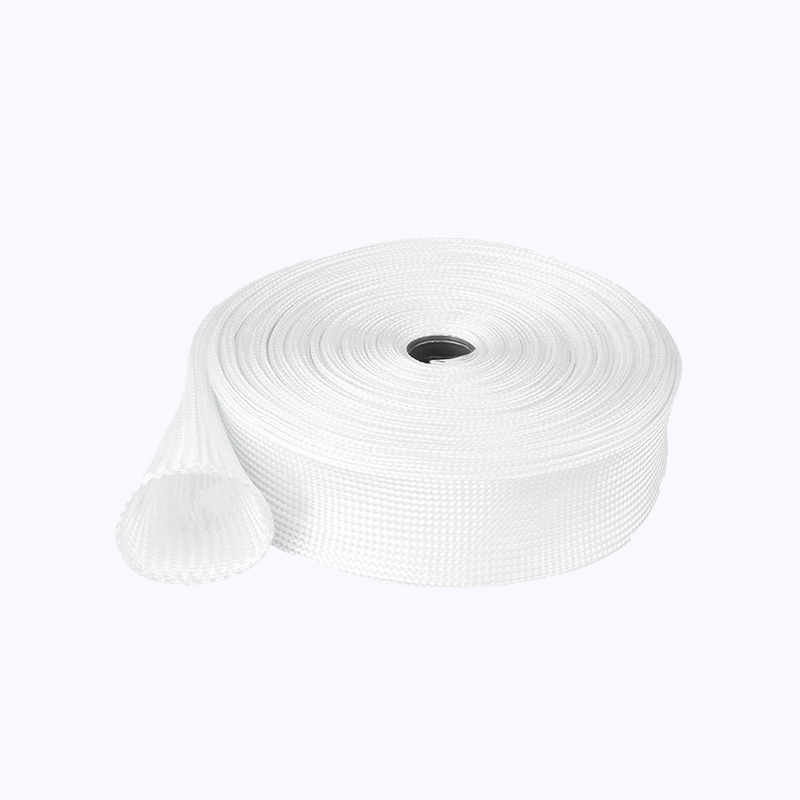
High-temperature thermal conductivity soft joint, also known as silicone connector, soft joint, soft joint, is a high temperature, corrosion resistance, high elasticity, high airtightness, media resistance, and climate resistance of pipeline joints. It has high internal densification, can withstand high pressure, and good elastic deformation effect. It is used for flange and clamp links, connection with pumps and valves, pipelines with high vibration, and pipelines with frequent hot and cold changes.
Product Introduction
This high-temperature hose connection, also known as a high-temperature rubber flexible joint, silicone flexible joint, or flexible connector, provides corrosion resistance, aging resistance, and wear resistance. It improves the safety and stability of piping systems. The joint exhibits high elasticity, high air tightness, media resistance, and weather resistance. It is used for flange and clamp connections, flexible joints and reducing sockets in building exhaust systems, and internal and external anti-corrosion layers of pipes and storage tanks, ensuring stable performance at specific operating temperatures.
Core Advantages
Product Features
Technical Specifications
| Parameter | Specification |
|---|---|
| Material | High-temperature silicone rubber (VMQ) |
| Continuous operating temperature | -40°C to +250°C |
| Short-term peak temperature | 350°C (less than 1 hour) |
| Pressure rating | 0.5-1.5 MPa (depending on size and reinforcement) |
| Vacuum rating | Full vacuum (0.1 MPa absolute) for most sizes |
| Available inner diameters | 25mm, 32mm, 40mm, 50mm, 65mm, 80mm, 100mm, 125mm, 150mm, 200mm, 250mm, 300mm, 350mm, 400mm, 500mm, 600mm |
| Standard length | 150mm, 200mm, 250mm, 300mm, 500mm, 1000mm (custom lengths available) |
| Flange materials | Carbon steel (Q235), Stainless steel 304, Stainless steel 316 |
| Reinforcement layers | 2-6 layers of fabric (dependent on pressure rating) |
| Hardness (Shore A) 那样50-70 Shore A | |
| Color | Red (standard), black, white, other colors available |
Application Scenarios
This high-temperature hose connection is suitable for building exhaust systems where flexible joints accommodate thermal expansion and vibration between duct sections, reducing stress on roof penetrations and equipment connections. Industrial process piping uses the joints to connect pumps, compressors, and vessels, isolating vibration and allowing small misalignments. Pipe and storage tank anti-corrosion layer systems incorporate the joints as flexible transition sections between rigid lined pipes. HVAC ductwork uses the connections for vibration isolation between air handling units and rigid ductwork, reducing noise transmission. Chemical processing lines benefit from the joint's chemical resistance and high-temperature capability. Wastewater treatment plant piping connections accommodate ground settlement and equipment vibration. Power plant cooling water systems use the joints between pumps and pipe headers for vibration isolation. Food and pharmaceutical processing lines utilize sanitary flange connections for compliance with hygiene standards.