English
 Español
 عربى
عربى

Content
- 1 What Are Fiberglass Fabric and High Silica Fabric?
- 2 Thermal Performance: Heat Resistance, Flame Barrier, and Thermal Shock
- 3 Flexibility, Drapeability, and Mechanical Handling
- 4 Cost Comparison: Unit Price vs. Lifecycle Value
- 5 Application Guide: Which Fabric Should You Specify?
- 6 Frequently Asked Questions
- 6.0.1 Q1: Can fiberglass fabric replace high silica fabric in every high-temperature area?
- 6.0.2 Q2: Is high silica fabric flexible enough for wrapping irregular pipes and manifolds?
- 6.0.3 Q3: Why is high silica fabric more expensive than fiberglass fabric?
- 6.0.4 Q4: When does the higher cost of high silica fabric pay off?
- 7 Final Recommendation: Match the Fabric to the Risk
Selecting a high-temperature resistant fabric is rarely a one-size-fits-all decision. Fiberglass fabric and high silica fabric both protect equipment from heat, flame, and radiant energy, but they sit at very different points on the temperature-performance curve. Understanding the differences in thermal performance, flexibility, and cost will help you avoid both over-specification and premature failure.
For a deeper look at how high silica fabric behaves in extreme plant environments, read our technical review of high silica fabric in industrial applications.
What Are Fiberglass Fabric and High Silica Fabric?
Fiberglass fabric is woven from fine glass filaments produced by melting silica sand with fluxing agents. Its combination of moderate heat resistance, mechanical strength, and low cost makes it one of the most widely used industrial textiles. High silica fabric also starts as glass fiber, but it goes through an acid-leaching process that dissolves most non-silica oxides, leaving a textile with a silica content above 96%.
That chemical difference changes everything downstream: melting point, continuous service temperature, and behavior under thermal shock. Both fabrics are available in plain, twill, and satin weaves, and both can be coated with aluminum foil, silicone rubber, or refractory fillers for more demanding duties.
Fiberglass Fabric
Continuous temperature: 260–550°C
Melting point: ~680°C
Relative cost: low
Drape: moderate
High Silica Fabric
Continuous temperature: up to 1000°C
Melting point: >1700°C
Relative cost: high
Drape: soft and conformable
Thermal Performance: Heat Resistance, Flame Barrier, and Thermal Shock
The most important difference is the temperature ceiling. Fiberglass fabric performs dependably between 260°C and 550°C, depending on yarn quality and weave density. When temperatures climb above that window, glass filaments soften, lose tensile strength, and become brittle. At roughly 680°C the fabric begins to melt, which makes fiberglass a poor choice for furnace skirts, kiln curtains, and exhaust components exposed to sustained radiant heat.
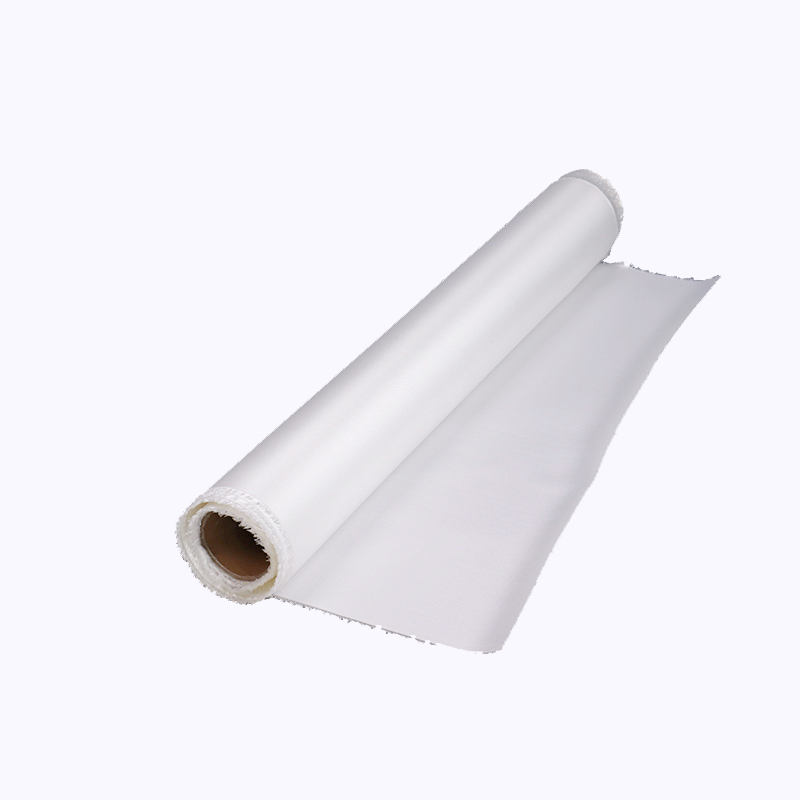
High silica fabric is engineered for exactly those conditions. It tolerates continuous service at 1000°C, survives short excursions far above that level, and resists the thermal cycling that quickly destroys ordinary glass textiles. In direct flame exposure, high silica maintains its structure and continues to act as a barrier while fiberglass slumps and opens up.
| Property | Fiberglass Fabric | High Silica Fabric |
|---|---|---|
| Continuous service temperature | 260–550°C | 800–1000°C |
| Melting point | ~680°C | >1700°C |
| Flame resistance | Good | Excellent |
| Thermal shock resistance | Moderate | Excellent |
| Radiant heat reflection with coating | Very good | Good |
When continuous heat exceeds the safe range of ordinary glass, switching to high silica fabric is the most straightforward upgrade.
 High Silica FabricProduct IntroductionView Product →
Flexibility, Drapeability, and Mechanical Handling
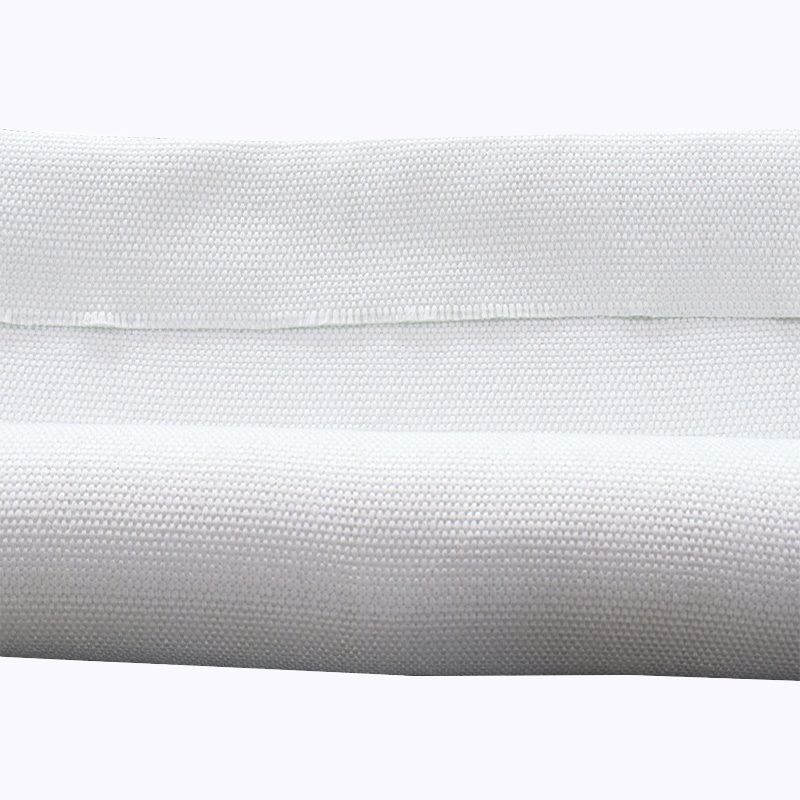
Flexibility determines how easily a fabric wraps around pipes, manifolds, and irregular equipment. Fiberglass fabric is workable but can feel stiff in heavy weaves, and cutting it releases fine filaments that irritate skin. High silica fabric is noticeably softer and more pliable, conforming around tight bends and flanges with less springback and fewer loose fibers.
Both fabrics are strong at room temperature, but they behave differently under heat. Fiberglass retains a higher percentage of its strength at moderate temperatures and offers excellent dimensional stability. High silica holds a greater fraction of its strength at extreme temperatures, which matters more in a real hot zone. If the finished part will see repeated flexing or vibration, consider a coated construction that adds a wear layer.
- Cutting and sewing: fiberglass cuts cleanly but dulls blades; high silica sews cleanly and holds seams at temperature.
- Weight: fiberglass is lighter for equal thickness; high silica is denser and drapes with more body.
- Installation: high silica conforms to tight radii, reducing the number of clamps and fasteners required.
For moderate-temperature areas where weight, flexibility, and economy matter most, fiberglass fabric remains the plant workhorse.
 Fiberglass FabricProduct IntroductionView Product →
Cost Comparison: Unit Price vs. Lifecycle Value
On a per-square-meter basis, fiberglass fabric is the clear winner. Raw materials are inexpensive, weaving capacity is abundant, and finishing costs are low. High silica fabric costs more because the acid-leaching process is slow, consumes chemicals and energy, and produces a lower yield per tonne of input. It will always carry a premium at the purchase order stage.
Lifecycle cost can flip the calculation. In a hot zone, fiberglass fabric may need replacement every few weeks, while high silica keeps protecting for months. If downtime, labor, and line stoppages are expensive, the premium fabric often delivers a lower cost per month of service. Below 400°C, however, paying for high silica usually adds no operational benefit.
| Cost Factor | Fiberglass Fabric | High Silica Fabric |
|---|---|---|
| Raw material cost | Low | High |
| Fabrication and finishing cost | Low | Moderate |
| Replacement frequency in hot zones | High | Low |
| Lifecycle cost above 550°C | Higher | Lower |
| Lifecycle cost below 400°C | Lower | Higher |
Many plants use both fabrics: fiberglass for cooler zones and general mechanical protection, high silica for the hot spots that would otherwise shut down production.
Application Guide: Which Fabric Should You Specify?
Specification starts with peak temperature, then adds flame contact, thermal cycling, abrasion, and budget. Use these guidelines to narrow the field:
- Choose fiberglass fabric for temperatures below 500°C: dust collector ducts, moderate exhaust shielding, cable trays, and general pipe lagging.
- Choose high silica fabric where flames or molten metal are present: furnace curtains, ladle and tundish covers, welding blankets, turbocharger and manifold shielding.
- Choose coated versions when oil, weather, or abrasion is a factor; a silicone rubber, aluminum foil, or refractory coating extends the life of either substrate.
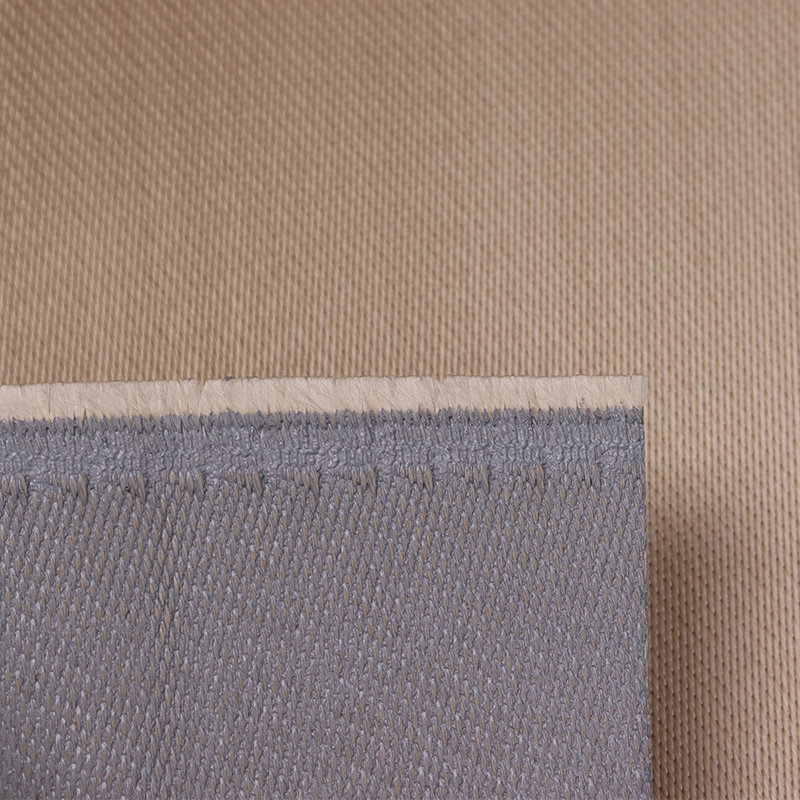
In automotive and marine applications, coated high silica fabric is frequently specified for turbo and exhaust heat shielding because it resists radiant heat and wraps complex shapes tightly. For large removable blankets and curtains, uncoated high silica provides the best balance of temperature rating, softness, and sewability.
Where hot surfaces face oil, weather, or mechanical wear, a coated construction dramatically extends service life.
 High Silica Coating FabricHigh-silicone-oxygen fibre-coated cloth, which consists of a high-silicone-oxygen fibre base cloth and a high-temperature adhesive coating, in which the high-temperatu...View Product →
Frequently Asked Questions
Q1: Can fiberglass fabric replace high silica fabric in every high-temperature area?
No. Fiberglass fabric degrades quickly above 550°C, losing strength and eventually melting around 680°C. High silica fabric is rated for continuous use at 1000°C and should be specified wherever temperatures exceed the safe working range of glass.
Q2: Is high silica fabric flexible enough for wrapping irregular pipes and manifolds?
Yes. High silica fabric has a soft, conformable hand that wraps tightly around bends, flanges, and tapered surfaces with less springback than standard fiberglass. It is also available as wrap tape for spiral application on exhaust lines and process piping.
Q3: Why is high silica fabric more expensive than fiberglass fabric?
The acid-leaching production process removes most non-silica oxides from glass filaments, raising silica content to more than 96%. Additional processing steps, lower yields, and higher-grade raw materials drive up unit cost. In return, you get a much higher temperature ceiling and longer service life in hot zones.
Q4: When does the higher cost of high silica fabric pay off?
When continuous operating temperature exceeds 550°C, when processes involve molten metal, direct flame, or severe thermal cycling, or when downtime for replacement is expensive. In these cases, high silica fabric usually delivers a lower cost per month of service than fiberglass.
Final Recommendation: Match the Fabric to the Risk
Start with fiberglass fabric for routine heat protection where temperatures stay moderate and budgets are tight. Move to high silica fabric anywhere heat exceeds 550°C, where flame is present, or where failure would stop production and create a safety hazard. Buying both is a practical strategy for plants with a wide range of hot spots.
If you are still unsure, document the operating temperature, the type of heat source, mechanical conditions, and expected service life, then compare the two fabrics against those numbers. The right answer is the one that keeps equipment running at the lowest total cost.