English
 Español
 عربى
عربى

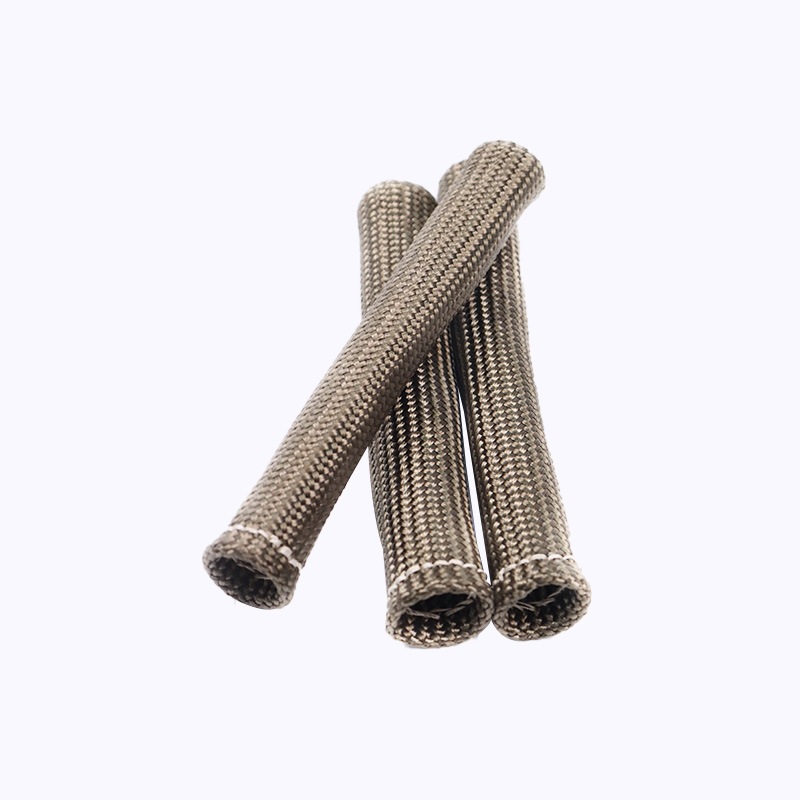
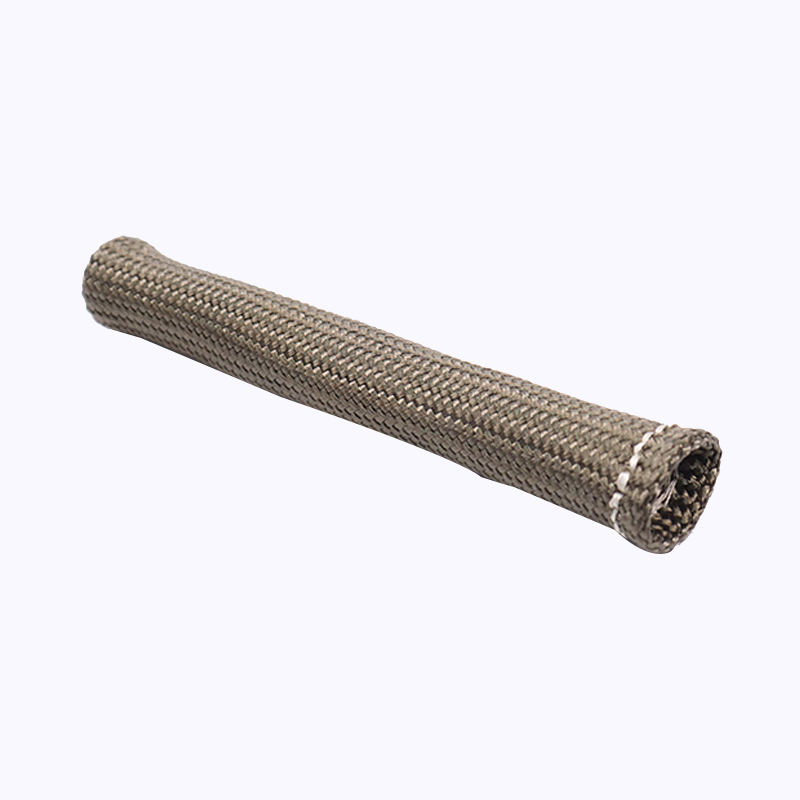
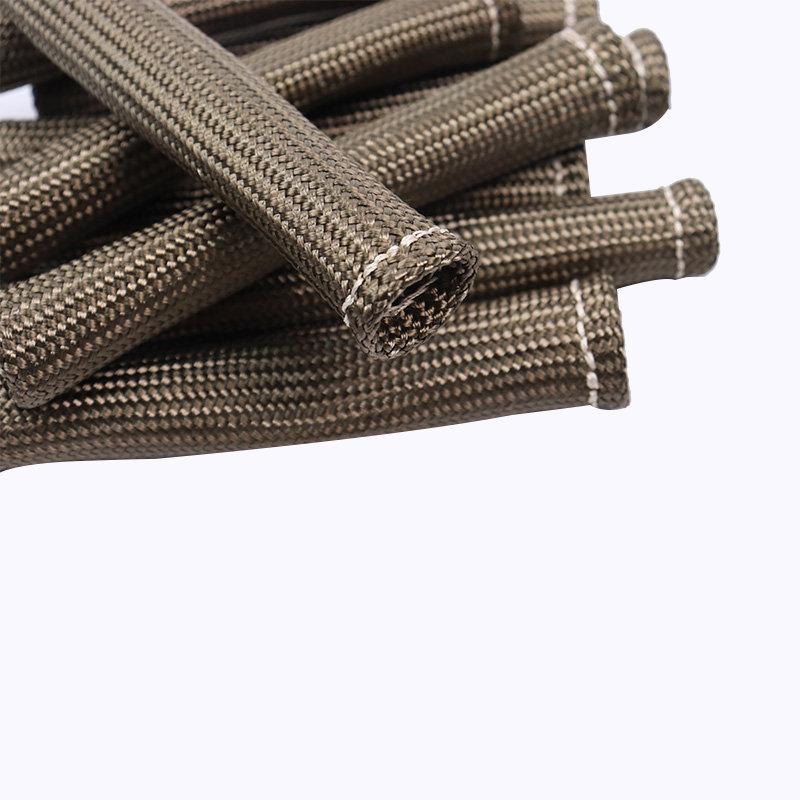
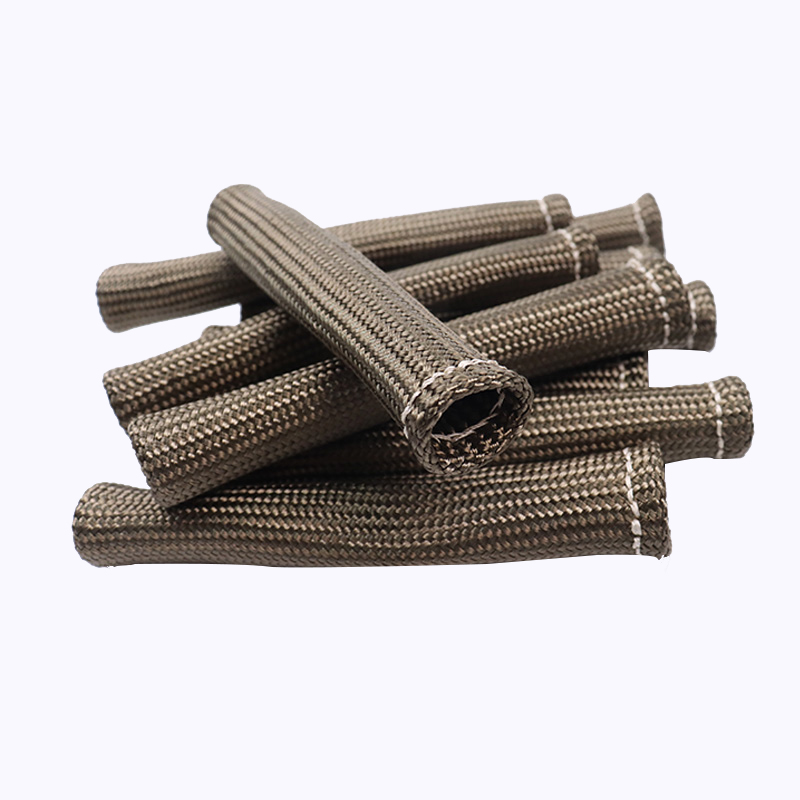
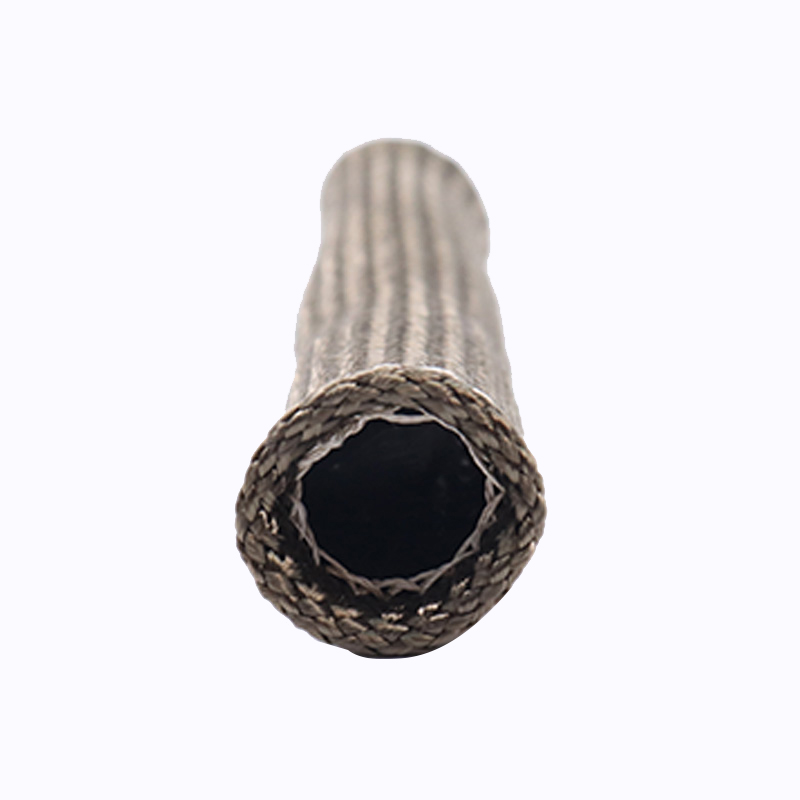
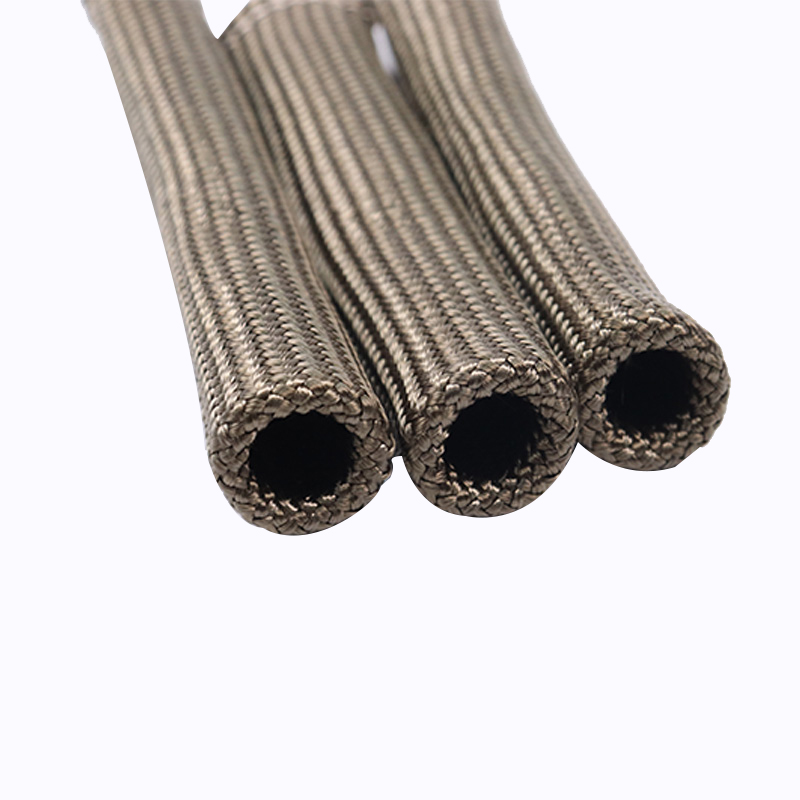
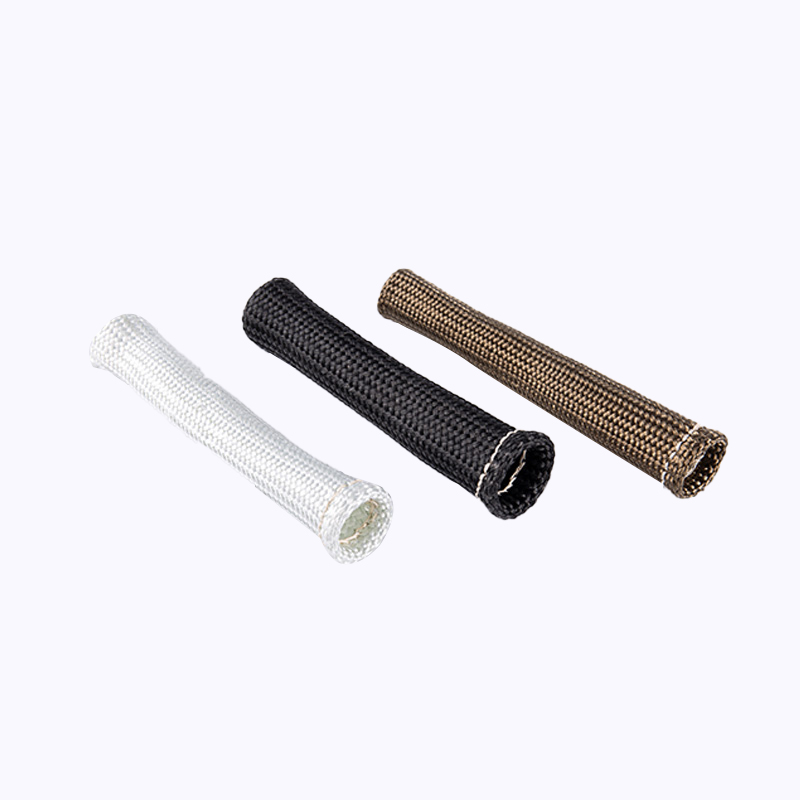
Product Introduction
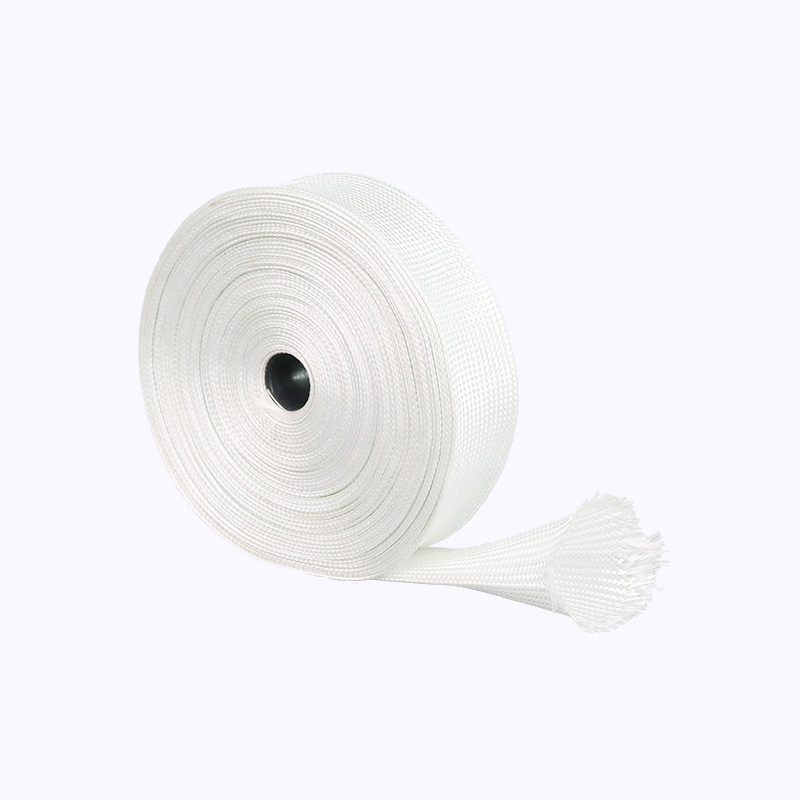
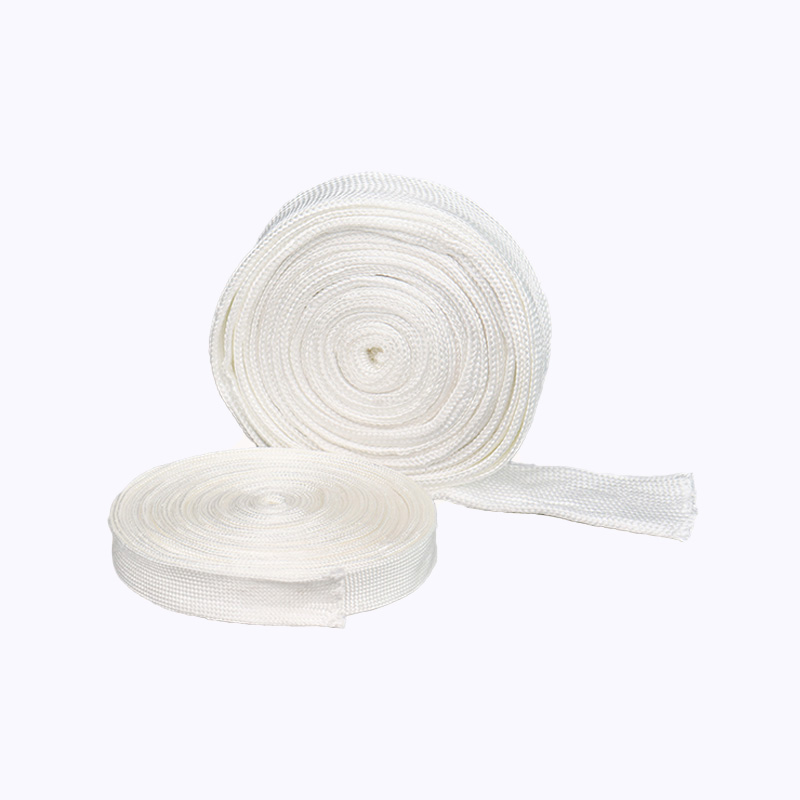
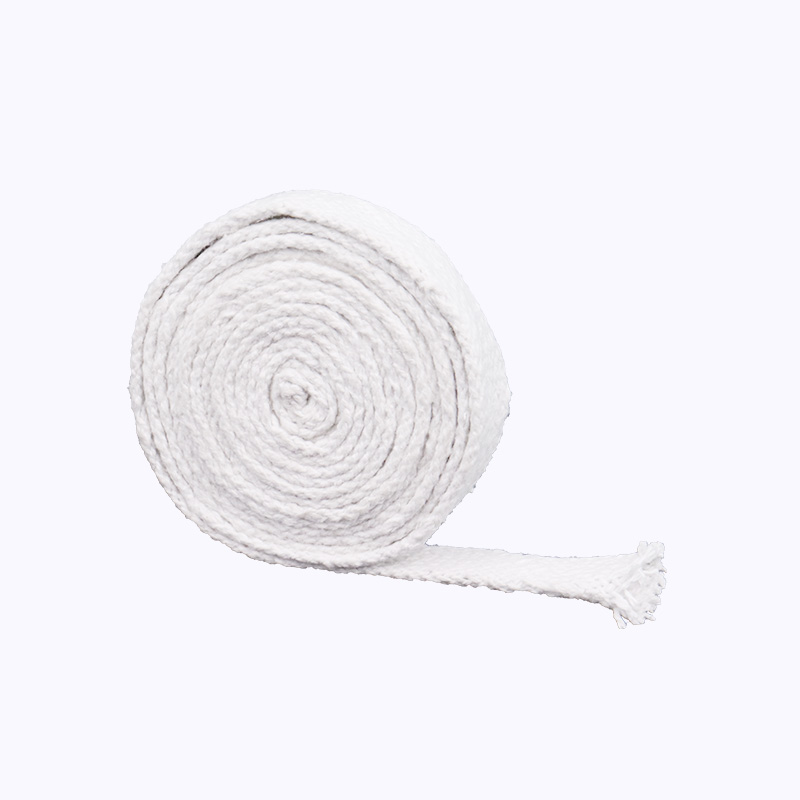
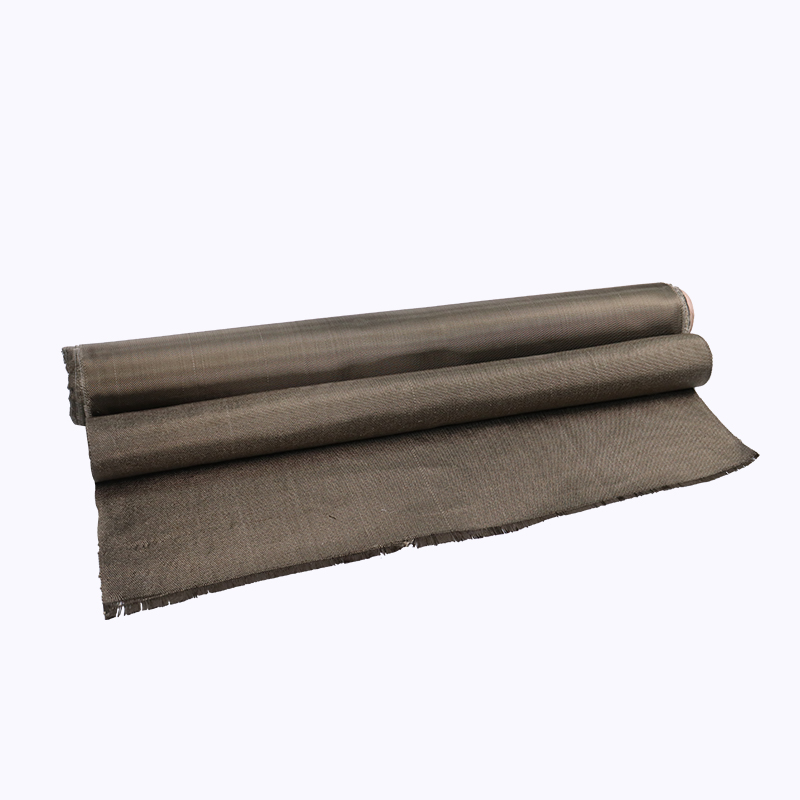
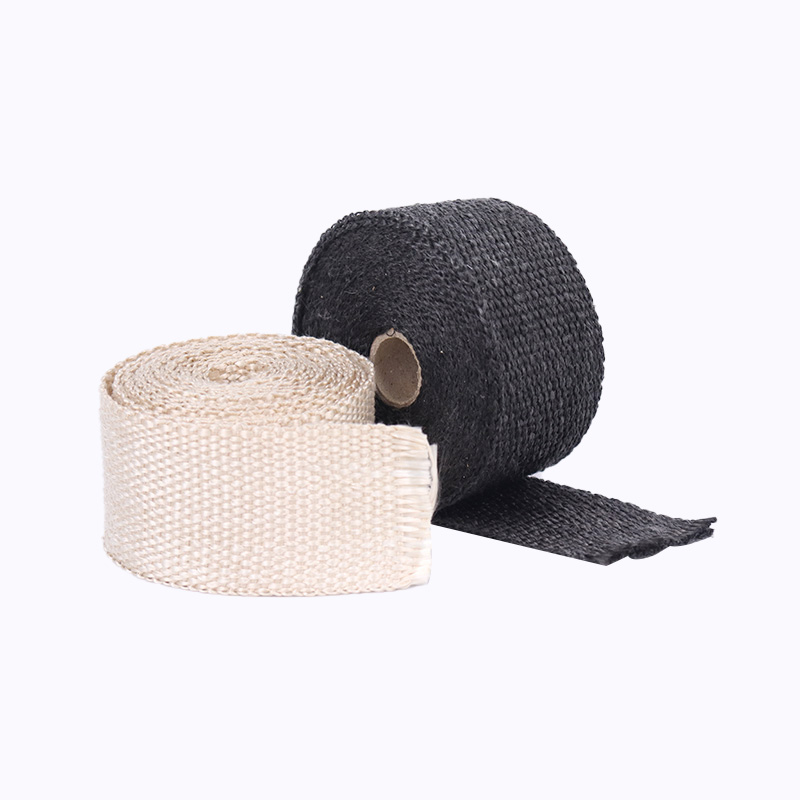
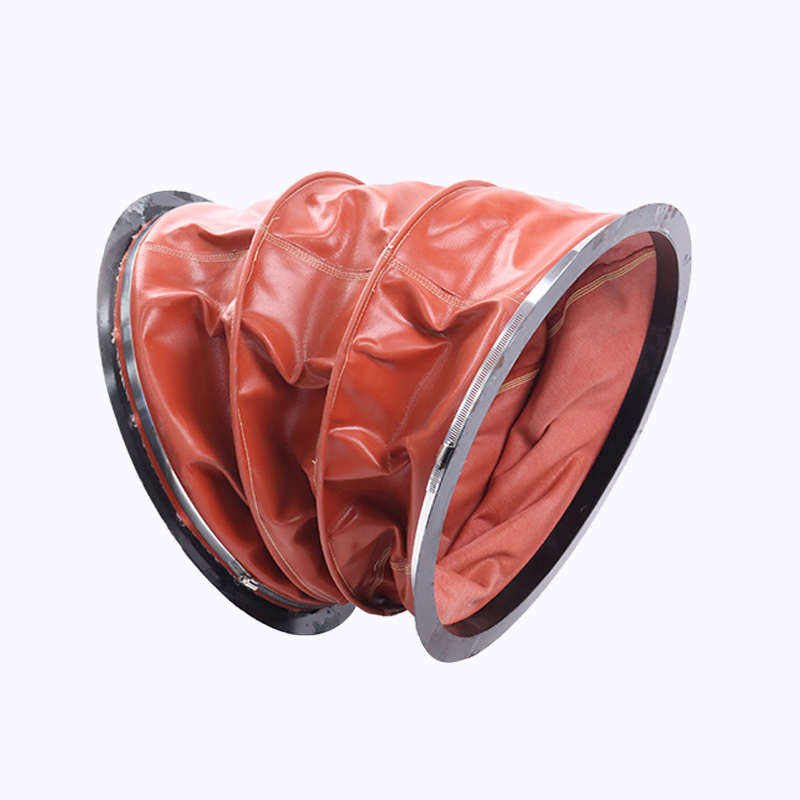
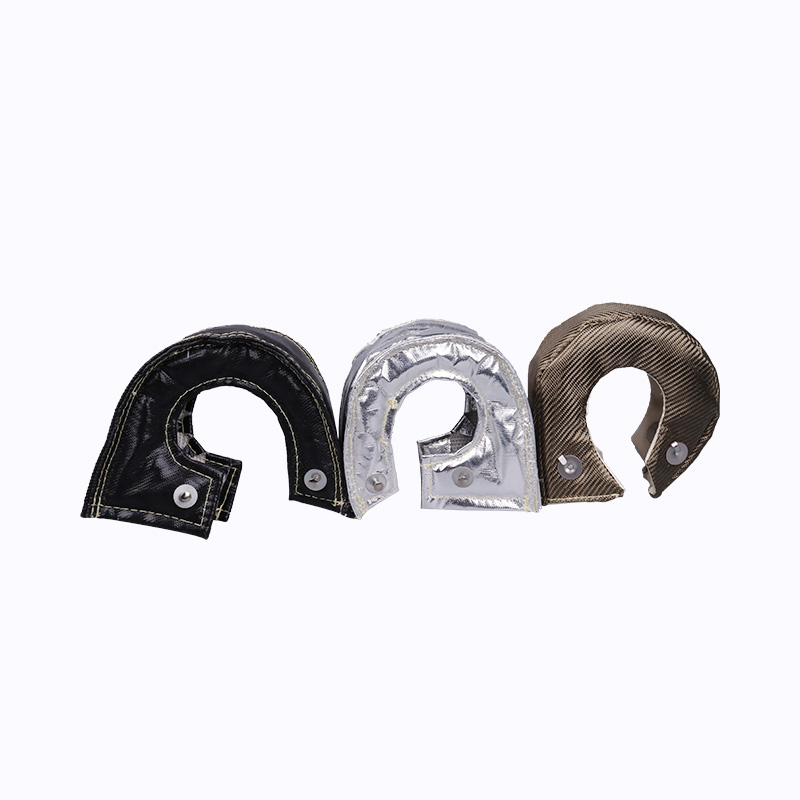
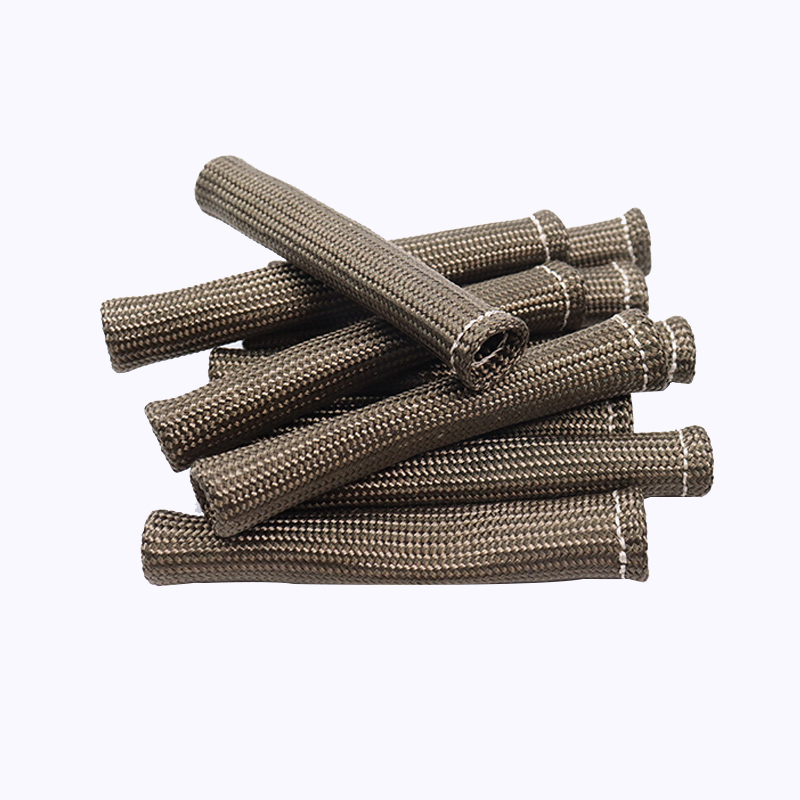
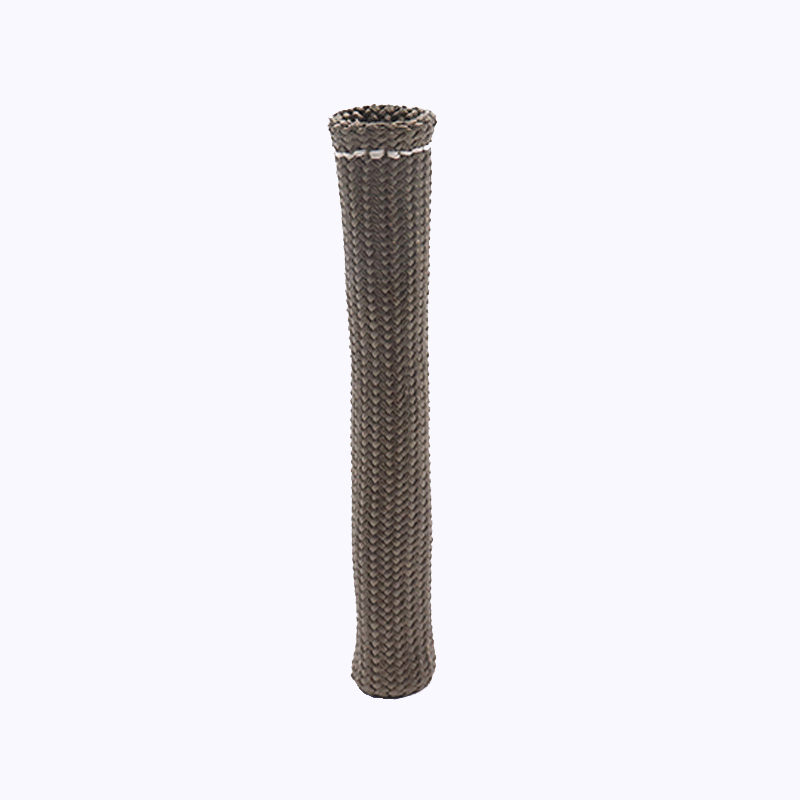
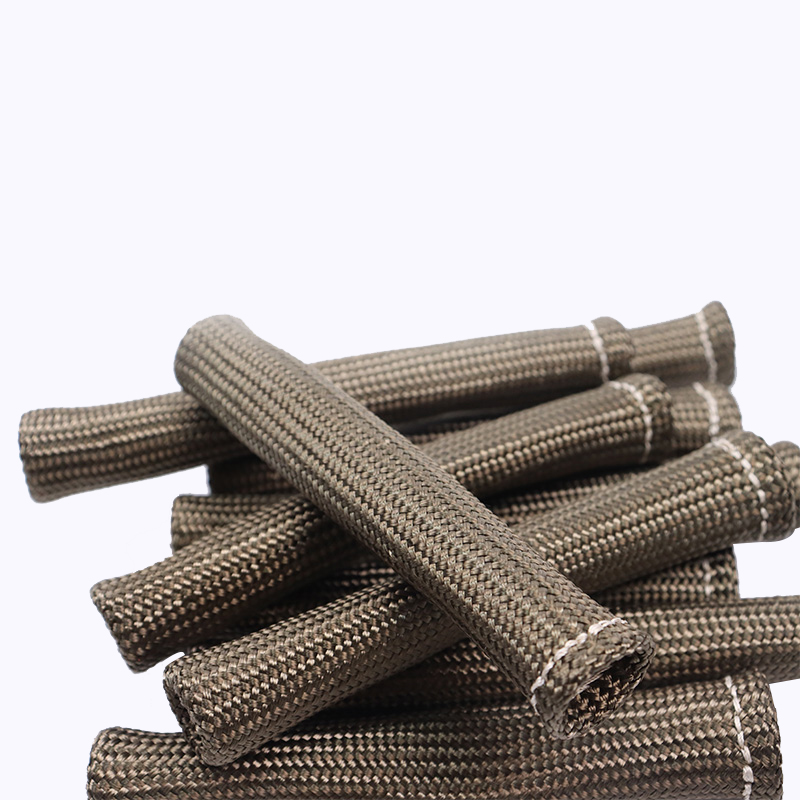
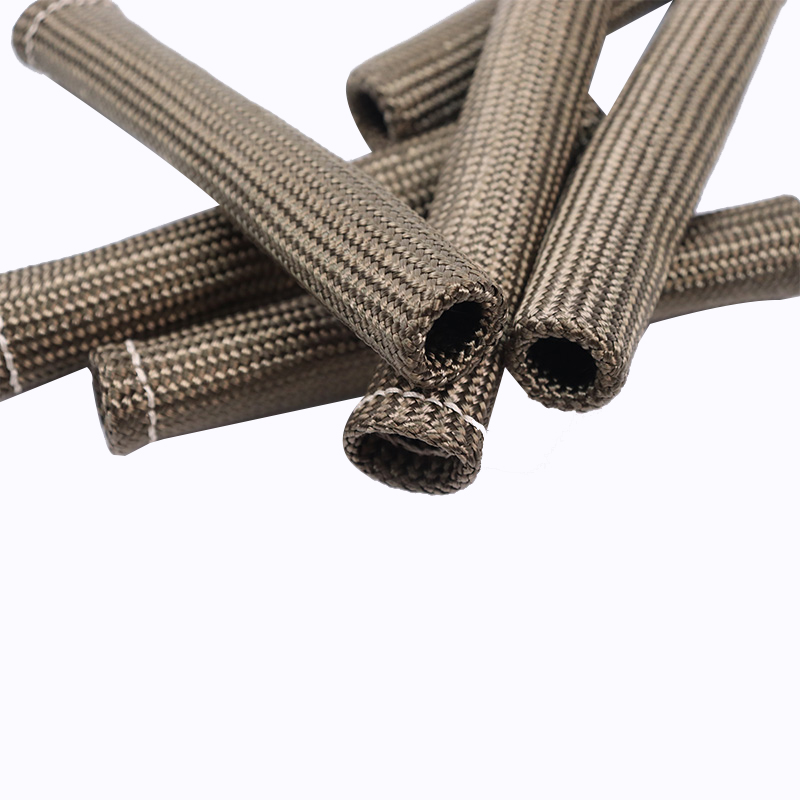
This spark plug boot protector is manufactured from volcanic rock-based material that resists heat, chemicals, and dirt. The material provides durability, strength, and remains soft and flexible after exposure to high temperatures. High-horsepower engines generate elevated temperatures that can cause ignition wire hardening and cracking, potentially leading to engine misfire and ignition system malfunction. The spark plug boot protector shields ignition wires from direct heat exposure. The continuous working temperature reaches 800°C, with instantaneous temperature resistance up to 1200°C. The conventional inner diameter is 20mm. Other specifications can be customized.
Core Advantages
Product Features
Technical Specifications
| Parameter | Specification |
|---|---|
| Continuous operating temperature | 800°C |
| Instantaneous peak temperature | 1200°C (less than 30 seconds) |
| Standard inner diameter | 20mm |
| Custom inner diameters | 16mm, 18mm, 22mm, 25mm (custom available) |
| Standard lengths | 30mm, 40mm, 50mm, 60mm, 70mm, 80mm, 90mm, 100mm |
| Wall thickness options | 2.0mm, 2.5mm, 3.0mm |
| Material type | Volcanic rock-based fiber (basalt or similar) |
| Thermal conductivity | 0.035-0.040 W/m·K at 500°C |
| Dielectric strength | 5-8 kV/mm |
| Flexibility temperature range | -50°C to +800°C |
| Color | Natural dark gray to brown |
Application Scenarios
This spark plug boot protector is suitable for high-horsepower performance engines where elevated exhaust temperatures and engine compartment heat accelerate ignition wire degradation. Turbocharged and supercharged engines generate significantly higher under-hood temperatures that require additional thermal protection for ignition components. Race cars and track vehicles experience extreme thermal cycling and benefit from the protector's high-temperature resistance and flexibility retention. Classic car restoration projects use the protector to shield vintage ignition wires from heat while maintaining original appearance. Marine engine ignition systems benefit from the protector's chemical resistance to fuel, oil, and saltwater corrosion. Aircraft piston engines operating at high power settings use the protector to prevent ignition lead hardening and cracking. Industrial gas engines in co-generation and pumping stations utilize the protector for long-term reliability. Heavy-duty truck and diesel engines where engine compartment temperatures are elevated from turbochargers and exhaust components also benefit from installation.