English
 Español
 عربى
عربى

Content
Understanding the Core Properties of Fiberglass Fabric
Fiberglass Fabric is a high-performance industrial material woven from fine glass fibers. It inherits the inherent properties of glass, making it an ideal solution for demanding environments. The primary composition includes silica sand, which gives the material excellent thermal stability and non-flammability. Unlike organic textiles, this fabric does not burn, rot, or mildew. Engineers value it for its high tensile strength, dimensional stability, and superior electrical insulation properties. These characteristics make it a staple in industries ranging from aerospace to construction. When selecting materials for thermal or electrical insulation, the technical specifications of fiberglass often surpass those of natural fibers and many synthetic alternatives.
Top Industrial Applications of Fiberglass Fabric
The versatility of fiberglass allows it to serve critical functions in various sectors. Its ability to withstand extreme conditions makes it indispensable for thermal management and structural reinforcement.
Heat Resistant Fiberglass Fabric for High-Temperature Insulation
In metallurgy and heavy machinery, managing extreme heat is a primary safety concern. Heat resistant fiberglass fabric serves as a barrier against temperatures often exceeding 550°C (1022°F). It is widely used to manufacture welding blankets, fire curtains, and thermal insulation jackets for turbines and engines. This material protects personnel from burns and prevents heat damage to sensitive hydraulic lines. By wrapping pipes and exhaust systems, facilities can maintain thermal efficiency and reduce energy consumption. The fabric remains flexible even after prolonged exposure to high temperatures, ensuring long-term durability.
| Property | Standard Fiberglass | Heat Treated Fiberglass |
| Temperature Resistance | Up to 550°C | Up to 700°C (with special coatings) |
| Moisture Content | Standard | Lower (drier surface) |
| Application | General insulation | Extreme heat shielding |
Fiberglass Fabric for Waterproofing in Construction
Construction projects require materials that can prevent water ingress and resist environmental degradation. Fiberglass fabric for waterproofing acts as a reinforcement layer in roofing systems and underground structures. It provides high tensile strength to bitumen or liquid-applied membranes, preventing cracking caused by building settlement or thermal expansion. This material is chemically inert, meaning it does not react with alkaline substances found in concrete. It ensures the longevity of roofs, bridges, and tunnels by maintaining a waterproof seal even under harsh weather conditions.
| Feature | Polyester Mat | Fiberglass Fabric |
| Dimensional Stability | Good | Excellent (No stretch) |
| Fire Resistance | Low (Melts easily) | High (Non-combustible) |
| Cost Efficiency | Moderate | High Long-term Value |
Fiberglass Cloth for Boat Repair and Marine Industry
Marine environments demand materials that can withstand constant moisture and salt spray. Fiberglass cloth for boat repair is a standard material for restoring hulls, decks, and transoms. It is compatible with polyester and epoxy resins, forming a rigid composite structure after curing. This composite is lightweight yet incredibly strong, making it perfect for vessel construction and maintenance. Unlike steel, fiberglass does not rust, which reduces maintenance costs significantly over the lifespan of a boat. It is also used to fabricate non-structural components like fairings and hatches.
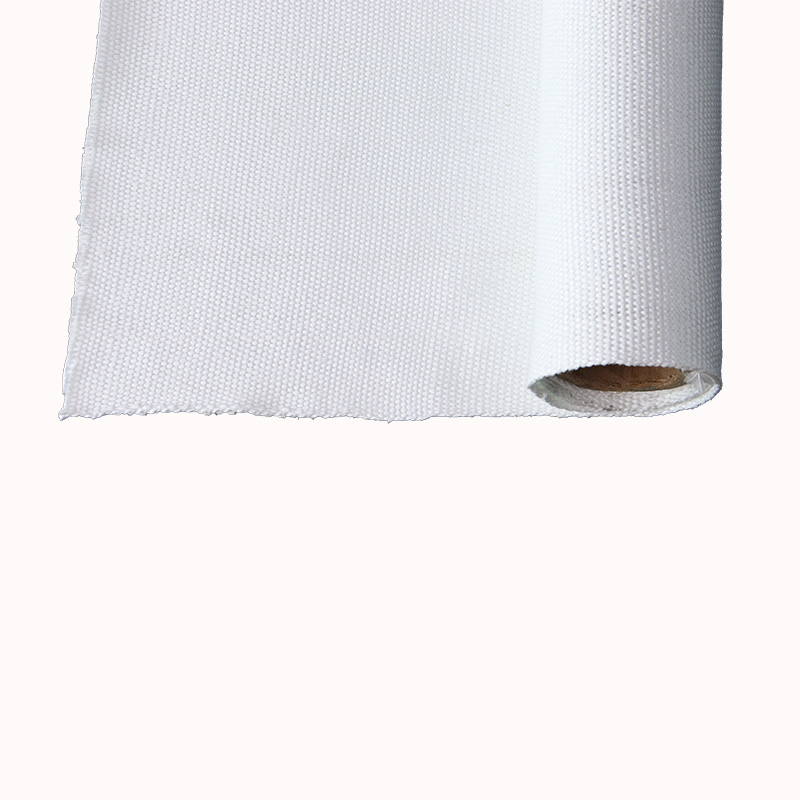
Woven Fiberglass Cloth for Structural Reinforcement
In composite manufacturing, the weave pattern determines the strength and finish of the final product. Woven fiberglass cloth offers a smooth surface and uniform strength distribution. It is essential for creating lightweight structural parts in the automotive and wind energy sectors. For instance, wind turbine blades rely on layers of woven fiberglass to provide the necessary stiffness without adding excessive weight. The tight weave creates a high fiber-to-resin ratio, resulting in stronger laminates compared to chopped strand mats. Engineers often choose plain weaves for stability or satin weaves when they need the fabric to conform to complex curves.
| Weave Type | Plain Weave | Twill/Satin Weave |
| Stability | High (Firm structure) | Moderate (Shifting possible) |
| Drapability | Low (Stiff) | High (Conforms to curves) |
| Surface Finish | Textured | Smoother |
A Comprehensive Guide to Purchasing Fiberglass Fabric Rolls
How to Choose the Right Specifications
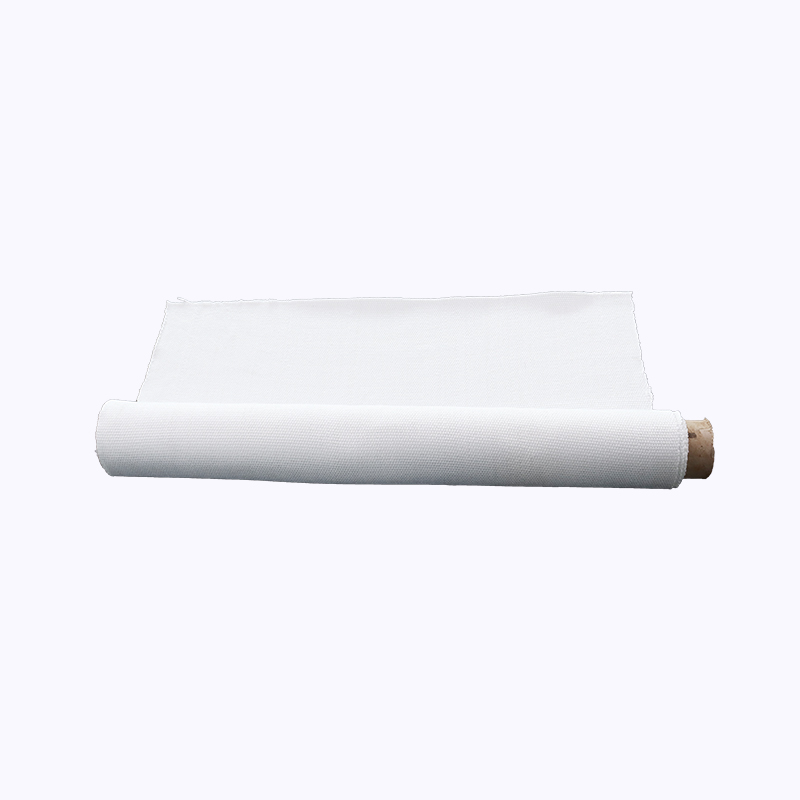
Procurement officers must pay close attention to technical data sheets when sourcing materials. A standard fiberglass fabric roll comes in various widths and weights, typically measured in ounces per square yard or grams per square meter. Heavier fabrics provide greater strength and impact resistance but are harder to saturate with resin. Lighter weights are easier to work with but may require more layers to achieve the desired thickness. You should also consider the "sizing" or coating on the glass fibers. Some sizings are designed specifically for compatibility with epoxy, while others work best with polyester or vinyl ester resins. Selecting the wrong type can lead to delamination or weak structural integrity.
Trusted Manufacturing Partner: Ningguo Zhongdian Insulation Materials
Quality assurance is vital when sourcing high-temperature materials. Ningguo Zhongdian Insulation Materials Co., Ltd. is located in the Yinbai Industrial Park of Ningguo City, Southeast Anhui, within the national-level economic development zone. It is a technology-driven enterprise specializing in the design, research and development, production, and sales of high-temperature resistant and fireproof new materials. Established in 2008, the company holds import and export rights and has successfully passed the ISO9001 Quality Management System and ISO14001 Environmental Management System certifications.
The company mainly develops and produces high-temperature resistant fiber composites sleeves, high-temperature fabrics, insulation blankets, automobile turbo guard, and other products, while strictly controlling product quality and technical specifications. In addition, we have successfully obtained EU CE certification, US UL flame retardant certification, and ROHS6 testing. Our products are widely exported to markets in the United States, Southeast Asia, and other regions, and are used in industries such as metallurgy, mining, shipbuilding, chemicals, and automotive.
The high-temperature-resistant composites sleeves produced by the company has flame retardant properties and strong tensile strength. Thanks to the stability and reliability of our products, we are among the leaders in the country. Our subsidiary brands “Zhongdian New Materials” and “CEIP” are well recognized in both domestic and international markets, establishing good strategic partnerships with large well-known enterprises. With the philosophy of “Innovation, Integrity, Cooperation, and Win-Win,” we sincerely invite customers from around the world to join our distribution team.
Conclusion
Fiberglass Fabric remains a cornerstone material for modern industry due to its adaptability and resilience. Whether used for thermal insulation, waterproofing, or structural reinforcement, it provides reliable performance where other materials fail. By understanding the specific requirements of your application and partnering with certified manufacturers like Ningguo Zhongdian Insulation Materials, businesses can ensure operational safety and product longevity.
Frequently Asked Questions (FAQ)
- Is fiberglass fabric resistant to fire?
Yes, standard fiberglass fabric is non-combustible and can withstand temperatures up to approximately 1000°F (540°C) without melting. Specialized heat resistant fiberglass fabric can endure even higher temperatures, making it an excellent choice for fire protection.
- Can I use fiberglass cloth for boat repair above the waterline?
Absolutely. Fiberglass cloth for boat repair is suitable for both above and below the waterline applications. It creates a waterproof and structurally sound patch when used with the appropriate marine-grade resin.
- What is the difference between woven cloth and mat?
Woven fiberglass cloth consists of continuous fibers woven in a specific pattern, offering higher strength and a smoother finish. A mat consists of randomly oriented chopped fibers held together by a binder, which is easier to mold but offers lower structural strength.
- How should I store a fiberglass fabric roll?
You should store a fiberglass fabric roll in a cool, dry place away from direct sunlight and moisture. Keeping it in its original packaging until use prevents contamination and ensures the binder or sizing remains effective.
- Does fiberglass fabric for waterproofing require special handling?
While fiberglass fabric for waterproofing is chemically stable, you should wear protective gloves and long sleeves during installation. The fine glass fibers can irritate the skin. Proper ventilation is also recommended when applying resins or bitumen with the fabric.
References
- ASM International. (2021). ASM Handbook, Volume 21: Composites.
- Gibson, R. F. (2016). Principles of Composite Material Mechanics. CRC Press.
- ASTM International. (2019). ASTM D578 - Standard Specification for Glass Fiber Strands.
- Mallick, P. K. (2007). Fiber-Reinforced Composites: Materials, Manufacturing, and Design. CRC Press.