English
 Español
 عربى
عربى

Content
- 1 Why Do Wires Need High Temperature Protection?
- 2 How to Choose the Right Protective Sleeve?
- 3 Who Provides Certified, High-Performance Heat Resistant Sleeves?
- 4 Conclusion: How to Ensure Wire Safety in High Temperature Environments?
- 5 Frequently Asked Questions (FAQ)
- 5.1 1. What is the maximum temperature that a standard heat resistant electrical sleeve can handle?
- 5.2 2. Can high temperature fiberglass electrical sleeving be used outdoors?
- 5.3 3. Is braided silicone sleeving for cables resistant to oils and chemicals?
- 5.4 4. How do I choose the correct diameter for a heat shrinkable protective sleeve for wires?
- 5.5 5. Does fire resistant wire loom tubing also provide electrical insulation?
- 6 References
A heat resistant electrical sleeve is a critical component in modern industrial and commercial applications. It is a protective tubing designed to shield wires, cables, and hoses from extreme temperatures, abrasion, and environmental hazards. For engineers and procurement specialists, selecting the correct sleeving is not merely about insulation; it is about ensuring system integrity, preventing downtime, and meeting stringent safety codes. This article provides a technical deep dive into the types, materials, and selection criteria for these essential protective solutions.
Why Do Wires Need High Temperature Protection?
Wires and cables in industries like metallurgy, automotive, and shipbuilding are often routed near engines, exhaust systems, furnaces, or molten material. Without proper protection, the insulation on standard wires can degrade, leading to short circuits, signal loss, or fire hazards. A heat resistant electrical sleeve acts as a barrier. It reflects radiant heat, resists direct flame contact, and provides mechanical protection against vibration and abrasion. This ensures continuous operation and compliance with international safety standards such as UL and CE.
What Is High Temperature Fiberglass Electrical Sleeving?
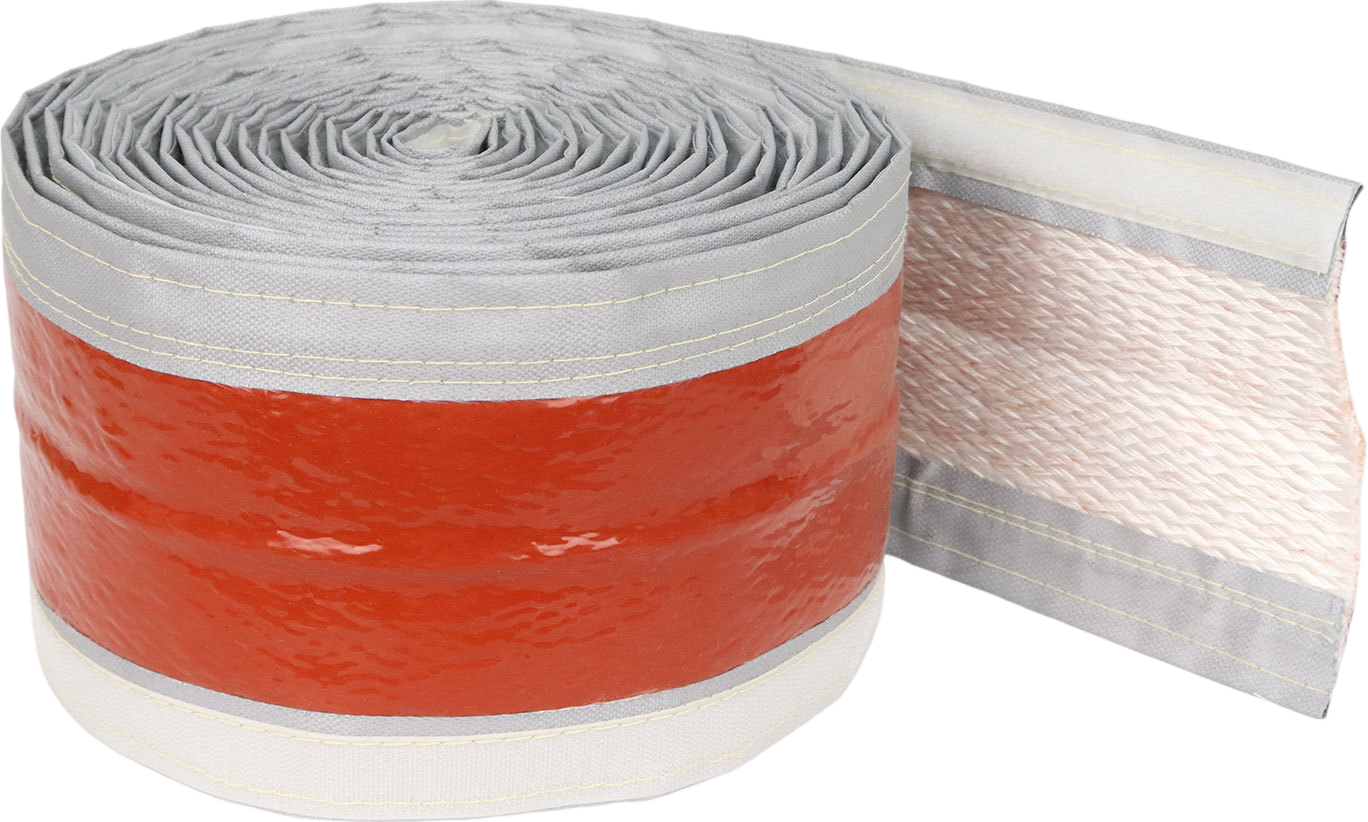
High temperature fiberglass electrical sleeving is one of the most common solutions for thermal management. It is manufactured from braided or woven fiberglass yarns, which are inherently non-combustible. The fiberglass base provides a continuous operating temperature range typically from -60°C to +500°C or higher, depending on the coating. To enhance its dielectric strength and moisture resistance, this sleeving is often impregnated with silicone varnish or other heat-resistant resins. Engineers specify this type of sleeving for applications like thermocouple wiring, heating element leads, and industrial oven cabling because it offers excellent electrical insulation even after prolonged heat exposure. Its dielectric breakdown voltage can exceed 4,000 volts, making it suitable for high-voltage environments.
How Does Braided Silicone Sleeving for Cables Work?
Braided silicone sleeving for cables offers a different protection mechanism. Unlike solid coatings, the braided construction provides exceptional flexibility and conformability. It is made from extruded silicone rubber monofilaments that are braided into a tube. This structure allows the sleeving to expand and contract, fitting snugly over irregular shapes like connectors, hoses, and wire bundles. Silicone is known for its stability across a wide temperature range, typically from -50°C to +200°C continuously, with the ability to withstand short-term spikes up to +250°C. It also has inherent flame-retardant properties. In automotive applications, such as turbocharger lines or engine harnesses, this sleeving dampens noise, resists automotive fluids, and protects cables from the intense radiant heat of exhaust components.
How to Choose the Right Protective Sleeve?
The selection process for a heat resistant electrical sleeve involves evaluating temperature requirements, mechanical stress, chemical exposure, and installation constraints. Below is a technical comparison of two primary categories.
Heat Shrinkable Protective Sleeve for Wires vs. Braided Sleeve: Which Is Better?
The choice between a heat shrinkable protective sleeve for wires and a braided sleeve depends on the application's permanence and flexibility needs. Heat shrinkable sleeves are made from polymers like polyolefin or fluoropolymer. When heat is applied, they contract radially to form a tight, encapsulation around the wire. This provides excellent strain relief, sealing against moisture, and electrical insulation. Braided sleeves, such as those made from fiberglass or silicone, do not require heat for installation and remain flexible, allowing for future wire additions or removals. The table below summarizes their key differences for engineering evaluation.
| Property | Heat Shrinkable Protective Sleeve for Wires | Braided Sleeve (Fiberglass/Silicone) |
|---|---|---|
| Installation Method | Requires heat gun or oven for activation | Slip-on; no tools required |
| Fit & Conformability | Permanent, tight, form-fitting seal | Conformable but removable; allows flexibility |
| Typical Max Temp (Continuous) | 125°C to 260°C (depending on material) | 200°C (silicone) to 500°C+ (fiberglass) |
| Primary Function | Hermetic sealing, insulation, strain relief | Thermal/abrasion protection, bundling |
| Repairability | Must be cut away for access | Can be slid aside or removed/reused |
For example, in a marine engine application where a permanent seal against saltwater is critical, a heat shrinkable protective sleeve for wires is the superior choice. For a robotic arm cable bundle that requires periodic maintenance, a braided silicone sleeve is more practical.
When Should You Use Fire Resistant Wire Loom Tubing?
Fire resistant wire loom tubing is specified when the primary risk is direct flame impingement or the need to prevent fire propagation. Unlike simple heat resistance, fire resistance means the material will not sustain combustion or will self-extinguish once the flame source is removed. This tubing is often made from materials like special compounded PVC, Teflon (PTFE), or ceramicized fiberglass. In public transportation (rail, buses) and building infrastructure, codes often mandate fire-resistant materials that meet specific standards like UL94 V-0 or FMVSS 302. Fire resistant wire loom tubing ensures that in the event of an electrical fault or external fire, the tubing does not act as a wick for the flames, thereby containing the hazard and allowing more time for evacuation or system shutdown.
Why Is Flexible Heat Resistant Cable Sleeve Preferred in Automotive Applications?
Modern automotive environments, especially with turbocharged engines and hybrid systems, present a unique challenge: high temperatures combined with constant vibration and tight packaging. A flexible heat resistant cable sleeve is preferred here because it must bend around sharp corners and engine components without kinking. The flexibility allows for easier installation on assembly lines and during aftermarket upgrades. Materials like braided fiberglass with a acrylic coating or spiral-cut silicone tubing offer this flexibility. They protect wire harnesses near exhaust manifolds and turbochargers, where temperatures can exceed 300°C. Furthermore, the flexibility accommodates the relative movement between the engine and chassis, preventing the sleeving from cracking or fatiguing over time.
Who Provides Certified, High-Performance Heat Resistant Sleeves?
When sourcing materials for critical infrastructure, the credibility of the manufacturer is as important as the product specifications. Ningguo Zhongdian Insulation Materials Co., Ltd., located in the Yinbai Industrial Park of Ningguo City, within the national-level economic development zone in Southeast Anhui, stands as a technology-driven enterprise. Since its establishment in 2008, the company has focused on the design, R&D, production, and sales of high-temperature resistant and fireproof new materials. Holding import and export rights, it operates with certified quality and environmental management systems. The company's portfolio includes high-temperature resistant fiber composite sleeves, insulation blankets, and specialized automotive turbo protection. Their products are validated by international certifications including EU CE, US UL flame retardant, and ROHS6 testing, ensuring compliance for industries like metallurgy, mining, shipbuilding, chemical processing, and automotive manufacturing. Thanks to rigorous control over product quality and technical specifications, their high-temperature composite sleeves exhibit reliable flame retardancy and tensile strength. The subsidiary brands "Zhongdian New Materials" and "CEIP" have established strategic partnerships with large enterprises globally, operating under the philosophy of "Innovation, Integrity, Cooperation, and Win-Win."
Conclusion: How to Ensure Wire Safety in High Temperature Environments?
Ensuring wire safety in high-heat environments requires a systematic approach. First, accurately assess the maximum continuous and peak intermittent temperatures the cable will face. Second, evaluate secondary risks such as fluid exposure, abrasion, and flame hazard requirements. Third, match the sleeve material—whether it is high temperature fiberglass electrical sleeving for extreme heat, braided silicone sleeving for cables for flexibility, or fire resistant wire loom tubing for critical safety circuits—to the specific demands of the application. Finally, source materials from manufacturers with proven quality certifications and international market experience to guarantee long-term performance and safety.
Frequently Asked Questions (FAQ)
1. What is the maximum temperature that a standard heat resistant electrical sleeve can handle?
The maximum temperature varies significantly by material. Standard fiberglass sleeving without coating can handle up to 500°C continuously. Silicone rubber and braided silicone sleeves are typically rated for 200°C to 260°C. For specialized applications like furnace wiring, ceramic fiber sleeves can withstand temperatures exceeding 1000°C, though they are less flexible.
2. Can high temperature fiberglass electrical sleeving be used outdoors?
Uncoated fiberglass sleeving can absorb moisture and may degrade under direct UV exposure over time. For outdoor use, it is recommended to use fiberglass sleeving with a UV-resistant coating, such as silicone or acrylic. These coatings seal the fibers and provide better weather and moisture resistance.
3. Is braided silicone sleeving for cables resistant to oils and chemicals?
Yes, silicone has good resistance to many common automotive fluids, including engine oil, coolant, and transmission fluid. However, it is not resistant to all chemicals, such as concentrated acids or hydrocarbon fuels like gasoline for long-term immersion. Always check the specific chemical compatibility data for your environment.
4. How do I choose the correct diameter for a heat shrinkable protective sleeve for wires?
You need to know the supplied inner diameter (before shrinking) and the recovered inner diameter (after shrinking). The supplied diameter should be large enough to easily slide over the largest connector or wire bundle. The recovered diameter should be smaller than the bundle to ensure a tight, compressive seal after heating.
5. Does fire resistant wire loom tubing also provide electrical insulation?
Most fire-resistant tubing does provide electrical insulation, but the dielectric strength varies. Standard PVC or Teflon looms offer good insulation. However, some metallic or conductive fire-resistant sleeves are designed for shielding, not insulation. For applications requiring both fire resistance and high-voltage insulation, specify a non-metallic, flame-retardant material with a published dielectric rating.
References
- ASTM D876 - Standard Test Methods for Nonrigid Vinyl Chloride Polymer Tubing Used for Electrical Insulation.
- IEC 60684-3-1 to 3-3: Flexible insulating sleeving - Specifications for individual types.
- UL 1441: Standard for Coated Electrical Sleeving.
- ISO 6722: Road vehicles — 60 V and 600 V single-core cables — Dimensions, test methods and requirements.
- Underwriters Laboratories. (2022). UL 94 Standard for Tests for Flammability of Plastic Materials for Parts in Devices and Appliances.
- International Electrotechnical Commission. (2015). IEC 60331-11: Tests for electric cables under fire conditions - Circuit integrity.