English
 Español
 عربى
عربى

Content
- 1 1. Engineered Protection for Extreme Environments
- 2 2. Versatile Applications Across Industrial Sectors
- 3 3. Leading Innovation in Thermal Materials
- 4 4. Niche Applications: Aerospace and Steam Systems
- 5 5. Technical Specifications of Composite Materials
- 6 6. Frequently Asked Questions (FAQ)
- 7 7. References
Thermal management is a critical requirement in modern industrial engineering. Engineers use high temperature insulation protective wrapping tape to protect sensitive components from extreme heat, abrasion, and chemical exposure. These tapes act as a robust thermal barrier for hoses, wires, and piping systems. High-quality insulation prevents energy loss and ensures the safety of the workforce in high-heat environments.
1. Engineered Protection for Extreme Environments
The performance of an insulation tape depends on its base material and coating technology. Professionals often choose silicone coated fiberglass high temperature insulation tape because it combines mechanical strength with chemical resistance. This material withstands continuous exposure to high temperatures while shedding molten splash and resisting hydraulic fluids. The silicone layer provides a non-stick surface that prevents the buildup of industrial contaminants.
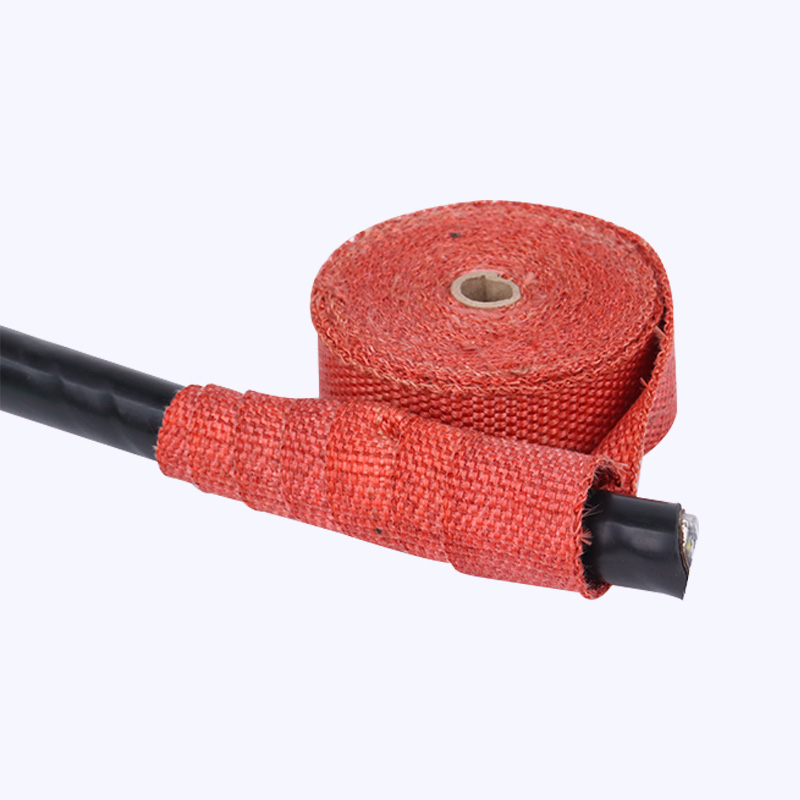
Material Comparison: Silicone Coated vs. Standard Glass Fiber
Silicone-coated tapes offer better moisture resistance than standard fiberglass tapes, but standard fiberglass can sometimes handle higher peak temperatures if no coating is present.
| Feature | Silicone Coated Fiberglass Tape | Standard Fiberglass Tape |
| Moisture Resistance | Excellent | Poor |
| Molten Splash Protection | Superior | Low |
| Chemical Stability | High | Moderate |
2. Versatile Applications Across Industrial Sectors
Different industries require specific thermal solutions. For example, the automotive and power generation sectors utilize industrial exhaust pipe heat shield wrapping tape to manage radiant heat. This application reduces engine bay temperatures and improves the volumetric efficiency of the exhaust system.
Protecting Electrical Systems and Motors
Electrical reliability is essential for industrial uptime. Maintenance teams use high temperature electrical insulation tape for motors to wrap lead wires and coils. This tape maintains its dielectric strength even when the motor operates under heavy loads at elevated temperatures. It prevents short circuits caused by thermal degradation of standard plastic insulators.
3. Leading Innovation in Thermal Materials
Ningguo Zhongdian Insulation Materials Co., Ltd. is located in the Yinbai Industrial Park of Ningguo City. This location is within the national-level economic development zone in Southeast Anhui. The company is a technology-driven enterprise that specializes in the design, research, and production of fireproof new materials. Since its establishment in 2008, the company has maintained strict control over quality and technical specifications.
- The facility holds ISO9001 and ISO14001 certifications.
- Products meet EU CE and US UL flame retardant standards.
- The company exports high-temperature fiber composite sleeves and fabrics to the United States and Southeast Asia.
- Key industries served include metallurgy, mining, shipbuilding, and automotive.
4. Niche Applications: Aerospace and Steam Systems
Aerospace engineering demands materials with high strength-to-weight ratios. Engineers specify fireproof heat resistant protective tape for aerospace to protect wire harnesses from jet engine heat. These tapes must meet rigorous flame-spread and smoke-density requirements to ensure passenger safety.
Installation Techniques for Infrastructure
Efficiency in steam distribution depends on proper insulation. Facility managers must understand how to apply high temperature insulation tape on steam pipes to achieve maximum energy savings. Workers should wrap the tape with a 50% overlap to ensure consistent coverage and prevent thermal bridging.
5. Technical Specifications of Composite Materials
Advanced composite sleeves and tapes offer high tensile strength and flame retardancy. These products are more durable than traditional wraps. The stability of these materials allows them to function in heavy industrial environments like steel mills and chemical plants.
| Specification | Composite Insulation Sleeving | Standard Ceramic Wrap |
| Tensile Strength | Very High | Low to Moderate |
| Ease of Installation | High (Flexible) | Low (Brittle) |
| Durability | Long-term | Short-term |
6. Frequently Asked Questions (FAQ)
Q1: What is the maximum temperature for silicone coated fiberglass tape?
Most high-quality tapes can handle continuous temperatures of 260°C and short-term flashes of up to 1200°C.
Q2: Is the insulation tape resistant to industrial oils?
Yes, the silicone coating provides excellent resistance to most industrial oils, hydraulic fluids, and fuels.
Q3: Does the tape provide electrical insulation?
Specific tapes designed for motors provide high dielectric strength, but you must check the specific KV rating for your application.
Q4: How do I secure the ends of the wrapping tape?
You can secure the ends using stainless steel cable ties or high-temperature adhesive sealants.
Q5: Can I use this tape on automotive turbochargers?
Yes, these tapes are ideal for wrapping turbo lines and exhaust components to manage extreme heat soak.
7. References
- ASTM International. (2021). Standard Specification for Glass Fiber Strands.
- National Fire Protection Association. (2020). NFPA 70: National Electrical Code.
- Underwriters Laboratories. (2022). UL 1441: Standard for Coated Electrical Sleeving.
- International Organization for Standardization. (2015). ISO 9001: Quality management systems.