English
 Español
 عربى
عربى

Content
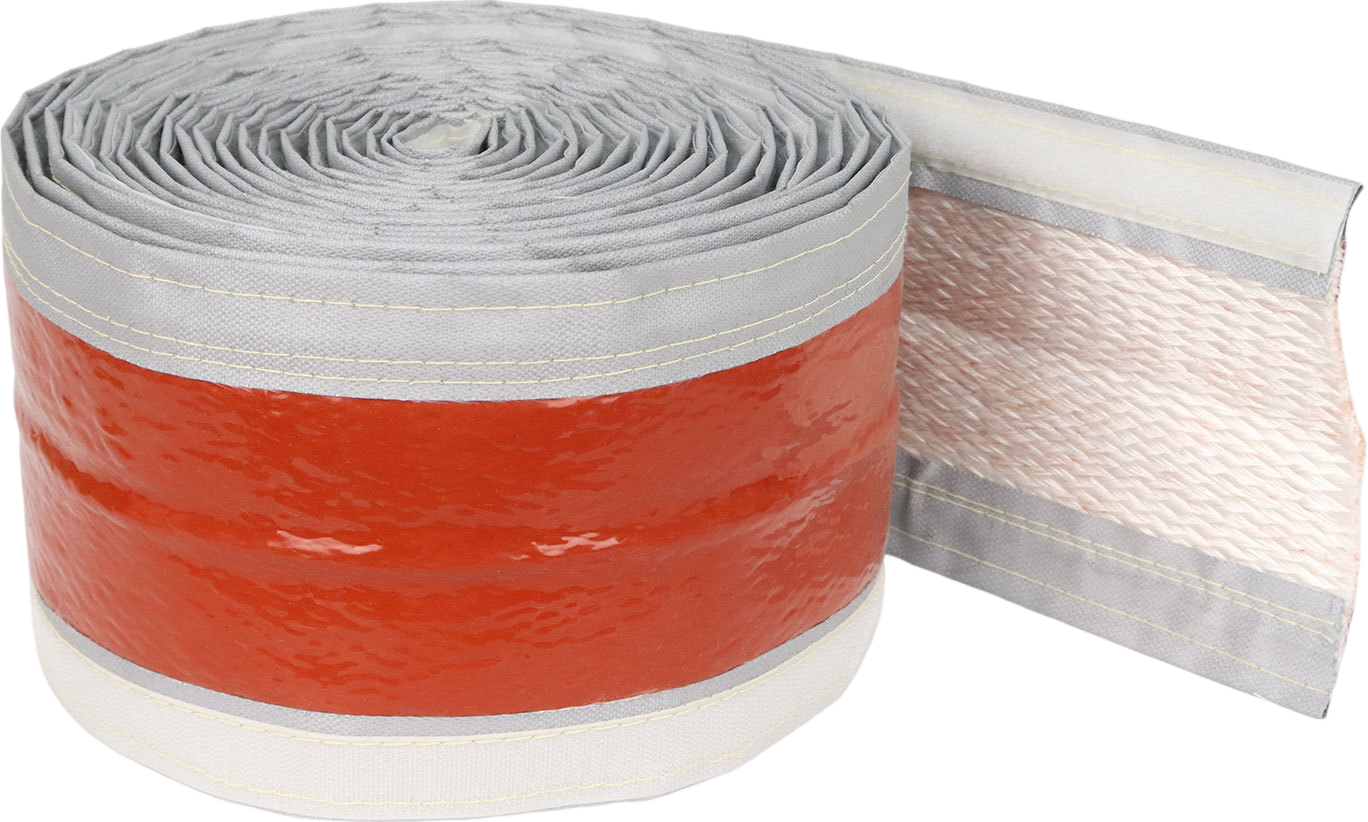
High temperature resistant sleeve is an essential component for industrial, electrical, and mechanical applications. It protects wires, cables, and hoses from extreme heat, ensuring safety and longevity. For B2B buyers, understanding material types, performance, and supplier reliability is critical for bulk procurement.
Material Types and Engineering Properties
Common High Temperature Resistant Sleeve Material Types
- Fiberglass: Excellent heat insulation and flame resistance.
- Silicone-coated fiberglass: Combines flexibility with high thermal endurance.
- PTFE (Teflon): High chemical and temperature resistance.
- Polyimide: Lightweight with outstanding mechanical strength.
Heat Resistance Ratings and Durability
Different materials provide varying heat tolerance. Below is a comparison:
| Material | Max Operating Temp (°C) | Durability | Cost |
| Fiberglass | 550 | High | Moderate |
| Silicone-coated Fiberglass | 260-300 | High | High |
| PTFE | 260 | High | High |
| Polyimide | 400 | Moderate | High |
Mechanical Strength and Insulation Properties
High-temperature-resistant sleeves must withstand abrasion and mechanical stress and maintain insulation. Fiberglass sleeves excel in load-bearing applications, while silicone coatings improve flexibility for dynamic machinery.
Applications of High Temperature Resistant Sleeve
Industrial Machinery
High-temperature-resistant sleeve for industrial machinery protects hydraulic hoses, pneumatic lines, and electrical wiring from heat generated in engines, furnaces, and heavy-duty equipment. This reduces downtime and maintenance costs.
Electrical Wiring Protection
- Prevents insulation damage due to heat exposure.
- Reduces fire hazards in high-voltage systems.
- Improves lifespan of wiring assemblies.
Benefits of Large-Scale Production and Standardization
Standardized high-temperature-resistant sleeves simplify inventory, reduce errors, and allow bulk procurement to optimize cost-efficiency.
Installation and Handling Guidelines
Step-by-Step High Temperature Resistant Sleeve Installation Guide
- Measure the cable or hose to determine sleeve length.
- Slide the sleeve over the component before final assembly.
- Secure ends with clamps or adhesive tape if necessary.
Safety and Compliance Considerations
Wear protective gear during installation. Ensure compliance with industry standards, including electrical and thermal safety codes.
Maintenance and Inspection Procedures
- Inspect sleeves periodically for wear or degradation.
- Replace damaged sections immediately to prevent equipment failure.
- Keep the installation area clean to avoid contamination and abrasion.
B2B Purchasing Considerations
Selecting Reliable High-Temperature Resistant Sleeve Wholesale Suppliers
Choose suppliers with verified production facilities, consistent quality control, and certifications to ensure reliability in bulk procurement.
Quality Standards and Certifications
- Check ISO, ASTM, and electrical insulation compliance.
- Request laboratory testing reports for thermal performance and mechanical strength.
- Evaluate sample sleeves before large-scale orders.
Cost-Efficiency and ROI
Comparing suppliers and materials helps buyers maximize return on investment:
| Supplier / Material | Max Temp (°C) | Cost | Lead Time |
| Supplier A / Fiberglass | 550 | Moderate | 2 weeks |
| Supplier B / Silicone-coated Fiberglass | 300 | High | 1 week |
| Supplier C / PTFE | 260 | High | 5 days |
Conclusion
High-temperature-resistant sleeve provides critical protection for industrial and electrical systems. Understanding materials, heat resistance ratings, and supplier reliability ensures efficient procurement. Standardized sleeves improve safety, reduce maintenance, and enhance operational efficiency.
FAQ
1. What materials are used in high temperature resistant sleeve?
Fiberglass, silicone-coated fiberglass, PTFE, and polyimide are common materials. Each offers unique thermal, mechanical, and chemical resistance properties.
2. How do I install a high-temperature-resistant sleeve safely?
Measure accurately, slide the sleeve carefully, secure ends, wear protective gear, and follow compliance standards for heat and electrical safety.
3. What are the heat resistance ratings of high temperature resistant sleeve?
Fiberglass can withstand up to 550°C, silicone-coated fiberglass around 260–300°C, PTFE about 260°C, and polyimide around 400°C. Selection depends on operational requirements.
4. Where can wholesalers source quality high temperature resistant sleeve?
Reliable sources include verified wholesale suppliers with certifications, laboratory-tested products, and consistent bulk supply capabilities.
References
- Journal of Industrial Engineering, 2022. “Thermal Protection Materials in Machinery.”
- International Electrical Safety Journal, 2021. “High-Temperature Insulation for Wiring.”
- ASTM Standards, 2023. “Specifications for Heat-Resistant Sleeves.”
- Mechanical Components Review, 2020. “Engineering Properties of Industrial Protective Sleeves.”
- Industrial Supply Chain Journal, 2021. “B2B Procurement Strategies for Heat-Resistant Components.”