English
 Español
 عربى
عربى

Content
- 1 Understanding the Heat Resistant Fiberglass Sleeve
- 2 Applications of fiberglass heat sleeve
- 3 Performance of high temperature fiberglass sleeve
- 4 Specialized exhaust heat shield sleeve
- 5 Versatility of industrial thermal sleeve
- 6 Wire Protection: fiberglass wire protection sleeve
- 7 Innovation at Ningguo Zhongdian Insulation Materials Co., Ltd.
- 8 FAQ
In the demanding environments of industrial manufacturing, automotive engineering, and aerospace, the protection of critical components from extreme thermal stress is paramount. A heat resistant fiberglass sleeve serves as a primary line of defense, safeguarding hoses, cables, wires, and pipes from the debilitating effects of high temperatures. These sleeves are engineered to provide robust thermal insulation, reflecting radiant heat and resisting direct contact with flames. Without such protection, critical systems are prone to degradation, hardening, or complete failure, leading to costly downtime and safety hazards. The versatility of these sleeves allows them to be utilized across a spectrum of industries, from the engine bays of high-performance vehicles to the high-voltage cables found in power plants. By selecting the correct thermal protection, engineers and maintenance professionals can significantly extend the lifespan of their equipment, ensure operational continuity, and enhance overall safety standards in the workplace.
Understanding the Heat Resistant Fiberglass Sleeve
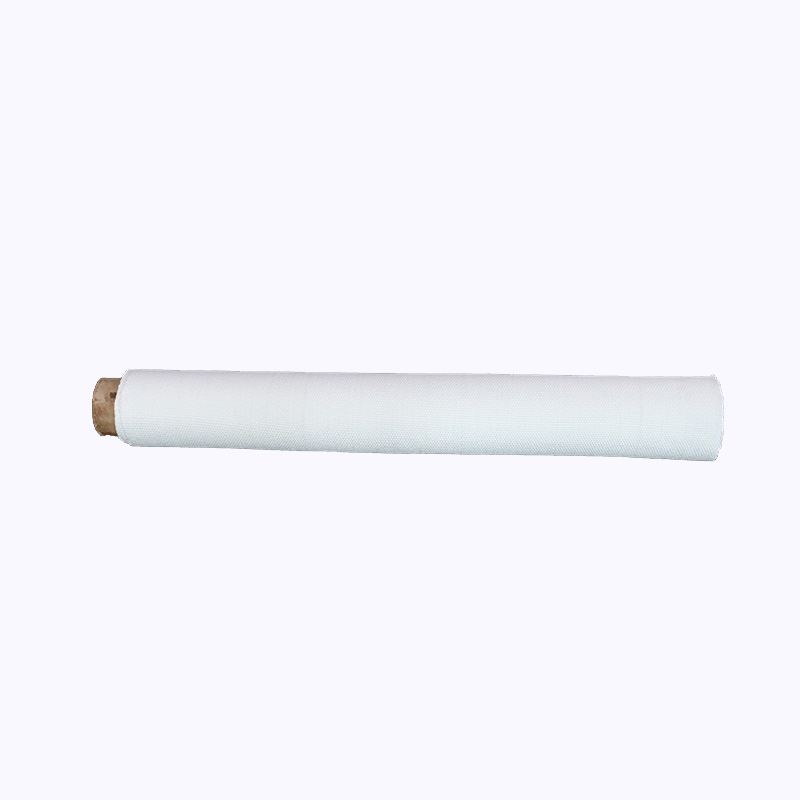
The core function of a heat resistant fiberglass sleeve is to act as a thermal barrier. Constructed from high-quality, braided or knitted fiberglass substrates, these sleeves are designed to withstand continuous exposure to extreme heat. The material structure inherently possesses low thermal conductivity, meaning heat does not easily pass through the sleeve to the protected component underneath. Furthermore, many fiberglass sleeves are treated with high-temperature coatings, such as silicone rubber or vermiculite, which enhance their heat reflection capabilities and provide additional abrasion resistance. This combination of material science and engineering design results in a product that is not only heat resistant but also durable against mechanical wear, oil, and chemical splashes, making it an indispensable asset in harsh operational environments.
Composition and Thermal Properties
The efficacy of a heat resistant fiberglass sleeve is largely defined by its composition and the specific thermal properties of the materials used. The base material, typically E-glass or C-glass fiberglass, is chosen for its high tensile strength and resistance to thermal shock. When this fiberglass is coated with heavy-duty silicone rubber, the temperature rating can increase significantly, often withstanding continuous temperatures up to 260°C (500°F) and short-term spikes up to 1650°C (3000°F). This performance capability makes them suitable for protecting against intense radiant heat from exhaust manifolds or molten splash. Understanding the specific temperature threshold of the application is crucial for selecting the right grade of sleeve, ensuring that the material does not degrade or lose its structural integrity under thermal load.
Mechanisms of Thermal Protection
Heat resistant fiberglass sleeve protects components through two primary mechanisms: insulation and reflection. The dense fiberglass weave traps air, which is a poor conductor of heat, thereby insulating the internal components.
- Insulation: Trapping air within the braid reduces heat transfer via conduction.
- Reflection: Coated sleeves reflect radiant heat away from the protected area.
- Airflow Management: The braided structure allows for ventilation, preventing heat buildup.
- Flame Resistance: The material is inherently self-extinguishing and non-flammable.
| Mechanism | Primary Benefit | Typical Application | |
| Thermal Insulation | Radiant Reflection | Abrasion Resistance | Fireproofing |
Applications of fiberglass heat sleeve
The utility of a fiberglass heat sleeve spans a vast array of industries, proving its worth wherever thermal management is a concern. In the automotive sector, these sleeves are essential for protecting the thousands of feet of wiring and fluid lines that run through a vehicle's engine bay. The intense heat generated by modern engines can melt insulation, causing electrical shorts or fluid leaks. Similarly, in industrial settings, a fiberglass heat sleeve is used to protect hydraulic and pneumatic hoses that operate near furnaces, kilns, or welding stations. The sleeves prevent the rubber hoses from aging prematurely due to thermal oxidation. Additionally, in the power generation and distribution sector, these sleeves are used to insulate high-voltage cables, preventing fires that could result from overheated lines.
Automotive and Aerospace Protection
In the high-stakes worlds of automotive and aerospace engineering, reliability is non-negotiable. A fiberglass heat sleeve is frequently employed to protect fuel lines, brake lines, and electrical harnesses. In aerospace applications, weight and space are at a premium, and the lightweight nature of fiberglass provides an ideal solution without adding significant bulk. The sleeve's ability to resist aviation fluids and hydraulic oils further solidifies its position as a critical component in aircraft maintenance. By maintaining the integrity of sensitive wiring and tubing, these sleeves play a silent but vital role in the safety and performance of vehicles traversing the skies and the roads.
Industrial Hose and Cable Management
Industrial environments are rife with hazards that can damage essential infrastructure. A fiberglass heat sleeve acts as a shield for hydraulic and pneumatic hoses exposed to high ambient temperatures or weld splatter.
- Welding Protection: Prevents molten metal from burning through hoses.
- Hydraulic Systems: Stops heat from degrading hose seal integrity.
- Cable Protection: Organizes and protects electrical cables from abrasion and heat.
- Cost Saving: Extends the service life of expensive industrial hoses.
| Industrial Scenario | Hazard | Sleeve Function | ||
| Welding Shop | Molten Slag | Foundry | Steel Mill | Manufacturing Line |
Performance of high temperature fiberglass sleeve
When extreme thermal conditions are present, a standard sleeve may not suffice. This is where the high temperature fiberglass sleeve comes into play. These specialized sleeves are engineered to handle temperatures that would instantly destroy standard polymer-based protections. They are often utilized in environments such as foundries, glass manufacturing, and steel processing, where ambient temperatures can remain elevated for extended periods. The performance of these sleeves is not just about withstanding heat; it is about maintaining mechanical strength at those temperatures. A high temperature fiberglass sleeve retains its flexibility and tensile strength, ensuring that it does not become brittle and crack when exposed to thermal cycling. This resilience is critical for applications where the protected equipment moves or vibrates.
Continuous vs. Intermittent Heat Exposure
Understanding the difference between continuous and intermittent heat exposure is vital when selecting a high temperature fiberglass sleeve. Continuous temperature ratings indicate the maximum temperature the sleeve can withstand 24/7 without degradation. Intermittent ratings refer to short-term spikes in temperature. For example, a sleeve with a vermiculite coating might handle a continuous 540°C (1000°F) but survive a brief spike of 1650°C (3000°F). Using a sleeve beyond its continuous rating can lead to rapid oxidation and failure. Manufacturers must analyze the thermal profile of the application to choose a sleeve that balances these factors, ensuring that the industrial thermal sleeve does not become the weak link in the chain.
Chemical Resistance and Durability
Beyond heat, a high temperature fiberglass sleeve often encounters harsh chemicals. The high-quality silicone coatings used on these sleeves offer excellent resistance to oils, fuels, and many solvents.
- Hydrocarbon Resistance: Withstands exposure to engine oils and transmission fluids.
- Water Repellency: Coatings shed water to prevent corrosion of underlying parts.
- UV Stability: Resists degradation from sunlight in outdoor applications.
- Abrasion Resistance: Tight braiding prevents fraying against metal edges.
| Coating Type | Max Temp (Continuous) | Best Use | ||||
| Silicone Rubber | 260°C (500°F) | Vermiculite | 540°C (1000°F) | Uncoated Fiberglass | Acrylic | 250°C (480°F) |
Specialized exhaust heat shield sleeve
In the automotive and performance racing world, managing under-hood temperatures is critical for maximizing engine performance. The exhaust heat shield sleeve is a specialized product designed to wrap around exhaust headers, mufflers, and tailpipes. By containing the heat within the exhaust system, these sleeves improve exhaust gas scavenging, which can lead to increased horsepower and torque. Furthermore, reducing the radiant heat emitted by the exhaust system protects surrounding components, such as plastic intakes, sensors, and wiring harnesses, from heat soak. Heat soak can lead to detonation in engines and failure of sensitive electronics, making the exhaust heat shield sleeve a key component for both performance enthusiasts and manufacturers aiming for reliability and efficiency.
Enhancing Vehicle Efficiency and Safety
The installation of an exhaust heat shield sleeve contributes directly to vehicle efficiency and safety. By keeping exhaust gases hot, the velocity of the gas is maintained, which helps the engine expel burnt gases more efficiently. This reduction in backpressure can result in improved fuel economy and engine responsiveness. From a safety perspective, lowering the under-hood temperature reduces the risk of heat-related component failure. In the event of a breakdown, a cooler engine bay is safer for the driver and mechanics to work on. The industrial thermal sleeve technology used in these automotive applications has been refined to ensure that while it blocks heat, it also resists the vibrations inherent in high-performance engines.
Protection Against Mechanical Wear
Exhaust systems vibrate intensely and are often located near sharp metal brackets. A robust exhaust heat shield sleeve provides a dual layer of protection.
- Vibration Dampening: The braid absorbs shock, preventing metal fatigue.
- Chafing Prevention: Protects exhaust pipes from rubbing against chassis parts.
- Corrosion Resistance: Prevents moisture and road salts from reaching the metal pipe.
- Noise Reduction: Can help dampen the high-frequency noise of exhaust flow.
| Exhaust Challenge | Without Sleeve | With Sleeve | |
| Under-hood Temp | Exhaust Gas Velocity | Component Life | Risk of Fire |
Versatility of industrial thermal sleeve
The application of thermal protection is not limited to just engines or pipes; it extends to any industry where heat management is a concern. The industrial thermal sleeve is a category encompassing a wide range of products designed for heavy-duty use. In shipbuilding, for instance, these sleeves are used to protect cables running through engine rooms, ensuring compliance with strict maritime fire safety regulations. In metallurgy, they protect equipment from molten metal splash and intense furnace radiation. The versatility of these sleeves means they can be found in chemical plants, protecting control cables from aggressive solvents, and in wind turbines, protecting hydraulic lines from friction and environmental extremes. This adaptability stems from the ability to customize the thickness, braid density, and coating of the sleeve to meet specific industry standards.
Metallurgy and Chemical Processing Uses
In metallurgy, the industrial thermal sleeve is often subjected to conditions that would destroy most materials. Here, sleeves are often coated with specialized materials like graphite or heavy vermiculite to reflect extreme radiant heat and shed molten metal. In chemical processing, the focus shifts to chemical resistance. The fiberglass substrate is inert, but the coating must be selected carefully to withstand specific acids or alkalis. The fiberglass wire protection sleeve used in these sectors ensures that process control systems remain operational even during thermal runaway events or chemical spills, preventing catastrophic shutdowns.
Fire Safety and Compliance
Regulatory bodies in various industries mandate the use of fire-resistant materials. An industrial thermal sleeve is a critical component in meeting these safety standards.
- Fire Retardancy: Inherently flame-resistant materials prevent fire propagation.
- Low Smoke Emission: Crucial for enclosed spaces like ships and tunnels.
- Toxicity Free: Does not emit halogens or toxic fumes when burned.
- Compliance: Meets maritime, mining, and building code requirements.
| Industry | Primary Hazard | Sleeve Requirement | |
| Shipbuilding | Mining | Chemical | Metallurgy |
Wire Protection: fiberglass wire protection sleeve
Electrical systems are the nervous system of modern machinery, and protecting the wiring harness is essential for preventing electrical fires and system failures. A fiberglass wire protection sleeve offers a unique combination of electrical insulation and thermal protection. While plastics can melt and expose wires, fiberglass maintains its integrity even in the presence of high temperatures. These sleeves are often used in electrical motors, transformers, and generators where internal heat generation is high. Additionally, the use of fiberglass wire protection sleeve is common in appliances, heating equipment, and industrial ovens, where wires run close to heating elements. The braided construction allows for flexibility, meaning wires can be routed around corners without compromising the protective barrier.
Preventing Short Circuits and Electrical Fires
The primary role of a fiberglass wire protection sleeve is to prevent the insulation of electrical wires from melting, which leads to short circuits and arcing. By keeping the wires cool, the sleeve ensures the integrity of the polymer insulation on the wires themselves. Furthermore, the fiberglass sleeve itself acts as an insulating layer, adding a dielectric barrier between the wire and the grounded chassis or other conductive parts. This is particularly important in high-voltage applications found in power distribution and heavy machinery, where an arc flash can be lethal. The exhaust heat shield sleeve technology shares similar properties but is optimized for surface contact, whereas wire protection sleeves focus on covering bundles of conductors.
Installation Best Practices
To ensure maximum effectiveness, a fiberglass wire protection sleeve must be installed correctly. It should be slit or open-weave for easy retro-fitting over existing harnesses, and secured at both ends with high-temperature ties or clamps.
- Retro-fit Capability: Sleeves with hook-and-loop closures or slits allow easy installation.
- Overlap: Maintaining a proper overlap ensures continuous thermal coverage.
- Strain Relief: Securing ends prevents the sleeve from sliding off.
- Labeling: Labeling the sleeves allows for easy identification of circuits.
| Installation Method | Pros | Cons | |
| Slit/Braided Open | Closed/Solid | Hook and Loop | Tape Wrapped |
Innovation at Ningguo Zhongdian Insulation Materials Co., Ltd.
Ningguo Zhongdian Insulation Materials Co., Ltd. stands at the forefront of the high-temperature protection industry, driven by a commitment to innovation and quality. Located in the Yinbai Industrial Park of Ningguo City, within the national-level economic development zone of Southeast Anhui, the company leverages its strategic location to serve global markets. As a technology-driven enterprise specializing in the design, research and development, production, and sales of high-temperature resistant and fireproof new materials, they have established themselves as leaders since their establishment in 2008. The company holds import and export rights and has successfully passed the ISO9001 Quality Management System and ISO14001 Environmental Management System certifications, underscoring their dedication to consistent quality and environmental responsibility.
Global Standards and Certifications (ISO, CE, UL)
Ningguo Zhongdian Insulation Materials Co., Ltd. distinguishes itself through rigorous adherence to international standards. The company mainly develops and produces high-temperature resistant fiber composites sleeves, high-temperature fabrics, insulation blankets, and automobile turbo guards. They have successfully obtained EU CE certification, US UL flame retardant certification, and ROHS6 testing. These certifications validate the safety and quality of their heat resistant fiberglass sleeve products, making them suitable for export to the United States, Southeast Asia, and other regions. The high-temperature-resistant composites sleeves produced by the company possess flame retardant properties and strong tensile strength. Thanks to the stability and reliability of their products, they are among the leaders in the country.
Advanced Manufacturing and R&D Capabilities
With a philosophy of "Innovation, Integrity, Cooperation, and Win-Win," the company invests heavily in research and development. They strictly control product quality and technical specifications, ensuring that every fiberglass heat sleeve meets the demanding needs of industries such as metallurgy, mining, shipbuilding, chemicals, and automotive.
- R&D Focus: Continuous innovation in fireproof new materials.
- Quality Control: Strict adherence to ISO management systems.
- Global Reach: Products exported to US and Southeast Asian markets.
- Custom Solutions: Tailoring high-temperature fabrics to specific industry needs.
| Certification | Standard Type | Significance | |
| ISO9001 | ISO14001 | CE | UL |
The “Zhongdian New Materials” and “CEIP” Advantage
The subsidiary brands "Zhongdian New Materials" and "CEIP" are well recognized in both domestic and international markets, establishing good strategic partnerships with large well-known enterprises. This reputation is built on the reliability of their industrial thermal sleeve and other insulation products. By controlling the entire supply chain, from raw material selection to final production, Ningguo Zhongdian ensures that every exhaust heat shield sleeve and insulation blanket performs as expected under pressure. They sincerely invite customers from around the world to join their distribution team, aiming to cooperate and win the future together.
FAQ
What is the maximum temperature rating for a high temperature fiberglass sleeve?
The maximum temperature rating depends on the specific coating and construction. Standard silicone-coated sleeves typically withstand up to 260°C (500°F) continuously, while vermiculite or high-temperature coated sleeves can handle continuous temperatures of 540°C (1000°F) or higher, with short-term resistance exceeding 1650°C (3000°F).
Can fiberglass heat sleeve be used for exhaust pipes?
Yes, specifically designed fiberglass heat sleeve options, often referred to as exhaust wraps or exhaust heat shield sleeves, are built to withstand the extreme temperatures of exhaust systems. They help reduce under-hood temperatures and improve exhaust flow efficiency.
Does exhaust heat shield sleeve reduce under-hood temperatures?
Absolutely. An exhaust heat shield sleeve works by containing and insulating the heat within the exhaust pipes. This significantly reduces the amount of radiant heat released into the engine bay, lowering ambient temperatures and protecting sensitive electronic components and fluid lines from heat damage.
Is industrial thermal sleeve suitable for chemical exposure?
Many industrial thermal sleeve options are suitable for chemical exposure, provided the correct coating is chosen. High-quality fiberglass sleeves coated with silicone rubber offer excellent resistance to oils, fuels, acids, and alkalis. It is important to check the chemical compatibility chart for the specific sleeve coating.