English
 Español
 عربى
عربى

Content
- 1 Introduction: The Critical Shield for High-Temperature Wiring
- 2 Understanding Your Needs: When is Heat Resistant Sleeving Essential?
- 3 Material Deep Dive: Exploring Common Sleeving Types
- 4 Making the Right Choice: A Comparative Analysis
- 5 Standards and Safety: The Importance of Certifications
- 6 Application Focus: Automotive and Industrial Solutions
- 7 FAQ
Introduction: The Critical Shield for High-Temperature Wiring
In the intricate networks that power our modern world, from industrial machinery and automotive systems to specialized appliances, electrical wiring is the lifeline. However, this lifeline is constantly under threat in many applications, exposed to extreme temperatures, abrasive surfaces, aggressive chemicals, and open flames. Standard wire insulation, while sufficient for benign environments, can quickly degrade under such stress, leading to insulation breakdown, short circuits, arc faults, and ultimately, catastrophic system failures or fires. This is where a specialized heat resistant electrical sleeve becomes not just an accessory, but an essential component of system safety and longevity. Unlike basic spiral wrap or standard-grade sheathing, these sleeves are engineered from advanced materials specifically formulated to act as a durable, protective barrier. They are designed to maintain their structural integrity and insulating properties in environments where temperatures can soar from a few hundred to over a thousand degrees Celsius. The selection of the appropriate sleeve is a critical engineering decision, balancing factors like continuous operating temperature, flexibility, chemical resistance, and mandatory safety certifications. Understanding the different types, materials, and applications of these protective solutions is key to ensuring reliable performance and preventing costly downtime or hazardous situations in demanding operational settings.
- Prevents Insulation Meltdown: Protects the primary wire insulation from softening, cracking, or melting when exposed to proximate heat sources.
- Mitigates Abrasion and Wear: Acts as a sacrificial layer against vibration, chafing on metal edges, and mechanical impact, preserving the conductor integrity.
- Contains Fire Risks: Many high-quality sleeves are inherently flame-retardant or self-extinguishing, preventing flames from traveling along a wire bundle.
Understanding Your Needs: When is Heat Resistant Sleeving Essential?
Identifying the applications that necessitate a heat resistant electrical sleeve is the first step toward effective protection. The need arises wherever wires or hoses are routed near components that generate significant heat or are present in inherently high-ambient-temperature environments. A quintessential example is under the hood of a vehicle, where searching for effective automotive engine bay wire sleeving solutions is common. Here, wiring harnesses run dangerously close to exhaust manifolds, turbochargers, and engine blocks, facing not just radiant and convective heat but also exposure to oil, fuel, and coolant. Beyond automotive, industrial settings like steel mills (near furnaces), food processing plants (near ovens), power generation facilities, and welding equipment present similar challenges. The goal of high temperature electrical wire sleeve protection is to create a managed thermal environment around the cable, keeping the core conductor temperature within its rated safe operating limits. This directly extends the service life of the wiring, prevents nuisance tripping from insulation failure, and is a fundamental aspect of functional safety in machinery design.
- Automotive & Transportation: Engine compartments, exhaust system sensors, hybrid/electric vehicle battery and motor leads.
Industrial Machinery:
- Furnace and oven wiring, motor leads in heavy equipment, control cables in foundries.
- Aerospace & Defense: Engine bay wiring, avionics near heat sources, military vehicle applications.
- Commercial Appliances: Internal wiring of commercial-grade ovens, heaters, and industrial dryers.
Material Deep Dive: Exploring Common Sleeving Types
The performance of a sleeve is fundamentally determined by its base material. Each material family offers a distinct balance of properties tailored to different challenges within the realm of high temperature electrical wire sleeve protection.
Fiberglass Sleeving: The Classic Workhorse
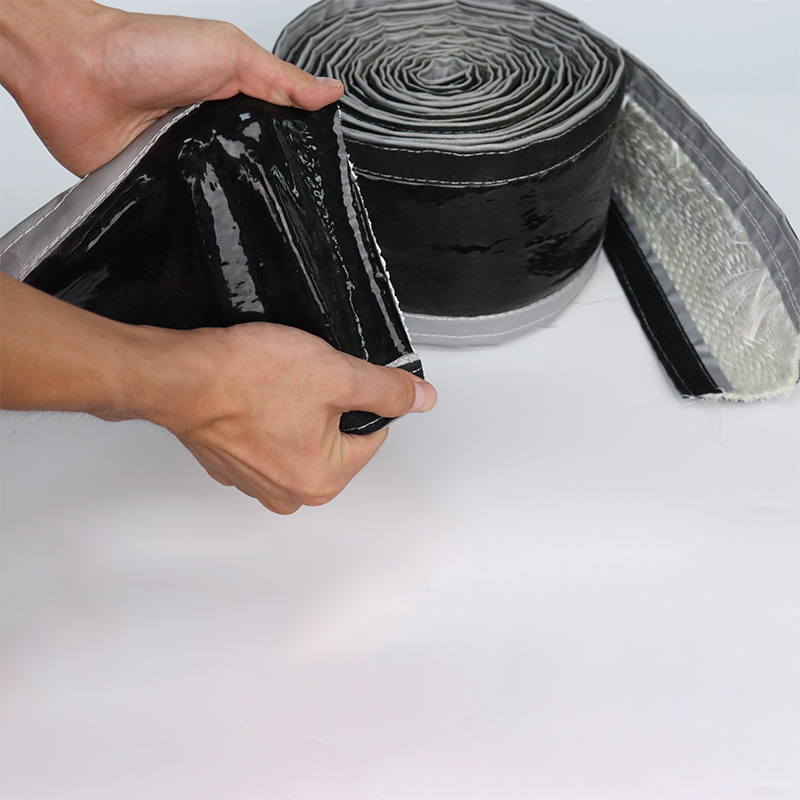
The fiberglass heat resistant sleeve for wires is one of the most widely recognized and trusted solutions for extreme temperature applications. It is constructed from fine filaments of glass fiber that are woven into a flexible, tubular braid. In its pure, uncoated form, it can withstand continuous temperatures up to 540°C (1000°F) or higher, offering excellent thermal insulation and inherent flame resistance. However, the basic weave can be abrasive and may allow moisture ingress. To enhance performance, fiberglass sleeving is often impregnated or coated with materials like silicone, polyurethane, or acrylic. A silicone-coated fiberglass sleeve, for instance, gains improved flexibility, better resistance to moisture and many chemicals, and a smoother surface that is gentler on adjacent components, making it a superior choice for comprehensive automotive engine bay wire sleeving solutions.
- Maximum Temperature Resistance: Unmatched continuous heat tolerance, often the go-to for the most extreme environments.
- Excellent Dielectric Strength: Provides very good electrical insulation even at high temperatures.
- Variety of Coatings: Silicone coating adds environmental sealing; other coatings may enhance abrasion or chemical resistance.
Silicone Rubber Sleeving: Flexibility and Sealing
Silicone rubber sleeving is molded or extruded from high-purity silicone compounds. Its primary advantages are exceptional flexibility, a high degree of elasticity, and excellent resistance to ozone, UV radiation, and a wide range of chemicals. It forms a tight, continuous seal around wire bundles, offering superior protection against moisture, dust, and other contaminants. While its maximum continuous temperature rating (typically around 200°C / 392°F) is lower than that of fiberglass, it is more than sufficient for many applications and is prized for its ease of installation and durable, resilient nature in dynamic or vibrating environments.
Making the Right Choice: A Comparative Analysis
A frequent point of confusion in wire protection is the distinction between different product categories. A clear heat shrink tubing vs silicone sleeve comparison highlights two different technologies with different purposes. Heat shrink tubing is typically made from polyolefin or other thermoplastics. It is installed loosely over wires and then heated, causing it to shrink radially (and sometimes longitudinally) to form a tight, conformal seal. Its primary functions are environmental sealing, strain relief, and bundling. While some specialty heat shrink has good temperature ratings, it is generally not designed for continuous exposure to external high-temperatures; the heat source for shrinking can damage it. A heat resistant electrical sleeve like silicone or fiberglass, on the other hand, is a passive sleeve slid over the wiring. It does not require heat to install and is specifically engineered to *withstand* continuous external heat, acting as a thermal barrier. The choice hinges on the primary threat: if the need is sealing and bundling in a moderate environment, heat shrink is excellent. If the need is protecting against an external heat source, a dedicated high-temperature sleeve is mandatory.
| Feature | Heat Shrink Tubing | Silicone or Fiberglass Sleeve |
| Primary Function | Sealing, Insulation, Bundling | Thermal Barrier, Abrasion Protection |
| Installation Method | Applied loosely, then heated to shrink | Slid over wires; no heat needed |
| Max Continuous External Heat | Moderate (up to ~135°C for common types) | Very High (200°C+ for Silicone, 540°C+ for Fiberglass) |
| Best For | Weatherproofing connections, corrosion protection, strain relief | Routing near exhaust, engines, furnaces, welding areas |
Standards and Safety: The Importance of Certifications
In safety-critical applications, a product's claims must be backed by independent verification. This is where certifications from globally recognized testing laboratories become paramount. A UL certified heat resistant cable sleeve has been rigorously tested by Underwriters Laboratories to specific safety standards, such as UL 224 for extruded insulating tubing, which evaluates flame retardancy, dielectric strength, and thermal stability. Other crucial marks include the CE marking (indicating conformity with European health, safety, and environmental standards) and compliance with RoHS (Restriction of Hazardous Substances) directives. These certifications are not mere logos; they provide objective evidence that the material will perform as expected under defined stressful conditions. For engineers and procurement specialists, specifying certified components is a fundamental risk mitigation strategy. It ensures regulatory compliance for the final product, facilitates approvals, and, most importantly, provides confidence in the safety and reliability of the wire protection system. When evaluating a heat resistant electrical sleeve, verifying relevant certifications should be a non-negotiable step in the selection process.
- UL Certification: Validates flame retardancy (e.g., VW-1 test) and electrical/thermal properties for the North American market.
- CE Marking: Demonstrates compliance with EU directives, essential for products sold in Europe.
- Material-Specific Tests: Look for certifications related to the specific threat, such as oil resistance (e.g., IRM 902 oil immersion tests) for automotive applications.
Application Focus: Automotive and Industrial Solutions
Protecting Automotive Harnesses: Beyond the Engine Bay
The quest for effective automotive engine bay wire sleeving solutions drives significant innovation. Modern engine compartments are packed and hot, with temperatures easily exceeding 150°C near exhaust components. Wires must be protected from this radiant heat, from abrasion against sharp body panels, and from fluids like oil, brake fluid, and battery acid. A silicone-coated fiberglass sleeve is often the ideal compromise here, offering the extreme temperature resistance of fiberglass with the added environmental seal and flexibility of silicone. Proper sleeving prevents insulation brittleness, wire fatigue, and shorts, which are leading causes of electrical faults in vehicles. It also simplifies assembly and improves the professional appearance and durability of the harness.
Industrial Durability: Ensuring Uninterrupted Operations
In heavy industry, the stakes for reliable high temperature electrical wire sleeve protection are enormous. A failure can lead to production shutdowns, safety incidents, and massive repair costs. In a steel mill, sleeves must protect cables from radiant heat from molten metal and occasional slag splatter. In chemical plants, they must resist corrosive vapors. Here, the robustness of the sleeve material is tested to its limits. Heavy-wall, high-tensile-strength fiberglass sleeves, sometimes with specialty coatings, are commonly employed. The focus is on creating a sacrificial, durable barrier that ensures control and power cables continue to function in the harshest imaginable conditions, safeguarding both personnel and capital equipment.
FAQ
What is the highest temperature a heat resistant sleeve can handle?
The maximum temperature varies dramatically by material. Standard silicone rubber sleeves typically handle continuous temperatures up to 200-230°C (392-446°F). For higher temperatures, fiberglass-based sleeves are required. Uncoated, high-density fiberglass heat resistant sleeve for wires can withstand continuous exposure up to 540°C (1000°F) and peak exposures even higher. Specialty materials like silica or ceramic fiber sleeves are used for extreme applications exceeding 1000°C. Always consult the manufacturer's datasheet for the specific product's continuous and intermittent temperature ratings to ensure a safe margin for your application.
Can I use heat shrink tubing on wires that get hot?
This question is central to the heat shrink tubing vs silicone sleeve comparison. It depends on the *source* of the heat. Heat shrink is excellent for insulating and sealing wires that themselves carry current and generate some internal heat, as it is rated for a certain conductor temperature. However, it is generally *not* suitable for protecting wires from *external* high-temperature sources like an engine or exhaust. The external heat can cause the heat shrink to degrade, melt, or lose its sealing properties. For external heat protection, a dedicated, passively installed heat resistant electrical sleeve made of silicone or fiberglass is the correct choice.
How do I choose between silicone and fiberglass sleeving for my car?
For automotive engine bay wire sleeving solutions, the choice depends on the specific location and threat. For the highest temperature areas (directly on or near exhaust headers, turbochargers), a fiberglass heat resistant sleeve, preferably silicone-coated for fluid resistance, is the best and safest choice due to its superior temperature ceiling. For areas with moderate heat but high exposure to fluids, fuels, and need for flexibility (e.g., general harness routing, near the fuel rail), a pure silicone rubber sleeve offers excellent chemical resistance and sealing. Often, a combination of both types is used within a single engine bay to optimally balance performance and cost.
Why is UL certification important for a cable sleeve?
A UL certified heat resistant cable sleeve provides independently verified assurance of safety and performance. The UL mark means the product has been tested to stringent standards for flame retardancy (it won't readily propagate a fire), electrical insulation properties (it won't cause a short), and thermal endurance (it will maintain its properties at its rated temperature). This is crucial for compliance with electrical codes, for obtaining insurance, and for meeting the quality and safety standards required by OEMs in automotive, aerospace, and industrial equipment manufacturing. Using uncertified sleeves introduces unknown risk regarding its behavior in a fire or fault condition.