English
 Español
 عربى
عربى

Content
Understanding the Core Advantages of Basalt Fiber Sleeve
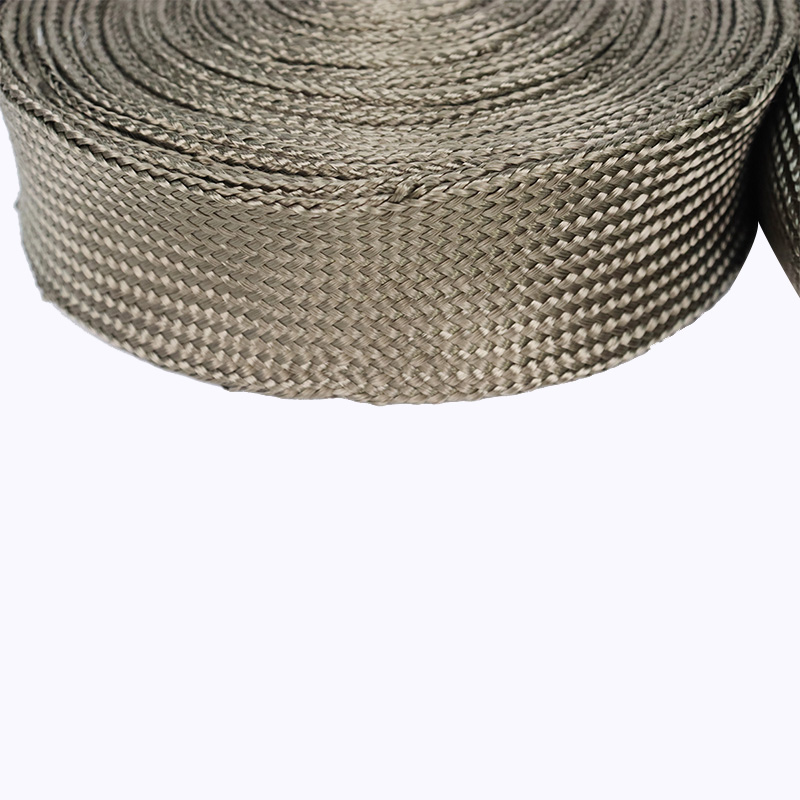
The development of basalt fiber sleeve represents a significant advancement in construction materials, originating directly from volcanic rock. This raw material is melted at extremely high temperatures and then extruded through specialized nozzles to create continuous filaments, which are subsequently woven into a robust sleeve. The resulting product is not a byproduct of other industrial processes but a purpose-engineered material with a unique set of properties. Its inherent characteristics include exceptional tensile strength, which allows it to bear significant loads without elongating or breaking. Furthermore, basalt fiber is chemically inert, providing remarkable resistance to alkaline and saline environments, which are common adversaries in concrete structures. This non-corrosive nature is fundamental to its long-term performance, ensuring that the reinforcing material does not degrade from within, a common failure point in traditional methods.
Application of Basalt Fiber Sleeve in Concrete Reinforcement
In the realm of concrete reinforcement, the basalt fiber sleeve is primarily utilized to confine and strengthen concrete elements, particularly columns and piers. The primary issue it addresses is the corrosion of steel reinforcement, which leads to concrete spalling, cracking, and a subsequent reduction in structural integrity. By applying a basalt fiber sleeve externally around a concrete member and saturating it with a high-strength epoxy resin, a permanent, high-strength composite jacket is formed. This confinement significantly enhances the compressive strength and ductility of the concrete, allowing it to withstand higher axial loads and deformations. The installation process, while requiring surface preparation to ensure a sound bond, is generally faster and requires less heavy machinery compared to traditional steel jacketing methods, minimizing disruption to ongoing operations.
Performance Comparison: Basalt Fiber vs. Traditional Steel
When comparing basalt fiber reinforcement to traditional steel, several distinct differences emerge that influence material selection. In terms of tensile strength, basalt fiber rebar or sleeves can surpass the strength-to-weight ratio of steel, being significantly lighter while providing comparable or superior tensile performance. This weight reduction simplifies transportation and on-site handling. The most pronounced advantage, however, lies in its corrosion resistance. Unlike steel, which requires a protective concrete cover that can be compromised, basalt fiber is immune to electrochemical corrosion, drastically extending the service life of the structure, especially in harsh environments like coastal areas or where de-icing salts are used. Its non-magnetic and non-conductive properties also make it suitable for specialized structures like medical buildings or power plants.
Evaluating the Long-Term Value of Basalt Fiber Sleeves
A thorough cost-benefit analysis of basalt fiber sleeves must look beyond the initial material cost. While the upfront price may be higher than some conventional materials, the long-term economic benefits are substantial. The elimination of future corrosion-related repairs, including the costs of demolition, material replacement, and extended downtime, presents a compelling financial argument. The extended lifecycle of the structure, coupled with reduced maintenance needs, improves the whole-life cost profile of the project. Additionally, the material's high-temperature resistance ensures that it retains its structural properties even in fire scenarios, unlike steel which rapidly loses strength when exposed to high heat, providing an added layer of safety and potentially lowering insurance premiums.
Future Prospects and Expanding Applications
The potential applications for basalt fiber sleeves extend far beyond conventional concrete column strengthening. The construction industry is increasingly exploring its use in seismic retrofitting, where the material's high ductility can help structures absorb and dissipate energy during earthquakes. Its resistance to harsh environmental conditions also makes it ideal for repairing and strengthening critical infrastructure such as bridges, tunnels, and marine piers. From a sustainability perspective, the production of basalt fiber consumes less energy compared to steel and does not produce significant harmful emissions, aligning with the global push for greener construction practices and contributing to more sustainable and resilient urban development.