English
 Español
 عربى
عربى

Content
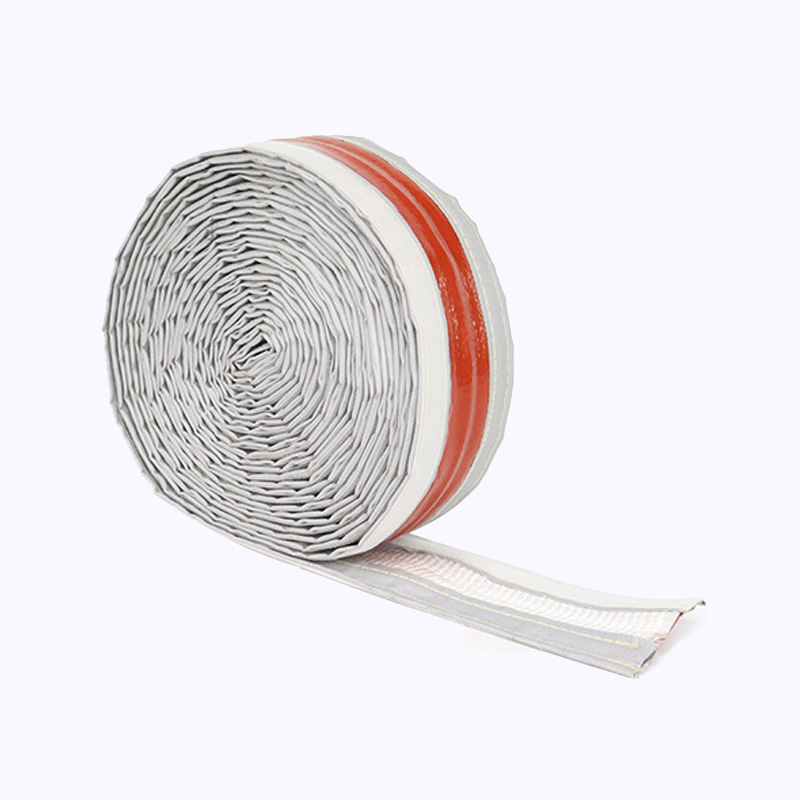
A Custom High Temperature Resistant Sleeve is an essential protective solution designed for industries where high heat exposure can lead to significant equipment wear and safety risks. These sleeves are made from specialized materials capable of withstanding extreme temperatures, ensuring long-lasting protection for cables, machinery, and automotive components in demanding environments.
Understanding Custom High Temperature Resistant Sleeves
These Custom High Temperature Resistant Sleeves are designed to protect critical components from high heat exposure, ensuring longevity and performance even under harsh conditions. The sleeves are commonly made from materials such as silicone rubber, fiberglass, braided aramid fibers, and PTFE, all of which offer exceptional heat resistance and mechanical strength.
What Makes These Sleeves Resistant to High Temperatures?
The materials used in these custom sleeves are engineered to withstand temperatures that would damage conventional materials. For example:
- Silicone Rubber: Known for its ability to handle temperatures up to 550°F (288°C), silicone rubber is commonly used in automotive and electrical applications.
- Fiberglass: Offers excellent thermal insulation and is often used in environments with temperatures exceeding 1000°F (537°C).
- Aramid Fibers (e.g., Kevlar): These materials are extremely heat-resistant and durable, ideal for applications that require both heat and abrasion resistance.
- PTFE (Teflon): Teflon offers exceptional chemical and heat resistance, making it ideal for harsh chemical and industrial applications.
How Do Custom Sleeves Differ from Standard Sleeves?
Custom High Temperature Resistant Sleeves offer several advantages over standard, off-the-shelf options. Customization allows for specific tailoring to fit the unique requirements of an application. Some key differences include:
- Material Choice: Custom sleeves allow for the selection of the best material based on the operational temperature range and environmental conditions.
- Fit and Design: Custom sleeves are designed to perfectly fit the components they are protecting, reducing the risk of wear and ensuring maximum protection.
- Durability: Tailored designs ensure that the sleeves are more durable and resilient, providing long-term protection in the most challenging environments.
Applications of Custom High Temperature Resistant Sleeves
Custom High Temperature Resistant Sleeves are used in a variety of industries where heat exposure is a significant concern. These sleeves protect critical components from heat damage, extending the lifespan of machinery, cables, and automotive parts.
Where Are Custom Sleeves Used in Industrial Settings?
Industries such as manufacturing, oil & gas, and energy rely heavily on Custom High Temperature Resistant Sleeves to protect equipment exposed to high temperatures. Applications include:
- Manufacturing Equipment: Protecting wires and cables in machines that operate at high temperatures, preventing electrical malfunctions and extending equipment lifespan.
- Oil & Gas: Custom sleeves safeguard drilling and refinery equipment that is exposed to extreme heat and chemicals.
- Power Plants: Protecting power transmission cables and components in environments where temperatures can reach upwards of 1000°F (537°C).
Are Custom High Temperature Sleeves Necessary for Automotive Applications?
In the automotive industry, Custom High Temperature Resistant Sleeves play a vital role in protecting components like fuel lines, wiring, and exhaust systems from extreme temperatures. Automotive engines and exhaust systems can exceed temperatures of 1000°F (537°C), making these sleeves an essential component for safety and performance. They help prevent electrical failures and ensure the longevity of the vehicle's components.
Why Are These Sleeves Essential for Electrical Systems?
Electrical systems in high-temperature environments—such as those found in industrial settings or aerospace applications—benefit greatly from Custom High Temperature Resistant Sleeves. These sleeves provide:
- Electrical Insulation: They prevent electrical short circuits and damage to wires caused by high temperatures.
- Durability: They increase the lifespan of cables by protecting them from heat-induced degradation.
- Improved Safety: By ensuring that wires are insulated properly, they reduce the risk of fire hazards and equipment failures.
Choosing the Right Custom High Temperature Resistant Sleeve for Your Needs
Choosing the right sleeve requires careful consideration of several factors to ensure the best protection for your application. Here are some important factors to keep in mind:
How to Select the Best Material for Your Sleeve?
The selection of materials depends on factors such as:
- Temperature Range: Different materials can withstand different levels of heat. Choose a material that exceeds the maximum temperature your equipment will experience.
- Mechanical Properties: Consider abrasion resistance, tensile strength, and flexibility. Materials like aramid fibers provide excellent durability and resistance to wear.
- Chemical Resistance: If your equipment is exposed to chemicals, ensure that the sleeve material is chemically resistant to avoid degradation over time.
What Factors Should You Consider When Customizing Your Sleeve?
Customization allows for tailoring the sleeve to your exact requirements. Consider the following factors:
- Size and Fit: Ensure the sleeve fits snugly over the component it is designed to protect, without slipping off or leaving areas unprotected.
- Thickness: The thickness of the sleeve should be sufficient to provide insulation and protection, but not so thick as to interfere with the equipment's operation.
- Environmental Conditions: Consider factors like moisture, UV exposure, or the presence of corrosive elements when selecting your material and design.
Benefits of Custom High Temperature Resistant Sleeves
There are several key advantages to using Custom High Temperature Resistant Sleeves in industrial and automotive applications. These benefits go beyond just heat protection and contribute to the overall efficiency and safety of the equipment they protect.
What Advantages Do Custom Sleeves Offer Over Off-the-Shelf Solutions?
While off-the-shelf sleeves can provide basic protection, Custom High Temperature Resistant Sleeves offer several advantages:
- Tailored Fit: Custom sleeves are made to fit specific components, ensuring maximum protection and reducing the need for replacements.
- Improved Durability: Custom sleeves are designed to handle the exact stresses, temperatures, and conditions of the application, offering longer-lasting protection.
- Cost-Effectiveness: Although they may have a higher upfront cost, custom sleeves reduce the need for frequent replacements and prevent equipment failure.
How Do Custom Sleeves Improve Equipment Longevity and Performance?
Custom sleeves protect sensitive equipment from high temperatures, wear, and environmental factors. By reducing the risk of overheating, corrosion, or damage to cables and machinery, these sleeves extend the lifespan of equipment and maintain optimal performance, resulting in fewer repairs and operational downtimes.
FAQ
What Materials Are Used for Custom High Temperature Resistant Sleeves?
Common materials include silicone rubber, fiberglass, aramid fibers (like Kevlar), and PTFE. These materials are chosen based on their heat resistance, chemical stability, and mechanical strength, making them ideal for extreme conditions.
Can Custom High Temperature Resistant Sleeves Be Used in Automotive Engines?
Yes, Custom High Temperature Resistant Sleeves are frequently used in automotive engines to protect wires, cables, and hoses from extreme heat. These sleeves help prevent electrical failure, fire hazards, and mechanical damage in engines that operate at high temperatures.
What Is the Maximum Temperature a Custom Sleeve Can Withstand?
Depending on the material used, custom sleeves can withstand temperatures ranging from 500°F (260°C) to 2000°F (1093°C) or higher. It’s important to select the appropriate material based on the specific temperature range required by your application.
How Do I Know Which Size of Sleeve to Choose for My Equipment?
Choosing the right size sleeve involves measuring the diameter of the component it will protect, ensuring a snug fit that offers maximum protection without interfering