English
 Español
 عربى
عربى

Content
In the demanding environments of industrial manufacturing, automotive engineering, and aerospace maintenance, managing thermal energy is not merely a matter of efficiency but a critical safety requirement. Excessive heat buildup can lead to catastrophic equipment failure, degradation of critical components, and significant safety hazards for personnel. This is where High Temperature Insulation Protective Wrapping Tape becomes an indispensable asset. Designed to withstand extreme thermal conditions while providing robust mechanical protection, these specialized tapes serve as the first line of defense against heat transfer. Unlike standard adhesive tapes that may melt, degrade, or lose adhesion when exposed to high temperatures, advanced thermal tapes are engineered from high-performance materials such as fiberglass, silica, and ceramic composites. Whether used to insulate exhaust systems, protect wiring harnesses, or seal industrial furnaces, the application of high-quality insulation tape ensures operational continuity, enhances energy efficiency, and significantly extends the lifespan of expensive machinery.
Material Composition and Performance
The effectiveness of thermal management products is fundamentally rooted in their material composition. When selecting a solution for harsh environments, fiberglass heat shield wrapping tape is often the material of choice due to its exceptional thermal stability and low thermal conductivity. Fiberglass is created from spinning molten glass into ultra-fine fibers, resulting in a textile that can withstand continuous exposure to temperatures as high as 540°C (1000°F) and short-term excursions even higher. This material is inherently non-flammable and does not rot or corrode, making it ideal for long-term installations in industrial settings. Furthermore, the flexibility of fiberglass woven tapes allows them to conform to complex geometries, ensuring comprehensive coverage over pipes, valves, and irregular surfaces without compromising thermal protection.
In addition to fiberglass, the market demands solutions that offer the ultimate protection against fire hazards. Fireproof thermal insulation tape often incorporates advanced coatings or is constructed from high-purity silica or vermiculite materials. These variants are engineered to meet rigorous fire safety standards, providing a fire-resistant barrier that can prevent the spread of flames and protect critical infrastructure during fire incidents. For manufacturers and engineers, the distinction between simple heat resistance and true fireproofing is vital. As a specialized manufacturer in this field, we ensure that our tapes are tested not just for thermal endurance but also for their ability to maintain structural integrity during direct flame exposure.
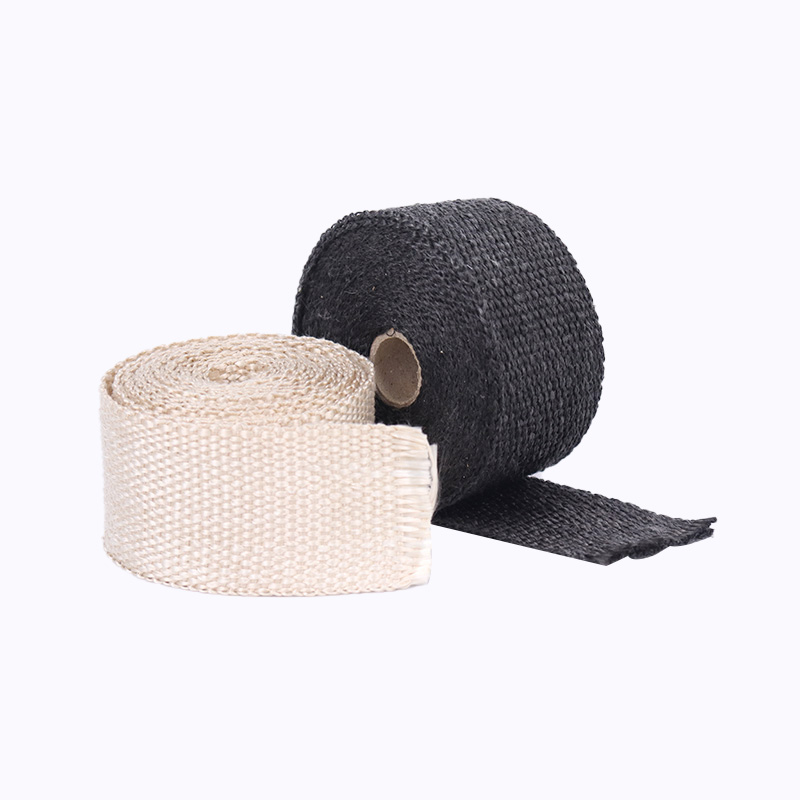
Key Material Characteristics
- Thermal Stability: Resists degradation at continuous high temperatures, typically up to 1000°F or higher depending on the grade.
- Chemical Resistance: Most high-quality tapes are inert and resist attacks from oils, solvents, and most acids.
- Low Thermal Conductivity: Minimizes heat transfer, effectively insulating components and conserving energy.
- Flexibility and Tensile Strength: Withstands vibration and mechanical stress without tearing or unraveling.
To understand the specific advantages of different materials used in high-temperature applications, the following table compares the performance metrics of common insulation tape substrates.
td>td>
| Material Type | Max Continuous Temperature | Chemical Resistance | Best Use Case |
| Fiberglass Tape | 540°C (1000°F) | General insulation, pipe wrapping, ovens | |
| Silica Tape | 1093°C (2000°F) | Excellent (Acid/Alkali resistance) | Welding blankets, high-temp seals |
| Ceramic Fiber Tape | 1260°C (2300°F) | Furnace linings, turbine insulation | |
| Vermiculite Coated | 650°C (1200°F) | Good (Abrasion resistant) | Exhaust systems, fire protection curtains |
Automotive Applications and Efficiency
In the automotive sector, the pursuit of peak performance is intrinsically linked to efficient thermal management. Under the hood, temperatures can soar to extreme levels, particularly near the exhaust system. Wrapping headers and exhaust pipes with high temp header wrap tape is a proven strategy to reduce under-hood temperatures and increase engine efficiency. By containing the heat within the exhaust gases, this tape helps to maintain high exhaust gas velocity. Scavenging improves because hotter gases move faster, which creates a stronger vacuum signal that pulls spent exhaust gases out of the cylinder more effectively. This process can lead to tangible gains in horsepower and torque, while simultaneously preventing the radiant heat from damaging sensitive components like sensors, wiring harnesses, and plastic body panels.
Furthermore, the application of high temperature exhaust pipe wrap tape contributes to driver comfort and safety. By significantly reducing the radiant heat emitted by the exhaust system, the temperature inside the cabin can be lowered, which is particularly beneficial for high-performance vehicles or those with catalytic converters located close to the passenger compartment. Additionally, this wrapping serves as a barrier for accidental contact, protecting mechanics and enthusiasts from severe burns during maintenance or repair work. The durability of these tapes against oil, grease, and road vibration makes them a staple in automotive aftermarket customization and professional racing teams alike.
Performance Benefits in Automotive Use
- Increased Horsepower: Improves exhaust scavenging by maintaining higher gas temperatures and velocity.
- Heat Reduction: Lowers under-hood ambient temperatures, protecting electronic components and fluids.
- Durability: Resists degradation from exposure to road salts, oils, and constant engine vibration.
- Enhanced Aesthetics: Provides a professional, race-ready look to engine bays and exhaust systems.
Comparing wrapped versus unwrapped exhaust systems highlights the significant thermal differences that dictate performance outcomes. The table below illustrates the impact of proper insulation on exhaust temperature management.
td>td>td> td>
| Performance Factor | Unwrapped Exhaust Pipe | Pipe Wrapped with High Temp Tape |
| Exhaust Gas Velocity | Lower (Gases cool down and slow down) | |
| Under-hood Temperature | High (Significant radiant heat) | Reduced by up to 50% |
| Component Longevity | Extended (Heat shield protects nearby parts) | |
| Scavenging Efficiency |
Industrial and Electrical Insulation Solutions
While automotive applications often grab the headlines, the industrial sector relies heavily on specialized thermal management products to ensure safety and reliability. In factories, power plants, and chemical processing facilities, the protection of electrical wiring and hydraulic lines from ambient heat is a critical safety protocol. Thermal resistant insulation tape for automotive applications often finds its parallel in industrial settings where it is used to wrap busbars, cables, and hoses that run near furnaces or steam lines. By creating a thermal barrier, this tape prevents the insulation on wires from melting, which could otherwise lead to short circuits, electrical fires, or costly production downtime.
The versatility of these tapes allows them to be used in conjunction with other insulation materials, such as removable insulation blankets or ceramic fiber blankets. They are often used to secure these larger insulation pieces in place, effectively acting as a high-temperature strap or clamp. This dual functionality—providing both insulation and mechanical fastening—is highly valued in industrial maintenance. As a B2B manufacturer, we understand that our clients require products that not only meet technical specifications but are also easy to install and replace during scheduled maintenance shutdowns. Therefore, our product range includes options with pressure-sensitive adhesives (PSA) rated for high temperatures, as well as self-fusing varieties that bond to themselves without adhesive, ensuring a secure hold even in oily or dirty environments.
Industrial Safety and Maintenance Benefits
- Fire Prevention: Prevents electrical fires by protecting wiring insulation from melting due to heat radiation.
- Personnel Protection: Acts as a burn shield for workers handling hot pipes or valves during operation.
- Energy Conservation: Reduces heat loss from steam and hot water pipes, lowering energy costs.
- Vibration Dampening: The fiberglass or textile construction helps absorb vibration, protecting pipe fittings from fatigue.
To assist procurement officers and engineers in selecting the right product for their specific environment, the following table compares common insulation tape types based on their adhesive properties and ideal industrial applications.
td>td>td>td>
| Tape Type | Adhesive Type | Max Service Temp | Recommended Application |
| Standard Fiberglass Tape | Silicone Rubber Adhesive | 230°C (450°F) | |
| High Temp Fiberglass Tape | Acrylic or High Temp Silicone | 315°C (600°F) | General purpose thermal wrapping and securing |
| Self-Fusing Tape | 260°C (500°F) | ||
| Exhaust Wrap Tape | None (Secured with wire ties or clamps) | 1093°C (2000°F) |
Conclusion
In conclusion, the selection of the correct thermal management solution is a critical decision that impacts the safety, efficiency, and longevity of equipment across various sectors. High Temperature Insulation Protective Wrapping Tape offers a versatile, cost-effective, and highly efficient means of managing heat transfer. Whether utilizing fiberglass heat shield wrapping tape for its chemical inertness, high temp header wrap tape for automotive performance gains, or specialized fireproof thermal insulation tape for safety compliance, the benefits are clear. As a manufacturer dedicated to quality, we provide robust solutions that stand up to the harshest environments, ensuring that our clients' operations remain safe and efficient.
FAQ
What is the maximum temperature resistance of this tape?
The temperature resistance depends heavily on the material composition. Standard fiberglass heat shield wrapping tape typically withstands continuous temperatures up to 540°C (1000°F). However, specialized variants such as high temperature exhaust pipe wrap tape or those made from silica and ceramic fibers can withstand temperatures exceeding 1000°C (1800°F) for short periods. It is essential to check the specific technical data sheet for the grade you are using to ensure it matches your application's thermal requirements.
Can high temperature insulation tape be used on electrical wires?
Yes, provided it is specifically rated for electrical insulation. Many forms of thermal resistant insulation tape for automotive and industrial use are designed to act as a dielectric barrier, protecting electrical components from heat. However, users must verify the dielectric strength (voltage rating) of the tape. While fiberglass is an excellent insulator against heat, it may require specific coatings or adhesives to ensure it does not conduct electricity or allow tracking in high-voltage environments.
How do I install exhaust wrap tape effectively?
To achieve the best results with high temp header wrap tape, start by ensuring the surface is clean and dry. Wrap the tape tightly around the pipe, starting from the exhaust port and working towards the rear of the vehicle, overlapping each turn by approximately 25%. This overlap ensures complete coverage and prevents hot spots. For the best adhesion of the tape fibers, some professionals lightly wet the tape with water during installation; as the water evaporates upon heating, the tape tightens around the header.
Is fireproof thermal insulation tape waterproof?
While the base material, such as fiberglass or silica used in fireproof thermal insulation tape, is inherently resistant to moisture, the adhesive backing may vary. Silicone-based adhesives offer good water resistance but can degrade over time with prolonged exposure to boiling water or steam. For applications involving direct exposure to water or steam, we recommend choosing tapes with high-temperature, water-resistant coatings or using self-fusing tapes that create a watertight seal without relying on a chemical adhesive bond.
What are the safety precautions when handling insulation tape?
Safety is paramount when handling High Temperature Insulation Protective Wrapping Tape. The fiberglass or ceramic fibers can cause skin irritation; therefore, wearing long sleeves, gloves, and safety goggles is highly recommended during installation to prevent fibers from contacting the skin or eyes. It is also advisable to work in a well-ventilated area and to wear a dust mask to avoid inhaling airborne fibers, particularly when cutting or trimming the tape. After installation, wash hands thoroughly with soap and water.