English
 Español
 عربى
عربى

Content
Every exhaust system produces extreme heat, and that heat radiates outward from pipes, turbochargers, and manifolds into the surrounding environment. Without a reliable thermal barrier, it can damage nearby wiring, hoses, and sensors, and it can turn routine maintenance into a safety hazard. That is why the choice of exhaust heat insulation material matters so much. One solution that continues to gain recognition is the basalt fiber knitted sleeve.
A basalt fiber knitted sleeve is a flexible, tubular protective cover manufactured from continuous basalt fibers. Natural volcanic basalt is melted and drawn into fine filaments, which are then knitted into a highly conformable tubular structure. The result is a lightweight yet robust insulation product that protects cables, hoses, and engine components from radiant heat. To understand how this material fits into a complete protection strategy, explore our complete range of high-temperature insulation products.
What Is a Basalt Fiber Knitted Sleeve?
At its core, a basalt fiber knitted sleeve is exactly what its name suggests: a sleeve with a knitted structure, produced from basalt fibers. The manufacturing process starts with natural basalt stone, which is crushed and melted at high temperature. The molten rock is extruded into continuous filaments, spun into yarns, and then knitted into a tube.
Because of the knitted construction, the sleeve stretches and conforms easily around bends, elbows, and irregular shapes, making it particularly suitable for complex exhaust layouts. Compared with stiffer braided or woven sleeving, the knitted structure provides a better balance of softness, coverage, and holding power.
Key Properties at a Glance
- Continuous temperature resistance up to approximately 650°C
- Low thermal conductivity for effective heat insulation
- Naturally non-flammable and does not melt at typical exhaust temperatures
- Excellent resistance to moisture, chemicals, and corrosion
- Flexible and highly conformable knitted structure
- Made from natural volcanic rock, with a low environmental impact
- Minimal fiber irritation compared with many other high-temperature fiber materials
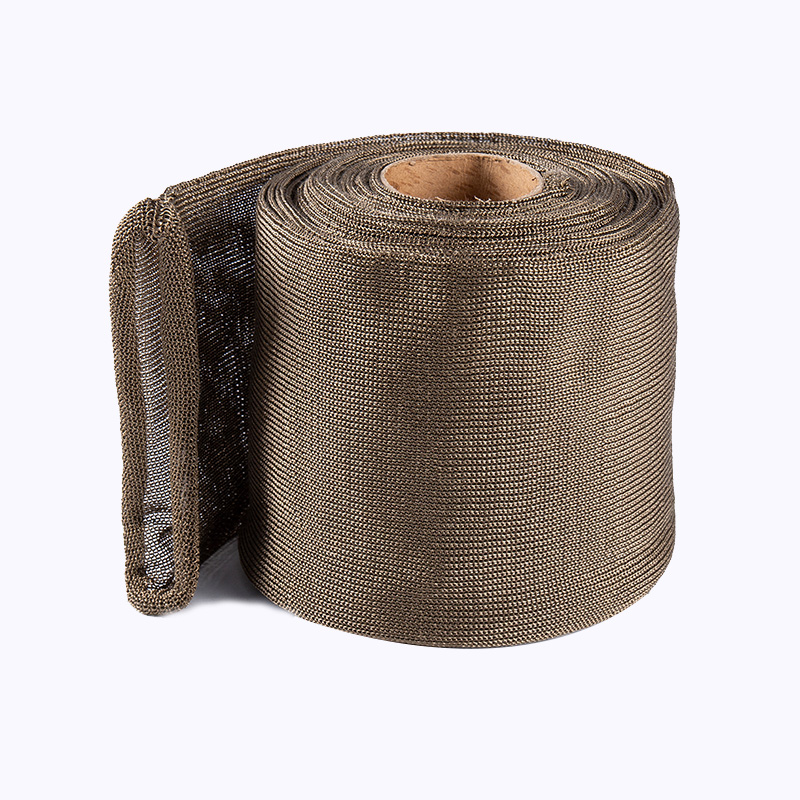 Basalt Fiber Knitted Sleeve for Flexible Thermal ProtectionThis knitted basalt sleeve conforms easily to bends and irregular shapes, making it ideal for complex exhaust layouts. It offers wide temperature resistance and is suitable for aerospace, automotive, and other demanding thermal protection applications.View Product →
Knitted Structure vs Woven or Braided Structure
The knitted loop structure gives the sleeve a softer feel and better draping behavior. When installed correctly, it follows the contour of the protected surface without creating hard stress points, which helps the sleeve stay in place even under engine vibration. Woven and braided versions are stiffer and more abrasion-resistant, but they do not stretch as easily over complex shapes.
Why Exhaust Heat Insulation Matters
Exhaust systems routinely operate well above the temperature limits of most standard polymers. Exhaust gas temperatures can range from 300°C to more than 900°C depending on engine load, and turbocharger housings stay extremely hot long after the engine is switched off.
- 300-900°C Typical exhaust gas temperature range
- 650°C Continuous service limit of basalt fiber
- 1,450°C Approximate melting point of basalt fiber
Without proper insulation, radiant heat can cause serious problems:
- Accelerated aging and failure of nearby wiring and connectors
- Damage to plastic components and rubber hoses
- Higher intake temperatures that reduce engine efficiency
- Increased burn and fire hazards for workers and vehicle operators
- Higher ambient temperatures in engine bays and industrial enclosures
The purpose of exhaust heat insulation is not simply to contain heat. It protects the entire system around the exhaust path.
Why Basalt Fiber Knitted Sleeve Is Superior for Exhaust Heat Insulation
Several materials are available for high-temperature exhaust protection, but the basalt fiber knitted sleeve delivers a combination of properties that is difficult to match. The table below compares it with other common high-temperature sleeving materials.
| Property | Basalt Fiber Knitted Sleeve | Fiberglass Sleeve | Ceramic Fiber Sleeve |
|---|---|---|---|
| Continuous temperature limit | Up to approximately 650°C | Typically 500-600°C | Up to 1,000°C |
| Flexibility | Excellent | Good | Moderate |
| Moisture resistance | Excellent | Moderate | Moderate |
| Fiber irritation | Low | Medium | High |
| Environmental profile | Natural volcanic rock | Glass-based material | Refractory ceramic fibers |
For exhaust heat insulation specifically, the basalt fiber knitted sleeve stands out for several reasons:
- It provides a higher operating margin than standard fiberglass sleeving, which is important when exhaust surfaces become extremely hot.
- The knitted flexibility absorbs vibration and adapts to pipe bends without kinking.
- Its moisture resistance prevents degradation in wet or coastal environments.
- Its natural non-combustibility supports overall fire safety.
Thermal conductivity is another important factor. Basalt fiber has relatively low thermal conductivity, so heat that reaches the sleeve is slowed significantly before it reaches the outside surface. This helps keep engine compartments cooler and reduces the risk of accidental contact burns. In humid environments, the material maintains its performance and structural integrity better than many conventional options. For a closer look at this behavior, see our dedicated analysis of basalt fiber knitted sleeve performance in humid environments.
Common Applications in Exhaust and Engine Systems
Thanks to its balance of thermal performance, flexibility, and durability, the basalt fiber knitted sleeve is used in a wide range of hot-side applications:
- Exhaust downpipes and manifolds
- Turbocharger hot sides and adjacent covers
- EGR pipes and diesel particulate filter connections
- Wiring harnesses routed close to exhaust components
- Fuel, hydraulic, and coolant hoses exposed to radiant heat
- Marine engine rooms and confined exhaust runs
- Industrial generator sets and hot surface protection
In automotive performance and restoration work, the basalt fiber knitted sleeve is often used to protect engine wiring while lowering the heat load around fuel lines and sensors. In industrial facilities, the same sleeve protects cable bundles and hoses that run near furnaces, steam pipes, and exhaust stacks, where heat-related downtime can become expensive.
For straight pipe runs where a spirally wrapped layer is more convenient, a purpose-made exhaust insulating wrap can offer a similar level of protection with a different installation style.
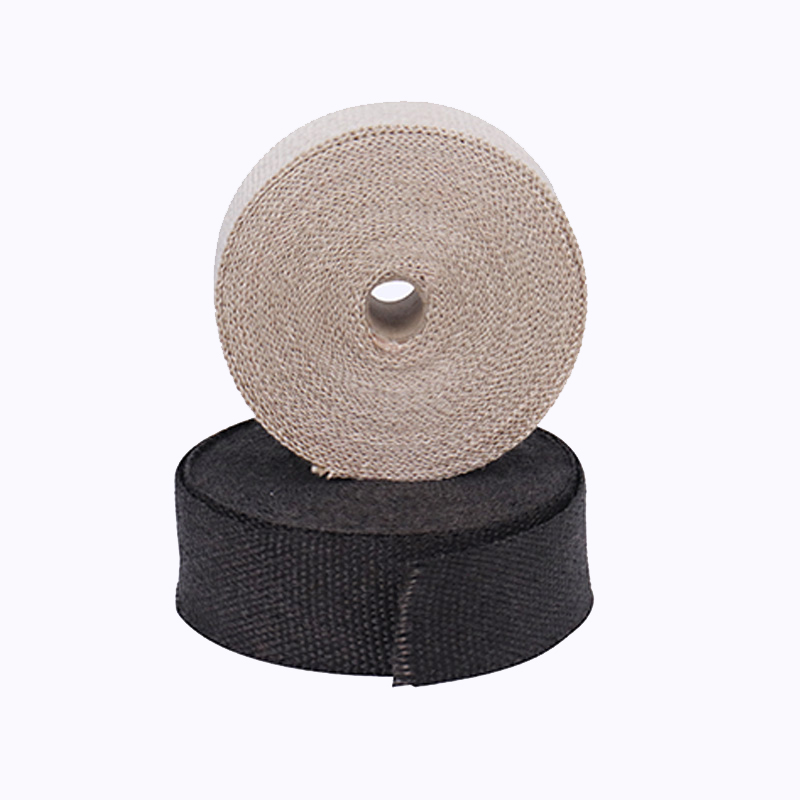 Fiberglass Exhaust Insulating Wrap TapeThis wrap-style tape provides convenient spiral insulation for straight pipe runs and ducts. With continuous 550°C rating and electrical insulation properties, it is a practical alternative to asbestos tape for automotive, marine, and industrial thermal management.View Product →
Reducing heat waste also contributes to lower fuel consumption and better overall thermal management in both highway vehicles and stationary equipment.
How to Choose the Right Basalt Fiber Knitted Sleeve
Selecting the correct sleeve involves more than picking a material. You also need to match the sleeve geometry to the protected pipe, cable, or hose.
| Parameter | Why It Matters | Typical Consideration |
|---|---|---|
| Inner diameter | Must accept the component without damaging it | Measure the widest outer diameter and allow for installation ease |
| Wall thickness | Thicker walls provide more thermal insulation | Use thicker sleeves near intense heat sources |
| Temperature rating | Must exceed the actual surface temperature | Select a 650°C-class basalt sleeve for exhaust applications |
| Sleeve length | Determines how much of the component is covered | Order custom lengths or rolls for continuous runs |
| Additional coating | Aluminum foil or silicone adds radiant heat reflection and abrasion resistance | Use coated versions when mechanical wear is a concern |
If you prefer a wrap-style application for straight pipe sections, a basalt wrap tape is a useful complement to the knitted sleeve family. For non-standard installations, custom inner diameters and cut lengths are available to match the exact component being protected.
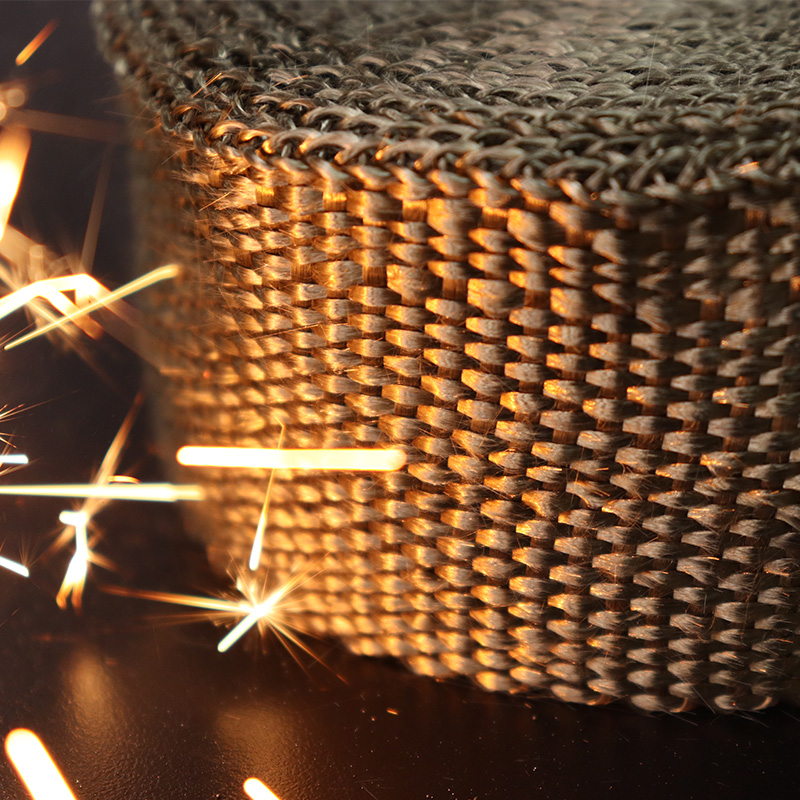 Basalt Wrap Tape for High-Temperature InsulationThis woven basalt tape is suited for wrapping straight pipe sections and offers continuous service at 700°C. It provides thermal, corrosion, and radiation resistance for aviation, railway, and industrial uses, complementing knitted sleeves for complex shapes.View Product →
Frequently Asked Questions
Q1: What temperature can a basalt fiber knitted sleeve withstand?
A basalt fiber knitted sleeve can normally be used continuously at temperatures up to approximately 650°C. Under typical exhaust heat conditions, this provides a wide safety margin. For unusual heat spikes above this range, confirm the exact limit with the manufacturer before installation.
Q2: Can a basalt fiber knitted sleeve be used in wet or humid environments?
Yes. Basalt has excellent moisture resistance and does not absorb water easily, making it a reliable choice for marine engine rooms, coastal installations, and other humid working conditions. This is a key advantage over many conventional high-temperature sleeving products.
Q3: How is a basalt fiber knitted sleeve installed?
The sleeve slips directly over the component. Measure the outer diameter and choose a sleeve with a suitable inner diameter so that it fits snugly without compressing the item. Secure the ends with high-temperature clamps, metal ties, or high-temperature tape where this is needed.
Q4: Does the basalt fiber knitted sleeve provide fire protection?
Yes. Basalt fiber is naturally non-flammable and does not melt or drip at exhaust-level temperatures. The sleeve acts as a barrier against flame and radiant heat, helping to reduce fire risk in engine compartments and industrial equipment.
Choosing the right heat insulation is a critical decision for performance, safety, and equipment life. The basalt fiber knitted sleeve answers the need for reliable exhaust heat insulation with a practical, durable, and environmentally sound material. Whether used on automotive exhausts, marine engines, or industrial hot surfaces, it reduces radiant heat, protects surrounding components, and supports more efficient system operation.
With proven performance at high temperatures, strong flexibility, and excellent moisture resistance, the basalt fiber knitted sleeve is more than just a protective accessory. It is a fundamental part of a modern heat management strategy.